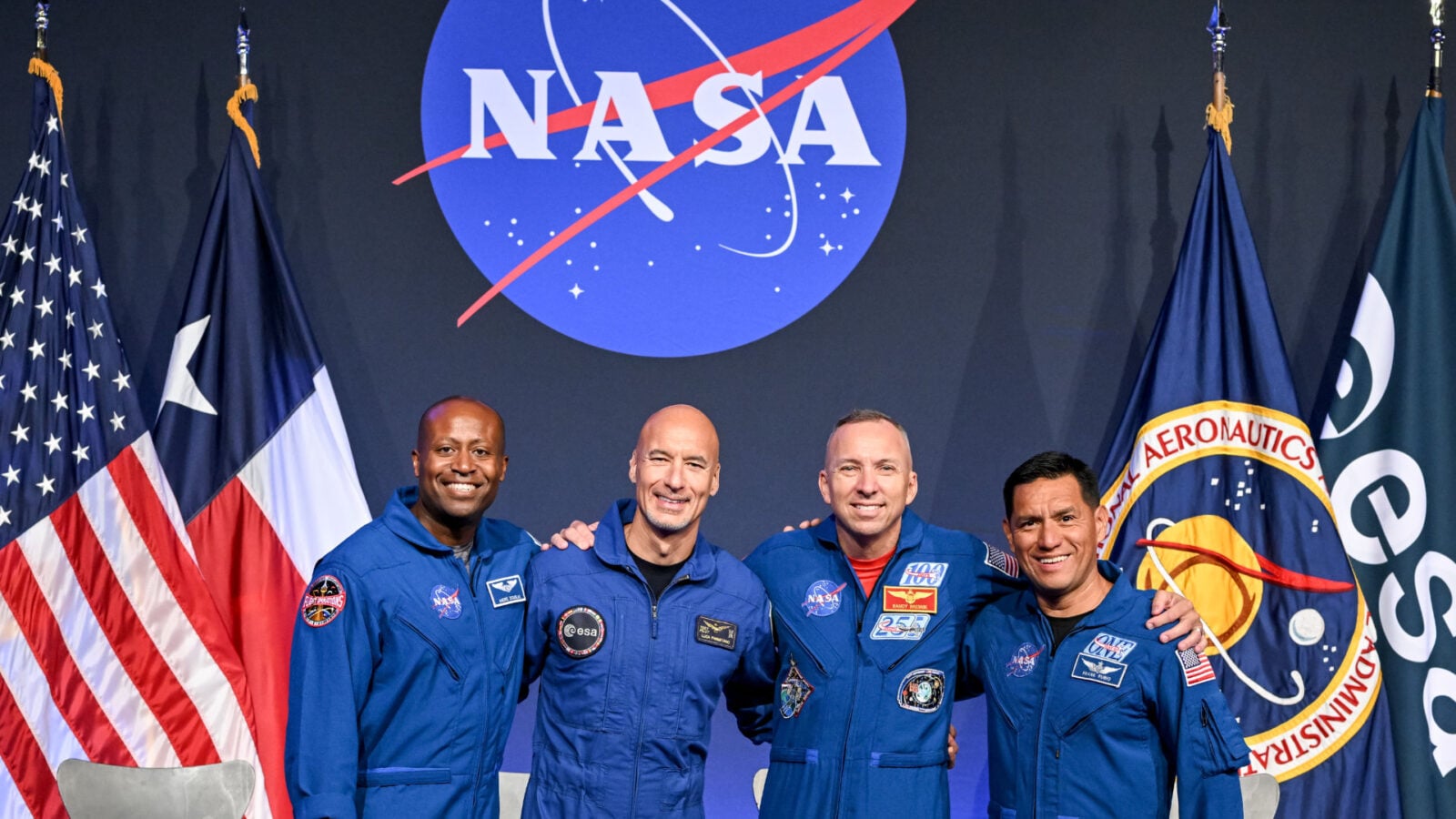
NASA has officially confirmed the four-person crew selected for the Artemis II mission, the first crewed flight to orbit the Moon in over 50 years. While the agency has not yet named the specific crew for the subsequent Artemis III lunar landing, the inclusion of international partners remains a central pillar of the long-term Artemis program strategy. As of mid-2024, NASA continues to work closely with the European Space Agency (ESA) to integrate international astronauts into future lunar surface operations, marking a shift toward a collaborative, multi-national approach to deep space exploration.
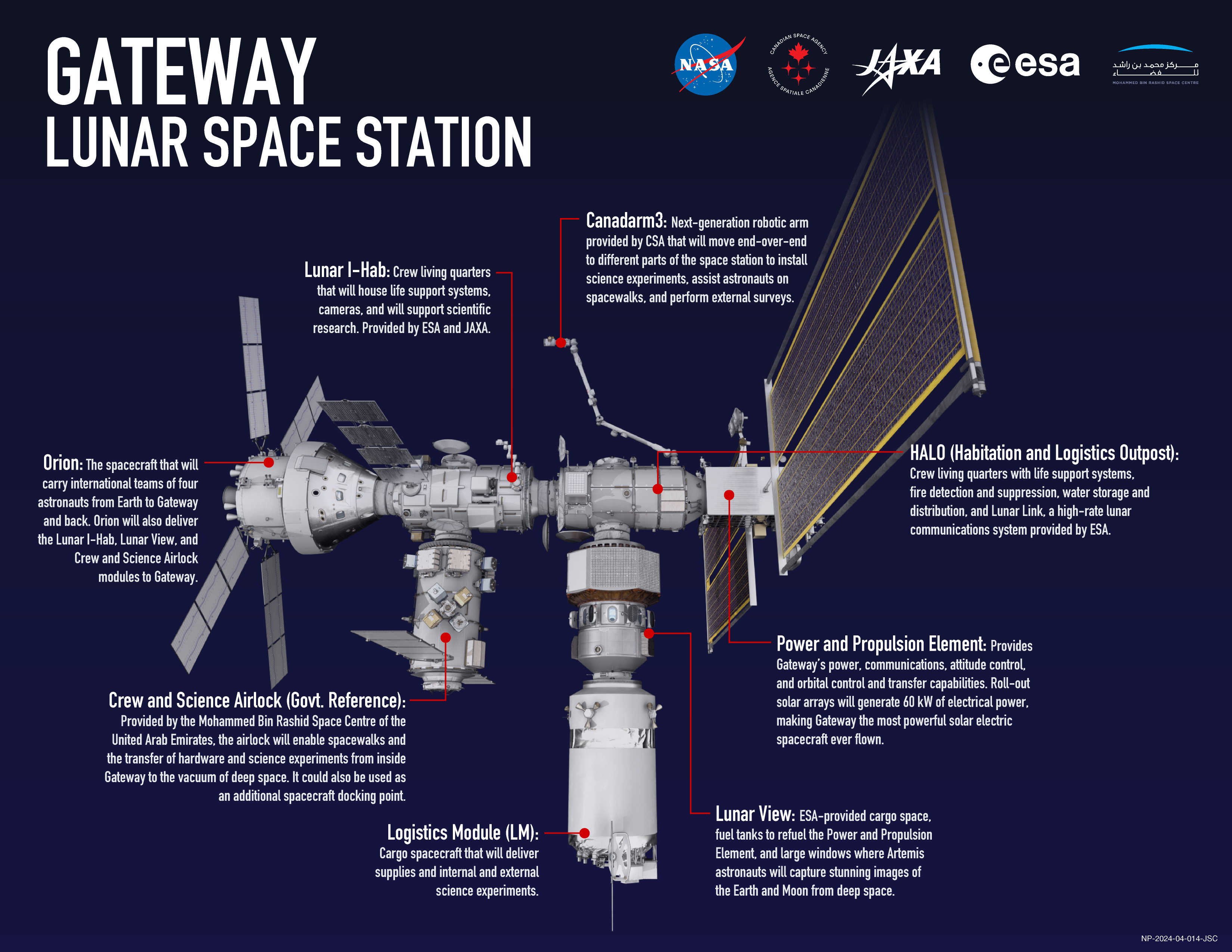
The Artemis program represents a significant evolution from the Apollo era, focusing on the establishment of a sustainable human presence on the Moon. According to official NASA mission documentation, the program is designed to leverage international partnerships to build the Lunar Gateway, a space station that will orbit the Moon and serve as a staging point for surface missions. This multinational framework is governed by the Artemis Accords, a set of non-binding principles for cooperation in the civil exploration and use of the Moon, Mars, and other celestial bodies.
The Path to the Lunar Surface
The Artemis II mission, currently scheduled for launch no earlier than September 2025, will carry astronauts Reid Wiseman, Victor Glover, Christina Koch, and Jeremy Hansen on a flyby of the Moon. This mission serves as a critical test of the Orion spacecraft’s life support and navigation systems with a human crew on board. The delay in the launch schedule, announced by NASA in January 2024, was attributed to the need for additional time to address technical challenges identified during the uncrewed Artemis I flight.

Following the successful completion of Artemis II, the Artemis III mission is tasked with returning humans to the lunar surface for the first time since 1972. NASA has stated that the landing will occur near the lunar South Pole, a region of high scientific interest due to the suspected presence of water ice in permanently shadowed craters. The agency is currently coordinating with SpaceX, which is developing the Starship Human Landing System (HLS) to transport astronauts from the lunar orbit to the surface.
International Collaboration and Future Missions
The question of whether a non-American astronaut will walk on the Moon has been a subject of significant international focus. In recent years, NASA and its international partners have formalized agreements that pave the way for non-U.S. crew members to participate in surface missions. According to a joint statement from the European Space Agency, three flight opportunities to the Lunar Gateway have been secured for European astronauts, with ongoing discussions regarding their potential involvement in future surface operations.
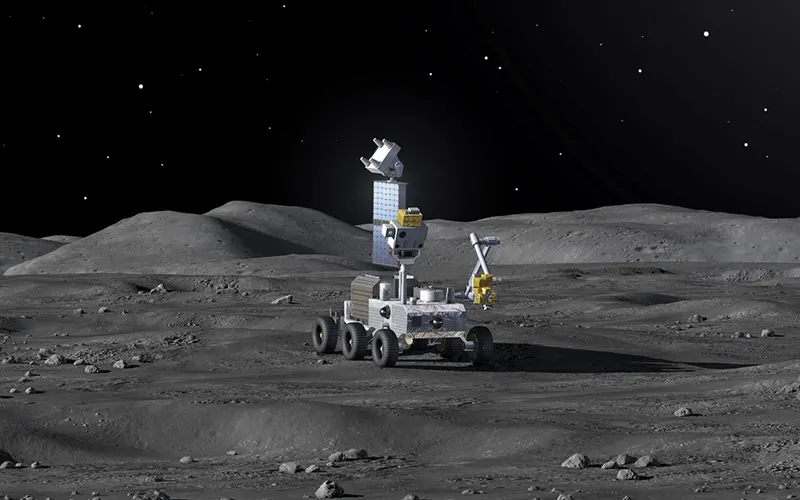
The integration of international crew members is not merely a diplomatic gesture but a technical necessity for the scale of the Artemis program. By distributing the costs and engineering requirements across multiple space agencies—including ESA, the Japan Aerospace Exploration Agency (JAXA), and the Canadian Space Agency (CSA)—NASA aims to ensure the long-term viability of lunar exploration. This collaborative model is intended to mitigate the risks associated with multi-year missions and high-cost infrastructure.
Technical Requirements for Lunar Landing
The complexity of the Artemis III mission involves several critical technical milestones. The Orion spacecraft must rendezvous with the Starship HLS in lunar orbit, a maneuver that requires precise orbital mechanics and communications synchronization. NASA’s mission profile emphasizes that the safety of the crew remains the primary constraint for all flight timelines. Any deviation from the required performance metrics during uncrewed flight tests will necessitate further delays to ensure the integrity of the landing system.
The Artemis III mission is currently targeted for 2026, though this remains subject to the results of the Artemis II flight and the successful development of the Starship HLS. The agency maintains a policy of transparency regarding these milestones, providing updates through its official mission blog and periodic press briefings. Stakeholders and the public are encouraged to monitor these official channels for the most accurate information regarding crew assignments and launch windows.
Frequently Asked Questions
Will a European astronaut walk on the Moon during the Artemis program?
NASA has committed to including international partners in its lunar exploration efforts. While specific crew assignments for the Artemis III landing have not been finalized, agreements with the European Space Agency confirm that European astronauts will participate in missions to the Lunar Gateway, with discussions ongoing regarding surface mission participation.
What is the current status of the Artemis III mission?
Artemis III is currently in development, with a target date of 2026. The mission depends on the successful outcome of the Artemis II flight and the maturation of the SpaceX Starship Human Landing System.
How can I track updates on the Artemis program?
Official updates, including mission schedules and technical reports, are published directly by NASA on their Artemis mission website. The agency provides regular briefings to address changes in timelines and operational goals.
The next major milestone for the program is the Artemis II crewed flight test, which will provide the data necessary to finalize plans for the subsequent landing missions. We will continue to cover these developments as official announcements are made. Please share your thoughts in the comments below or join the conversation on our social media platforms.
Related reading