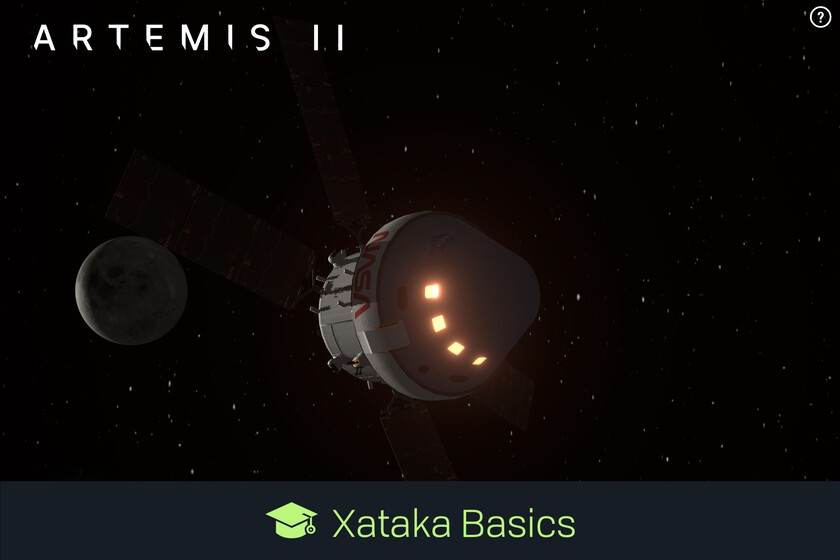
As of today, Tuesday, April 7, 2026, the world is watching a historic unfolding of human ambition in the deep space void. The Artemis II mission, NASA’s first crewed flight of the Artemis program, is currently in the critical stages of its 10-day journey, marking the first time humans have ventured toward the Moon in half a century. For those of us on the ground, the experience is no longer limited to static press releases or delayed telemetry; we are now witnessing the mission through a lens of unprecedented transparency and real-time data.
For the global community, the ability to track Artemis II in real-time has transformed the mission from a distant government operation into a shared human experience. By leveraging a suite of digital tools, including specialized web interfaces and official broadcasts, the public can monitor the Orion spacecraft’s trajectory with a level of precision that mirrors the consumer mapping technology we employ in our daily lives.
This mission is not merely a flyby; it is a rigorous test of the deep space systems required for the long-term return to the Moon and eventual crewed missions to Mars. With a crew of four astronauts aboard, Artemis II is demonstrating the capabilities of the Space Launch System (SLS) rocket and the Orion spacecraft, ensuring that the life-support and navigation systems can sustain humans far beyond Low Earth Orbit (LEO).
Mapping the Void: How to Track the Orion Spacecraft
The most intuitive way for the public to follow the mission’s progress is through NASA’s AROW website. This tool provides a visualization of the space capsule and offers real-time data on the distance between the astronauts, Earth, and the Moon according to recent reports. This “Google Maps for space” approach allows users to see exactly where the crew is in their lunar trajectory, bridging the gap between complex orbital mechanics and public understanding.
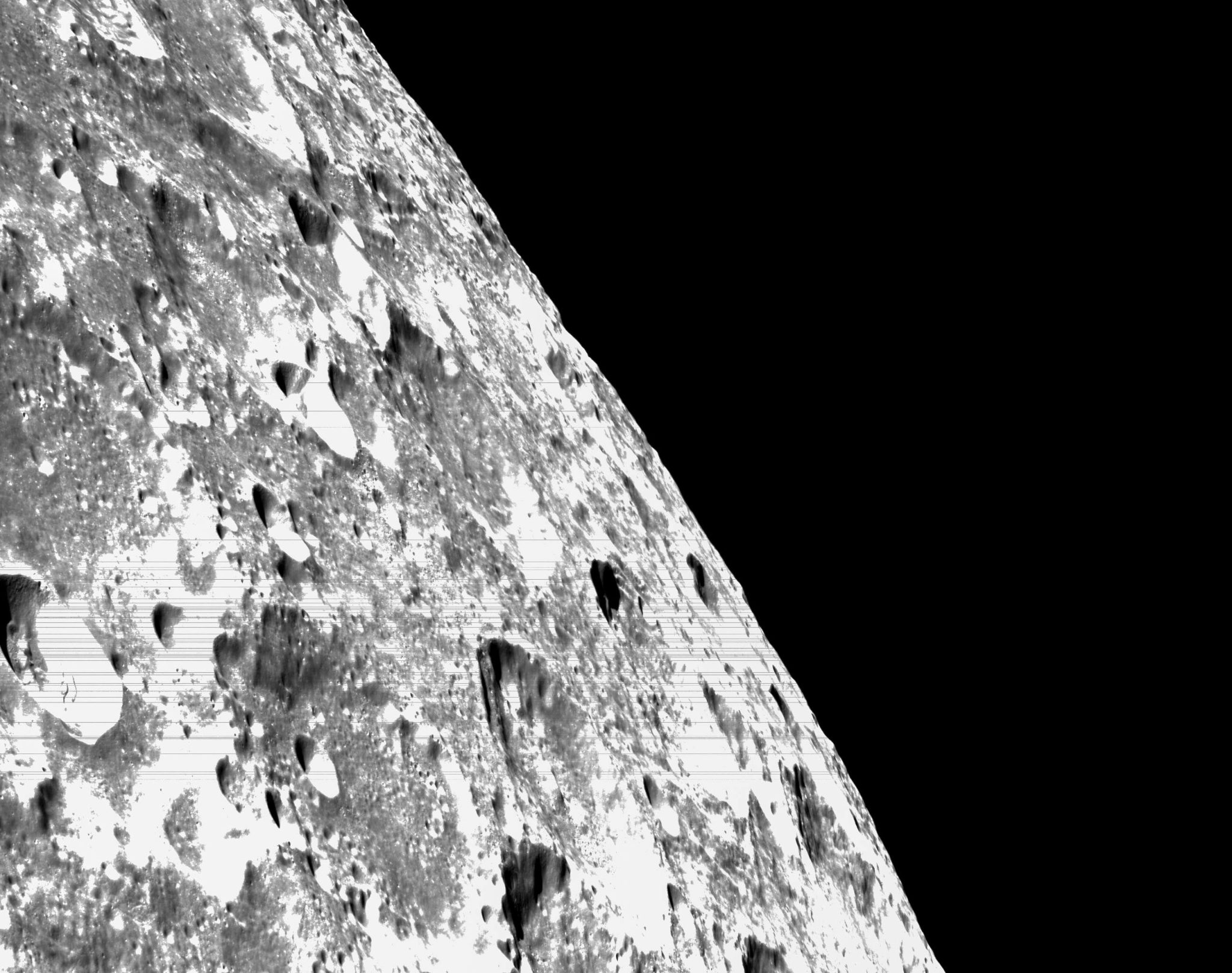
Beyond the AROW visualization, NASA has integrated continuous coverage to keep the global audience engaged. This includes live commentary and technical updates, beginning from the initial tanking of the SLS rocket at the Kennedy Space Center and continuing through the flight’s most critical maneuvers.
Mission Timeline: From Launch to the Lunar Flyby
The journey began on April 1, 2026 when the SLS rocket launched the crew into space. Since then, the mission has adhered to a strict 10-day schedule designed to test every facet of the Orion spacecraft’s endurance. The mission’s architecture is a direct evolution of the uncrewed Artemis I flight conducted in 2022, which paved the way for this crewed milestone.
As the mission progressed into its second week, several key milestones were achieved. On Flight Day 5, the crew successfully completed a critical correction burn to fine-tune their trajectory toward the Moon as documented by NASA. The astronauts utilized this time to conduct suit demonstrations, ensuring that all equipment was functioning correctly before the closest approach to the lunar surface.
By Flight Day 6, the mission reached its crescendo. The crew began wrapping up the historic lunar flyby, during which they eclipsed previous records for the farthest human spaceflight according to official NASA mission updates. This phase of the mission is essential for testing the spacecraft’s ability to handle the radiation and communications challenges of deep space.
Key Mission Parameters
| Parameter | Detail |
|---|---|
| Launch Date | April 1, 2026 |
| Mission Duration | 10 Days |
| Crew Size | 4 Astronauts |
| Spacecraft | Orion |
| Launch Vehicle | Space Launch System (SLS) |
The Engineering Behind the Journey: SLS and Orion
The success of the Artemis II mission rests on two primary pieces of hardware: the Space Launch System (SLS) and the Orion spacecraft. The SLS is NASA’s new heavy-lift rocket, designed specifically to push the massive weight of the Orion capsule and its crew out of Earth’s gravity well and toward the Moon per NASA specifications.
Orion serves as the exploration vehicle, acting as both the crew’s home and their primary shield against the harsh environment of deep space. Unlike the International Space Station (ISS), which orbits relatively close to Earth, Orion is developed to sustain astronauts on missions to the Moon and eventually Mars. Its systems must manage everything from oxygen and water recycling to the intense heat of atmospheric re-entry upon the crew’s return to Earth.
The integration of these systems represents a leap in human deep space capabilities. By testing these in a crewed environment during the Artemis II flyby, NASA is reducing the risks for future missions that will involve landing astronauts on the lunar surface.
Why This Mission Matters for the Future of Exploration
While the immediate goal of Artemis II is a successful lunar flyby, the broader objective is the establishment of a sustainable human presence on the Moon. This represents a strategic stepping stone. The Moon serves as a proving ground where NASA and its international partners can test the technologies and biological adaptations necessary for the far more grueling journey to Mars.
The ability for the global public to track the mission in real-time is not just a PR exercise; it is a democratization of science. When people can see the real-time distance of the Orion capsule and follow the flight days as they happen, it fosters a global sense of ownership and curiosity about our place in the solar system.
As we move toward the end of this 10-day mission, the focus shifts toward the safe return of the four crew members. The data gathered during the correction burns, the suit demos, and the record-breaking distance flight will be analyzed for years to come, informing the design of the landing craft and lunar habitats of the next decade.
The next confirmed checkpoint for the mission is the crew’s return to Earth, following the completion of their 10-day itinerary. NASA will provide updates on the re-entry window and splashdown coordinates via their official channels and the AROW tracking site.
Do you think real-time tracking makes space exploration more engaging? Share your thoughts in the comments below and share this article with other space enthusiasts.
Keep reading