
The horizon of human space exploration is expanding as NASA prepares for the Artemis II mission, a historic endeavor that will send humans back to the vicinity of the Moon for the first time in over five decades. The mission represents a critical step in verifying the capabilities of the Space Launch System (SLS) rocket and the Orion spacecraft to sustain a crew in the harsh environment of deep space.
Central to this effort is the Artemis II crew, a diverse team of four astronauts who will undertake a 10-day journey around the Moon. This mission is designed as a crewed flight test to ensure all spacecraft systems operate as intended before NASA attempts to land humans on the lunar surface in subsequent missions.
The crew consists of three NASA astronauts and one representative from the Canadian Space Agency. Together, they will navigate a path that takes them beyond low-Earth orbit, marking the first time humans have ventured into deep space since the Apollo 17 mission concluded in December 1972 according to Space.com.
As the world watches the preparations in Houston and at the Kennedy Space Center, the focus remains on the rigorous testing and training required to ensure the safety of the crew and the success of the lunar flyby.
Meet the Artemis II Crew: Roles and Expertise
The selection of the Artemis II crew reflects a blend of experienced command, technical piloting, and specialized mission support. Each member brings a unique set of skills necessary to manage the complexities of a deep-space trajectory.
Commander Reid Wiseman leads the mission. A former NASA chief astronaut and U.S. Navy test pilot, Wiseman has previously spent 165 days aboard the International Space Station (ISS) per ABC News. His background includes extensive military experience as a Naval Aviator, having been deployed twice to the Middle East as a fighter pilot.
Pilot Victor Glover serves as the mission’s pilot. A NASA astronaut and U.S. Navy captain, Glover holds the distinction of being the first Black astronaut to live on the ISS for a long-duration assignment, which he achieved during the six-month Crew-1 mission according to ABC News.
The mission likewise includes two mission specialists who will oversee critical systems and scientific objectives:
- Christina Hammock Koch (NASA): Serving as Mission Specialist 1, Koch is a veteran of the ISS and a key part of the NASA contingent.
- Jeremy Hansen (Canadian Space Agency): Serving as Mission Specialist 2, Hansen represents the international partnership essential to the Artemis program according to NASA.
Mission Objectives and the Path to the Lunar Surface
Artemis II is not intended to land on the Moon, but rather to act as a “flight test” of the foundational deep space architecture. The primary goal is to verify that the Orion spacecraft can support human life and operate its critical systems in the actual environment of deep space per NASA.
The crew will travel aboard the Orion spacecraft, which has been named “Integrity.” The mission profile involves a lunar flyby, covering a historic journey of approximately 685,000 miles according to ABC News. By testing these systems with a crew aboard, NASA aims to pave the way for long-term exploration and science on the lunar surface.
The mission utilizes the Space Launch System (SLS), NASA’s most powerful rocket, to propel the Orion capsule out of Earth’s orbit. This synergy of the SLS and Orion is designed to establish the capabilities needed for humans to explore deep space and eventually reach Mars.
Key Mission Specifications
| Detail | Specification |
|---|---|
| Crew Size | 4 Astronauts |
| Mission Duration | 10 Days |
| Spacecraft | Orion (named “Integrity”) |
| Launch Vehicle | Space Launch System (SLS) |
| Primary Goal | Crewed flight test/Lunar flyby |
The Significance of the Artemis Program
The Artemis program is more than a return to the Moon; it is an effort to establish a sustainable human presence on the lunar surface. By conducting the Artemis II flyby, NASA is validating the safety and reliability of the hardware that will be used for future landings.
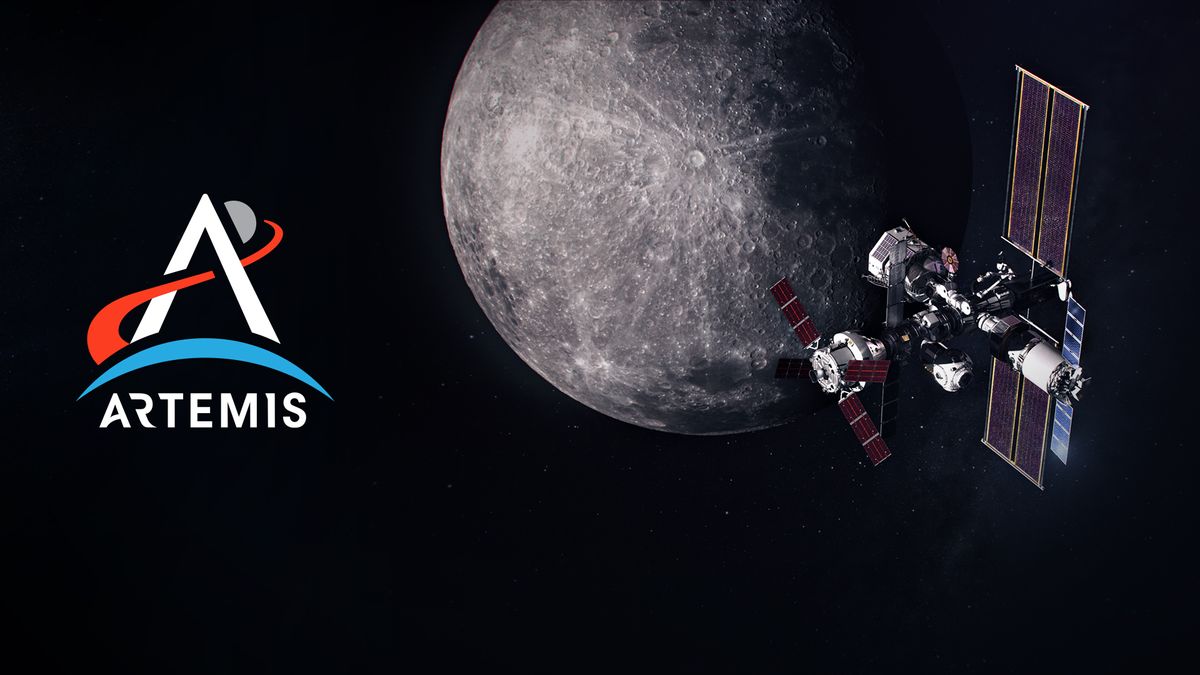
This mission is a global collaboration, exemplified by the inclusion of Jeremy Hansen from the Canadian Space Agency. This partnership underscores the international nature of modern space exploration, moving away from the “space race” mentality of the 20th century toward a model of shared scientific discovery and cooperation according to NASA.
For the astronauts, the mission is a culmination of years of training. On August 8, 2023, the crew was photographed inside the Neil Armstrong Operations and Checkout Building at NASA’s Kennedy Space Center in Florida, standing before the Orion crew module that will carry them into deep space per NASA.
The successful execution of Artemis II will provide the data and confidence necessary to proceed with Artemis III, which intends to return humans to the lunar surface, including the first woman and first person of color to do so.
The next major milestone for the mission involves the final integration and testing phases of the SLS rocket and Orion spacecraft at the Kennedy Space Center. Official updates regarding the specific launch window and final countdown sequences will be provided through NASA’s official communication channels.
We invite our readers to share their thoughts on the return to the Moon in the comments below and share this article to keep the global community informed about the next frontier of human exploration.