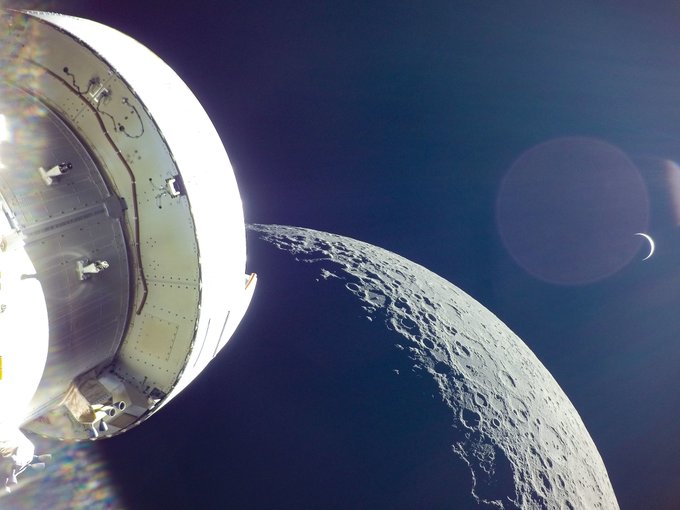
The National Aeronautics and Space Administration (NASA) is recalibrating its ambitious Artemis program, shifting the timeline for crewed lunar landings and prioritizing a more frequent cadence of missions. The changes, announced Friday, aim to address technical challenges and bolster the agency’s workforce, ultimately seeking a sustainable and accelerated path back to the Moon. Whereas the initial goal of landing astronauts on the lunar surface in 2026 has been revised, NASA now anticipates two lunar landing missions in 2028, a move intended to reduce complexity and increase the overall pace of lunar exploration.
The revised plan comes after recent setbacks with the Artemis II mission, currently grounded at Kennedy Space Center due to issues with the Space Launch System (SLS) rocket’s helium pressurization system and a subsequent liquid hydrogen leak. These challenges prompted a reassessment of the program’s trajectory, leading to a decision to prioritize a more incremental approach. NASA Administrator Jared Isaacman explained that the extended timeframe between the uncrewed Artemis I mission (completed in November 2022) and the planned Artemis II crewed flight highlighted the need for a more streamlined process. The agency is now focused on rebuilding its workforce and establishing a launch cadence of approximately every ten months, a significant shift from the previous annual schedule.
Artemis III: A Shift in Focus
Perhaps the most significant change to the Artemis program involves Artemis III, originally slated to be the mission that would return humans to the Moon for the first time since the Apollo 17 mission in 1972. Under the fresh plan, Artemis III, now targeted for 2027, will not land on the lunar surface. Instead, it will serve as an orbital mission, circling the Earth as a crucial test flight before attempting a landing. This decision allows NASA to validate the integrated systems and procedures necessary for a successful lunar landing without the immediate pressure of a surface mission. The delay and change in scope for Artemis III reflect a pragmatic approach to risk mitigation and a commitment to ensuring astronaut safety.
The agency is now aiming for Artemis IV to achieve the long-awaited lunar landing in early 2028, followed by Artemis V later that same year. This accelerated schedule, while ambitious, is predicated on the successful resolution of the current issues with Artemis II and the strengthening of NASA’s internal capabilities. Amit Kshatriya, NASA’s associate administrator, emphasized that these changes are designed to maintain the program’s overall timeline while creating conditions for increased safety and reduced costs. The goal is to establish a more stable and realistic pathway toward achieving the program’s long-term objectives.
Addressing Technical Hurdles and Workforce Needs
The delays experienced with Artemis II underscore the inherent complexities of spaceflight and the importance of rigorous testing and quality control. The issues with the SLS rocket’s helium system and the hydrogen leak are not isolated incidents; similar problems were encountered during the Artemis I mission. Addressing these recurring technical challenges is a top priority for NASA, and the agency is investing in upgrades to its infrastructure and processes. The rollback of the Artemis II rocket to the Vehicle Assembly Building at Kennedy Space Center, as reported on February 25, 2026, is a testament to NASA’s commitment to thoroughness and safety. NASA’s Artemis program page provides ongoing updates on the mission’s progress.
Beyond the technical hurdles, NASA recognizes the critical need to rebuild and strengthen its workforce. Isaacman stressed that a skilled and dedicated team is essential for achieving the agency’s ambitious goals. The revised launch cadence, with missions occurring every ten months, necessitates a robust workforce capable of handling the increased workload. This includes not only engineers and scientists but also technicians, mission controllers, and support staff. Investing in training and recruitment is a key component of NASA’s strategy to ensure the long-term success of the Artemis program.
The Broader Context: Lunar Exploration and Beyond
The Artemis program represents a significant investment in lunar exploration, with the ultimate goal of establishing a sustainable human presence on the Moon and using it as a stepping stone for future missions to Mars. The Moon is viewed as a valuable scientific resource, holding clues to the evolution of Earth, the planets, and the Sun. Through Artemis, NASA aims to address high-priority science questions, focusing on areas best accomplished by on-site human explorers and robotic systems. The program also seeks to foster economic benefits and inspire a new generation of explorers. As NASA details, Artemis is not simply about returning to the Moon; it’s about building a foundation for the future of space exploration.
The shift in the Artemis schedule reflects a broader trend in space exploration, with both government agencies and private companies reassessing their strategies and timelines. The challenges encountered with Artemis II serve as a reminder that spaceflight is inherently risky and that meticulous planning and execution are paramount. However, the agency’s commitment to addressing these challenges and its willingness to adapt its plans demonstrate a determination to achieve its goals. The changes also echo a more pragmatic approach reminiscent of the Apollo missions, prioritizing a steady and methodical progression toward lunar exploration.
Looking Ahead: Artemis II and Beyond
Despite the recent setbacks, NASA remains focused on launching Artemis II as soon as possible, with a target launch window in early April. Lori Glaze, NASA’s associate administrator, emphasized that the agency is working diligently to maximize the probability of a successful launch. The Artemis II mission will carry four astronauts on a flight around the Moon, testing the Orion spacecraft’s life support systems and validating the procedures for future lunar landings. This mission is a critical step in preparing for the more ambitious Artemis III and IV missions.
The success of the Artemis program hinges on continued innovation, collaboration, and a commitment to safety. The revised schedule and the focus on workforce development are positive steps toward achieving these goals. As NASA moves forward, it will continue to face challenges, but its unwavering dedication to exploring the cosmos will undoubtedly inspire and benefit humanity for generations to come. The agency’s long-term vision extends beyond the Moon, with plans to use the knowledge and experience gained through Artemis to prepare for crewed missions to Mars. This ambitious undertaking represents a bold new chapter in the history of space exploration.
The next key checkpoint for the Artemis program is the continued preparation for the Artemis II launch, with NASA aiming for a firm launch date announcement in the coming weeks. Stay tuned to www.world-today-journal.com for ongoing coverage of the Artemis program and the latest developments in space exploration. We encourage you to share your thoughts and questions in the comments below.