A NASA-funded study shows Mars cannot be terraformed with present-day technology, leaving human survival dependent on sealed, radiation-shielded habitats. Meanwhile, failed private ventures like Mars One highlight the extreme physical and psychological toll of long-term off-world colonisation efforts.
The vision of humanity as a multi-planetary species remains a permanent fixture of billionaire ambitions and government roadmaps. Yet the physical reality of the solar system’s most frequently cited second home presents stark engineering and biological hurdles. Living on Mars would require sealing inhabitants against a near-vacuum, deep cold, and steady radiation, according to a NASA-funded study examining planetary livability.
Atmospheric Pressures and Surface Realities
The hostile nature of the red planet starts with its air. NASA’s summary of the planet shows an atmosphere composed of about 95 per cent carbon dioxide, with surface pressure averaging less than one per cent of Earth’s sea-level pressure. That environment sits close enough to a vacuum that water boils at normal human body temperature.
An unprotected visitor would not simply suffocate slowly. Without a pressurised suit, human blood and tissues would turn to vapour. Beyond the atmospheric vacuum, the average temperature hovers around minus 60 degrees Celsius, while gravity reaches roughly 38 per cent of Earth’s pull. A lack of a global magnetic field and a thin atmosphere allow radiation to reach the surface unchecked. Measurements from NASA’s Curiosity rover recorded a surface dose of approximately 0.7 millisieverts per day, far exceeding typical exposure on Earth.
The Limits of Present-Day Terraforming Technology
The concept of terraforming—thickening the atmosphere to warm the planet and trap liquid water—offers a science-fiction solution to these environmental hazards. However, a study published in Nature Astronomy by Bruce Jakosky and Christopher Edwards poured cold water on that optimism. By analyzing two decades of spacecraft data, the researchers calculated that releasing every accessible source of carbon dioxide on the planet would raise atmospheric pressure to only about 7 per cent of Earth’s.
That amount falls far short of what is required to warm the planet meaningfully, and much of the gas remains locked in forms that human technology cannot readily mobilize. Terraforming Mars is not possible with present-day technology, the researchers concluded. Consequently, any near-term human presence relies entirely on engineered habitats, such as underground bunkers or structures shielded by layers of Martian soil.
Lessons from the Failed Mars One Venture
While researchers study atmospheric limitations, commercial ventures have repeatedly underestimated the human and financial cost of deep-space travel. In 2012, Mars One launched an ambitious plan to send four astronauts on a one-way mission to establish a self-sustaining settlement, financed largely by broadcasting the training and mission as a reality television program.
Despite attracting many expressions of interest and narrowing the field to 3,000 formal applicants and 100 finalists, the project struggled to secure stable revenue. An Indiegogo fundraising page failed to reach its $400,000 target, and no major television broadcast deals materialized. The company filed for bankruptcy in 2019, ending the hopes of finalists who had rearranged their lives for a permanent departure from Earth.
Unresolved Biological and Psychological Unknowns
Beyond funding failures and harsh surface conditions, scientists note that basic human physiological responses to Martian environments remain untested. While space agencies possess decades of data on normal gravity and zero-gravity orbit, there is essentially nothing known about intermediate conditions. Whether humans can maintain long-term health or raise children under 38 per cent gravity is an open question.
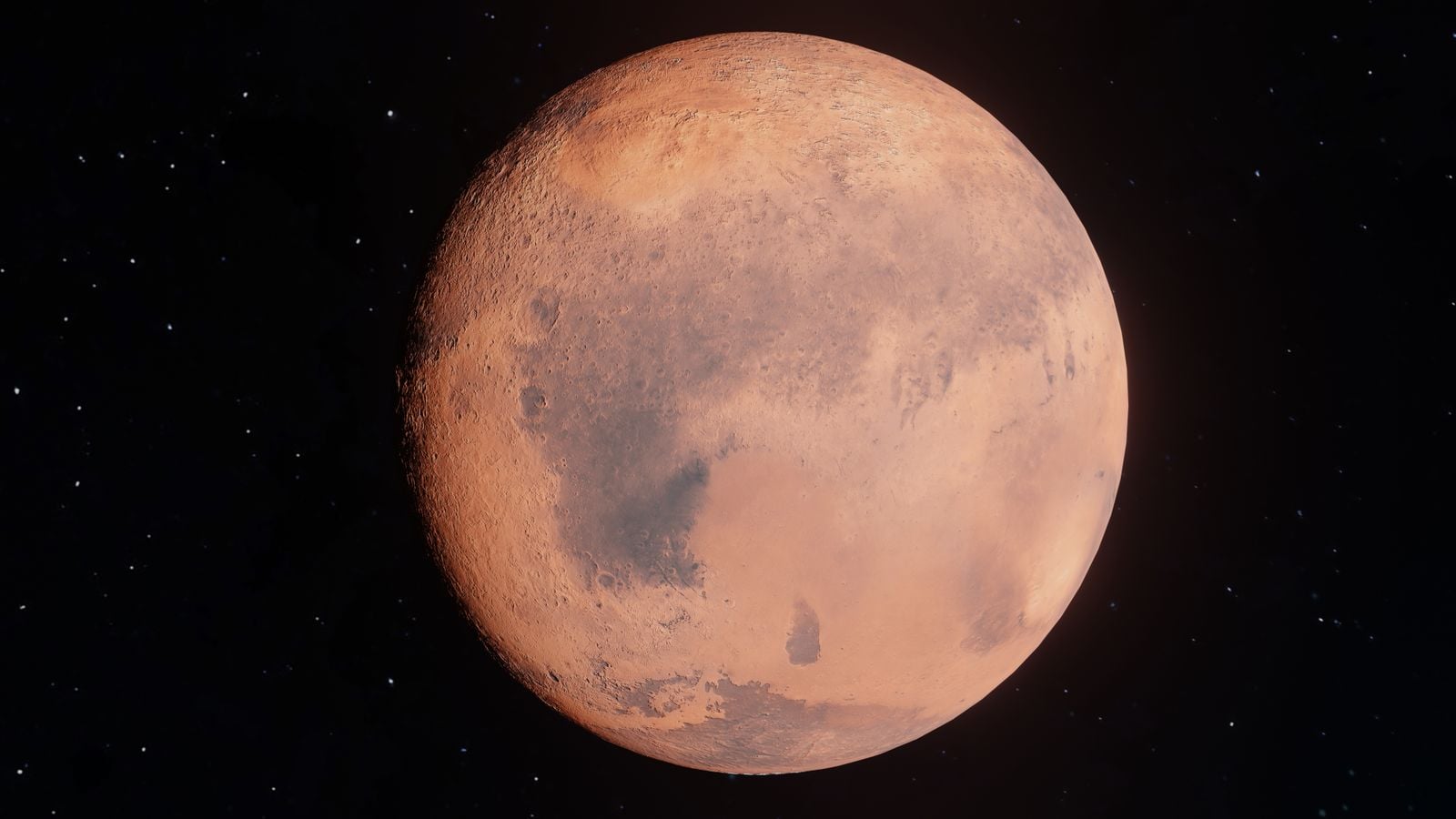
Long-term radiation exposure, the psychological toll of isolation in a sealed base, and the management of toxic perchlorates laced through Martian soil present additional hurdles. While NASA’s Perseverance rover has successfully demonstrated small-scale oxygen generation from thin carbon dioxide air, long-term survival on the red planet remains bound to technological life support rather than planetary transformation.
Keep reading