NASA Safety Panel Urges Swift Mishap Declaration for Enhanced Spaceflight Safety
The recent recommendations from NASA’s independent safety panel highlight a critical need for a more decisive and transparent approach to identifying and addressing potential risks in spaceflight. A core issue centers on the timely declaration of “mishaps” and “close calls” – events that, if handled proactively, can significantly bolster crew and spacecraft safety. This article delves into the panel’s findings, the implications for NASA’s procedures, and why a swift response is paramount in the complex world of space exploration.
Why is a formal mishap declaration so critically important?
A formal declaration immediately triggers an independent inquiry, separate from the teams directly involved. Retired Air Force Lt. Gen.Susan Helms, chair of the safety panel, emphasizes this independence as a “top best practice” in safety investigations.This unbiased review is crucial for identifying root causes and preventing recurrence.
How does delaying a declaration impact the investigation process?
Delaying a mishap declaration hinders the speed and effectiveness of the investigative team. Mark Sirangelo, a panel member, explains that a prompt declaration allows for quicker team formation and faster results, benefiting everyone involved. Essentially, time lost in recognition is time lost in resolution.
What specific case highlighted the need for clearer mishap reporting protocols?
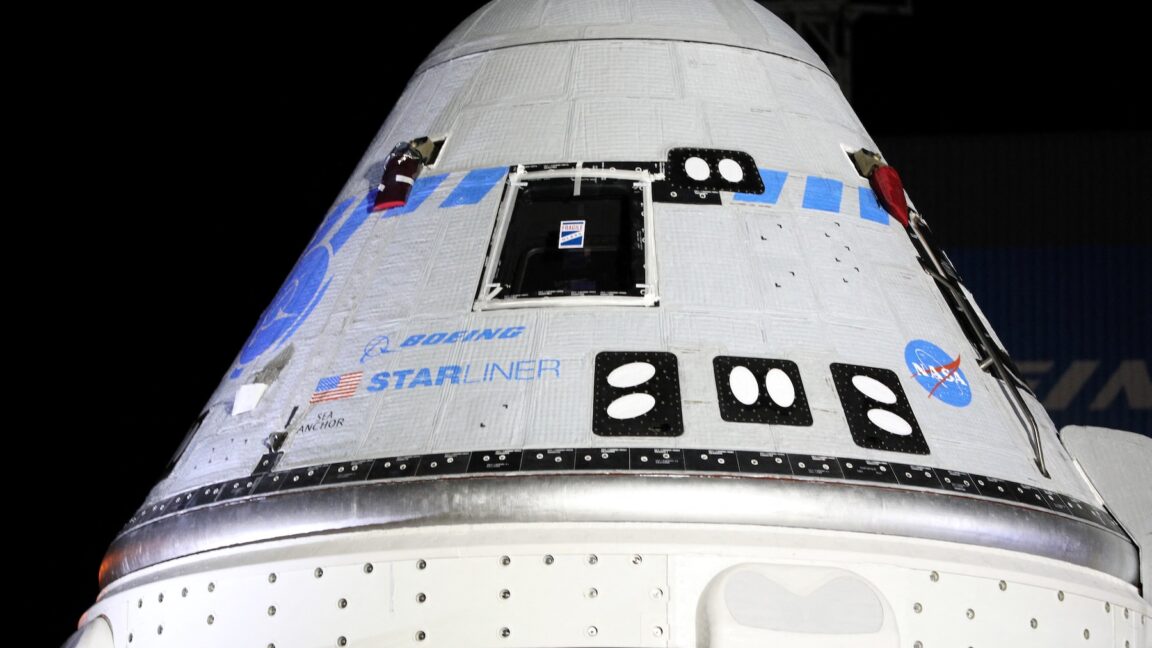
The 2024 Starliner test flight served as a stark example of the confusion arising from a delayed declaration. NASA’s initial reluctance to classify the in-flight issues as a mishap or close call created ambiguity within the agency and possibly impacted the workforce.
What was the core philosophical disagreement regarding the Starliner mission’s approach to safety?
A key point of contention revolved around two contrasting philosophies.One focused on proving Starliner safe for return, while the other prioritized a “no-go for return” stance unless definitive solutions were found for the on-orbit failures. Former NASA safety advisor, John precourt, argues the latter approach – prioritizing option return vehicles like Dragon or Soyuz – would have been more appropriate.
how did the ambiguity surrounding Starliner’s safety affect the teams involved?
The prolonged uncertainty surrounding Starliner’s propulsion issues undoubtedly affected the engineers and managers working to resolve them. The ambiguity created a challenging habitat and potentially diverted resources from more effective solutions. Ultimately, NASA opted to return the spacecraft without the astronauts, landing it safely in New Mexico after months of testing.
What specific changes is the safety panel recommending to NASA’s procedures?
The panel recommends a thorough review of NASA’s criteria and processes for declaring in-flight mishaps and close calls. the goal is to ensure the language is “unambiguous” and mandates a declaration for any event involving NASA personnel that impacts crew or spacecraft safety. This proactive approach aims to prevent future confusion and prioritize safety above all else.
Looking ahead, what is planned for the next Starliner mission?
NASA’s next starliner mission will be a cargo-only flight to the International Space Station (ISS). This decision reflects the need to thoroughly validate the spacecraft’s systems before risking another crewed mission, demonstrating a commitment to a cautious and safety-focused approach.