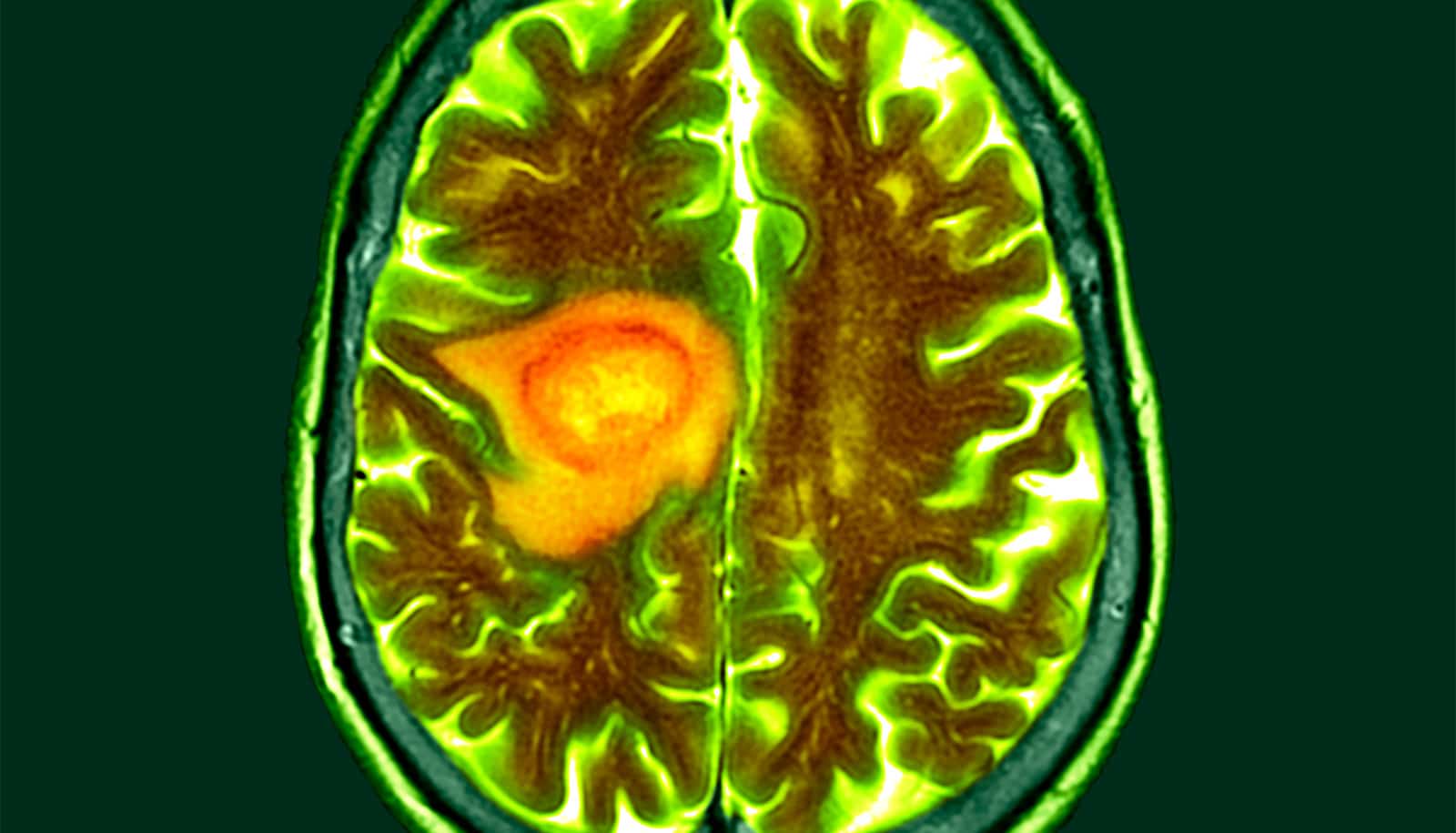
Nasal Delivery of Novel Nanoparticles Shows Promise in Combating Glioblastoma,a Deadly Brain Cancer
Glioblastoma,an aggressive and devastating form of brain cancer,has long presented a formidable challenge to medical science. Current treatments often fall short, highlighting teh urgent need for innovative therapeutic strategies. Recent research from a collaborative team at Washington University in St. Louis and Northwestern University offers a beacon of hope: a non-invasive nasal delivery system for nanoscale therapeutics that significantly boosts immune response within glioblastoma tumors, leading to remarkable tumor eradication in preclinical models.
This groundbreaking work, led by Alexander Stegh, PhD, and in collaboration with renowned nanotechnology expert chad A. Mirkin, PhD, represents a paradigm shift in how we approach brain cancer treatment. The research, published and detailed in reports from Washington University in St. louis, leverages the power of spherical nucleic acids (SNAs) – a revolutionary class of nanostructures invented by Dr. Mirkin. SNAs consist of densely packed DNA or RNA arranged around a nanoparticle core, demonstrating superior therapeutic potential compared to conventional drug delivery methods.
The Challenge of Reaching the Brain & activating Immunity
One of the biggest hurdles in treating brain cancers is effectively delivering therapies across the blood-brain barrier. While intranasal delivery has been explored as a potential route, no nanoscale therapies had previously been developed to specifically activate an immune response against these tumors. this research directly addresses that gap.
The team engineered a new generation of SNAs featuring gold cores adorned with short DNA sequences designed to activate the STING (Stimulator of Interferon Genes) pathway. This pathway is a crucial component of the innate immune system, triggering an anti-tumor response when activated. Crucially, the researchers opted for a non-invasive delivery method: nasal drops.
Precision Targeting & Immune activation Confirmed
The study meticulously demonstrated the efficacy and precision of this approach.Using a molecular tag visible under near-infrared light, the researchers tracked the SNAs’ journey after intranasal administration in mice with glioblastoma. The nanomedicine followed the path of the facial nerve, directly reaching the brain.
Importantly, the immune response wasn’t systemic. Instead, it was highly concentrated within the tumor itself and associated lymph nodes, minimizing the risk of off-target effects. Detailed examinations confirmed successful activation of the STING pathway and subsequent arming of the immune system to attack the cancerous cells.
Synergistic Effects & Long-Term Immunity
The true power of this therapy emerged when combined with drugs designed to activate T lymphocytes,another vital component of the immune system. This combination resulted in complete tumor eradication in many cases, with just one or two doses, and induced long-term immunity, preventing tumor recurrence. These results significantly outperform current STING-activating immunotherapies.
A Multi-Pronged Approach is Key
Dr. Stegh emphasizes that activating the STING pathway alone isn’t a silver bullet. Glioblastoma is notoriously adept at suppressing the immune response. Thus, his team is actively working to enhance their nanostructure to simultaneously activate multiple immune pathways, creating a more robust and resilient therapeutic effect. “This could allow physicians to double or triple the therapeutic targets all in a single therapy,” he explains.
Looking Ahead: Towards Clinical Application
This research represents a significant step forward in the fight against glioblastoma and possibly other immune treatment-resistant cancers. The non-invasive delivery method, precise targeting, and potent immune activation offer a safer and more effective treatment option.
“This is an approach that offers hope for safer, more effective treatments for glioblastoma and potentially other immune treatment-resistant cancers, and it marks a critical step toward clinical application,” states Dr. Stegh.
Funding & Disclosure:
This research was supported by grants from the National Cancer Institute of the NIH, the Melanoma Research Foundation, the Chicago Cancer Baseball Charities at the Lurie Cancer Center of Northwestern University, and industry partners cellularity, Alnylam, and AbbVie. Imaging support was provided by NIH instrumentation grants and a National Cancer Institute Cancer Center grant.
It is indeed significant to note that Alexander Stegh is a shareholder of Exicure Inc., a company developing SNA therapeutic platforms, and Chad A. Mirkin is a shareholder in Flashpoint, which develops SNA-based therapeutics. both are co-inventors on a patent related to SNA nanoconjugates for crossing the blood-brain barrier. This disclosure underscores the researchers’ deep involvement and expertise in the field.
Source: [https://source.washu.edu/2025/11/nasal-drops-fight-brain-tumors-noninvasively/](https://source.washu.edu/202