
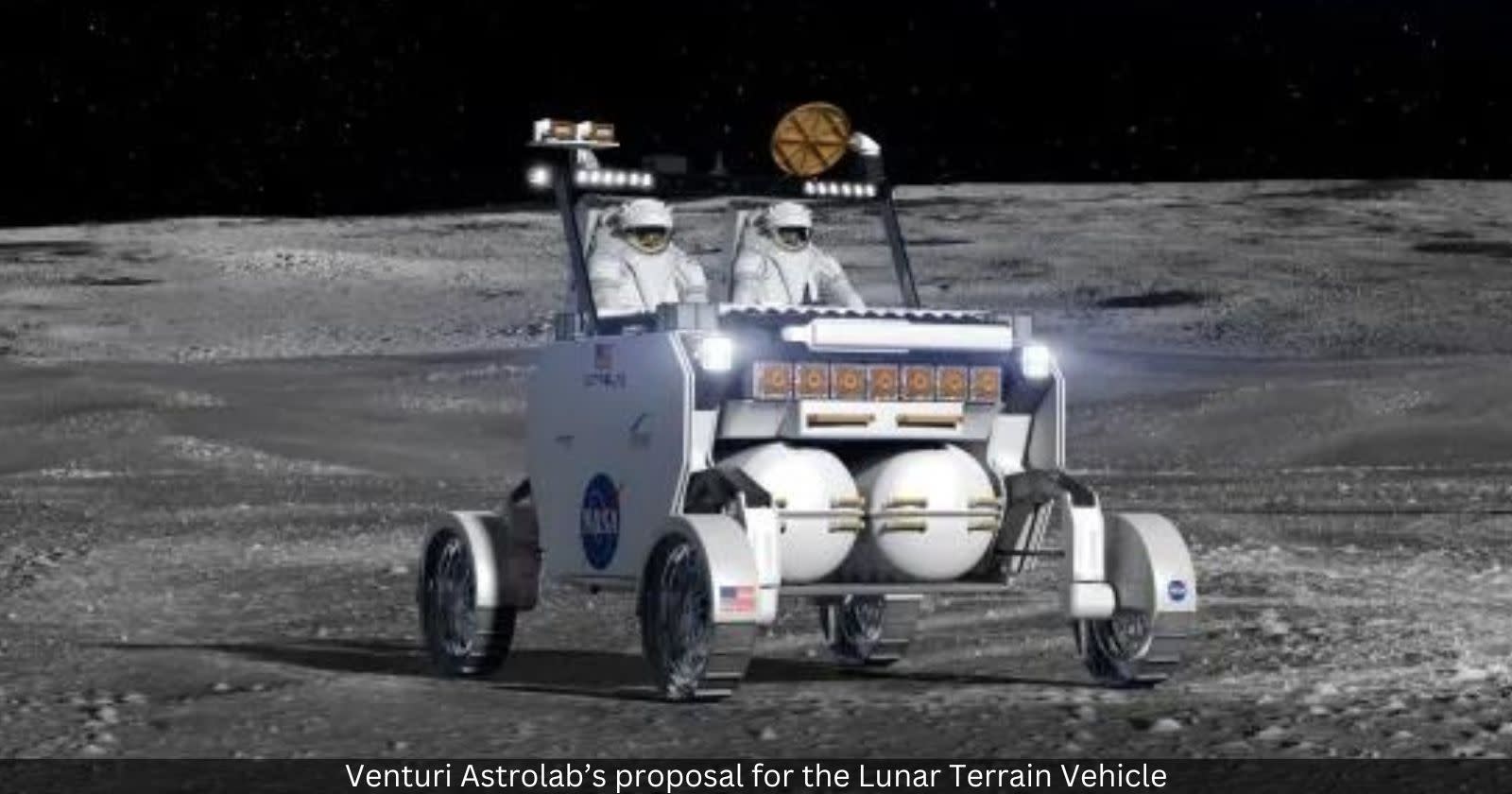
As NASA accelerates its efforts to establish a sustained human presence on the lunar surface, the agency has officially selected Venturi Astrolab to provide a crewed lunar rover for the Artemis program. This strategic move aims to enhance surface mobility for astronauts as they explore the lunar south pole, marking a significant step in the evolution of space exploration logistics.
The selection of the Crewed Lunar Vehicle, or CLV-1, follows a shift in the agency’s procurement strategy. Under the Ignition initiative, NASA revised its approach to lunar surface mobility, prioritizing industry-led solutions capable of delivering hardware on an accelerated timeline. By tapping into the expertise of private sector partners, the agency aims to ensure that future Artemis crews have the transportation necessary to conduct complex scientific operations across the Moon’s rugged terrain.
Engineering the CLV-1: Designed for the Lunar Frontier
The CLV-1 represents an evolution of the existing FLEX rover architecture, specifically adapted to meet the rigorous demands of human spaceflight. Unlike previous robotic iterations designed for external payload transport, the CLV-1 is engineered primarily for the transport of astronauts and essential supplies. According to company specifications released on May 26, 2026, the vehicle features a maximum mass of 950 kilograms and is capable of reaching speeds of 10 kilometers per hour on level ground.
The vehicle’s dimensions are critical for its integration into the existing Commercial Lunar Payload Services (CLPS) architecture. When stowed for transport, the CLV-1 measures approximately 2 meters long, 2.3 meters wide, and 2.2 meters tall. Once deployed on the lunar surface, the rover expands to approximately 4 meters in length, with an antenna height reaching 2.6 meters. This design ensures that the rover remains compact enough for launch while providing sufficient scale for crewed operations once it reaches the Moon.
A Collaborative Approach to Artemis Mobility
The development of the CLV-1 is a collaborative effort involving several key industry players. Astrolab has partnered with Axiom Space, Interlune, and Odyssey Space Research to deliver both the vehicle and the necessary mission services required for crewed and robotic surface operations. This consortium leverages shared technical expertise, including the use of tires, batteries, and battery management systems previously developed in partnership with Venturi Space.
By integrating these proven technologies, the team aims to minimize development risk while maximizing the reliability of the rover in the extreme conditions of the lunar environment. This approach is consistent with NASA’s broader goal of fostering a competitive commercial space economy, where private entities provide the infrastructure that supports long-term government exploration objectives.
What Lies Ahead for Lunar Exploration
The selection of the CLV-1 is just one component of NASA’s wider Artemis program, which seeks to return humans to the Moon and establish a foundation for future missions to Mars. The agency continues to manage a diverse portfolio of missions, ranging from the Artemis III crew announcement to ongoing research conducted aboard the International Space Station, where crews continue to perform critical spacewalks and scientific experiments.
For those following the progress of the Artemis program, NASA remains the primary source for mission updates and technical disclosures. As the project transitions from the design phase to integration and testing, stakeholders and the public can look for further announcements regarding mission timelines and hardware milestones through the agency’s official communication channels.
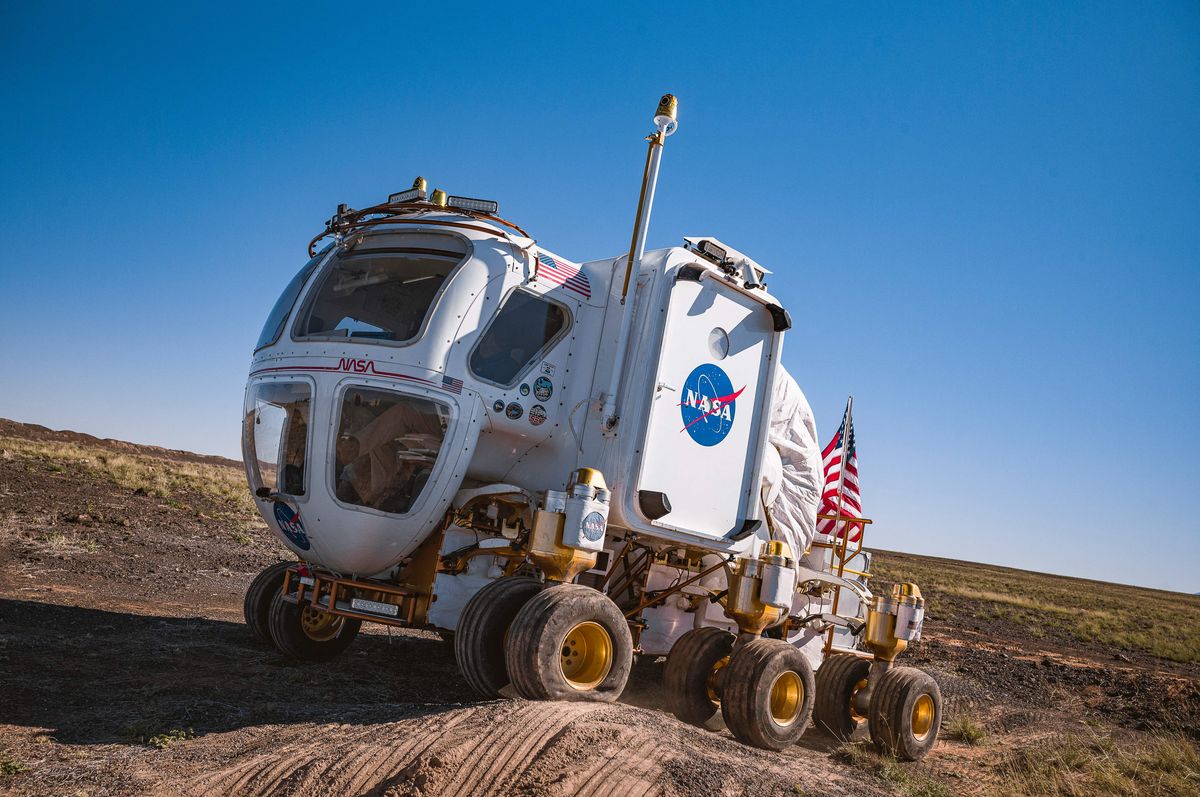
The path to the lunar south pole is complex, but with the integration of advanced rovers like the CLV-1, the prospect of sustained human activity on the Moon is becoming increasingly tangible. We will continue to monitor the development of the CLV line as Astrolab and its partners prepare for the next generation of lunar surface operations.
What are your thoughts on the role of commercial partnerships in the future of space exploration? Join the conversation in the comments below.
- Logitech MX Master 3S Deal: Get One of the Best Productivity Mice for $80
- 3 Best Affordable Japanese Automatic Watches for Beginners
- Intuitive Machines Changes Lunar Communication Satellite Launch Plans (world-today-news.com)
- AstroRad Vest Successfully Protects Artemis I Dummy from Space Radiation (time.news)