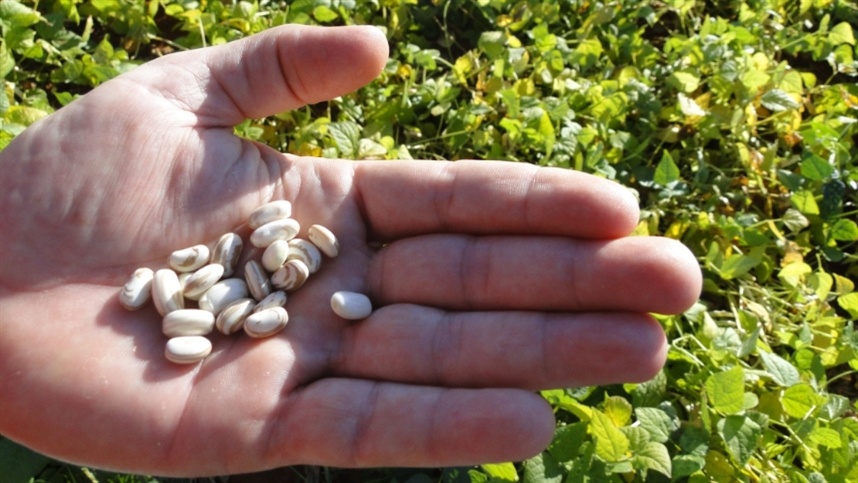
As the global community grapples with the dual challenges of climate instability and rising food insecurity, the intersection of agricultural science and public health has never been more critical. In Brazil, a nation where the common bean is not merely a crop but a cultural and nutritional cornerstone, the upcoming scientific discourse in Minas Gerais promises to highlight essential advancements in crop resilience and human nutrition.
The 14th National Bean Research Congress (Congresso Nacional de Pesquisa em Feijão) is scheduled to take place from May 27 to May 29, 2026, in Belo Horizonte. Organized by the Empresa de Pesquisa Agropecuária de Minas Gerais (Epamig), this gathering brings together agronomists, geneticists, and policymakers to address the systemic vulnerabilities of bean production and the opportunities for enhancing the nutritional density of this vital legume.
From my perspective as a physician and health editor, the implications of this congress extend far beyond the boundaries of the farm. Legumes, particularly the Phaseolus vulgaris species prevalent in Brazil, serve as a primary source of plant-based protein and essential micronutrients for millions of people. When researchers optimize the yield and hardiness of these crops, they are directly impacting the prevention of malnutrition and the management of chronic diseases on a population scale.
The focus of the Belo Horizonte summit reflects a broader shift toward sustainable intensification—increasing food production without expanding the agricultural footprint or degrading the environment. For a global audience, the outcomes of this congress provide a blueprint for how regional agricultural research can solve global health disparities by securing the supply of nutrient-dense, affordable food.
The Strategic Role of Epamig in Agricultural Innovation
Epamig stands as a pivotal institution in the Brazilian agricultural landscape, specializing in the development of technologies tailored to the specific climatic and soil conditions of Minas Gerais. By organizing the National Bean Research Congress, Epamig facilitates a critical exchange of data between academic researchers and the farmers who implement these innovations in the field.

The 14th edition of the congress arrives at a time when bean cultivation faces unprecedented pressure from erratic rainfall patterns and the emergence of new pests. The primary goal of the event is to showcase new cultivars that exhibit greater tolerance to drought and heat stress, ensuring that harvests remain stable even as the climate becomes less predictable. This stability is the first line of defense against food price volatility, which disproportionately affects low-income populations.
the congress emphasizes the integration of biotechnology and traditional breeding. By identifying specific genetic markers associated with resilience, researchers are accelerating the development of seeds that require fewer chemical inputs, thereby reducing the environmental runoff that can contaminate local water sources and impact community health.
Nutritional Security: The Health Implications of Bean Research
While the congress is rooted in agronomy, its ultimate output is a public health victory. Beans are an exceptional source of complex carbohydrates, dietary fiber, and essential minerals such as iron, and folate. For many populations in the Global South, beans are the most accessible source of protein, making the efficiency of their production a matter of survival rather than mere economic gain.
One of the most promising areas of discussion in modern legume research is biofortification. This process involves increasing the concentration of essential vitamins and minerals in a crop through agronomic practices or genetic improvement. For example, increasing the zinc or iron content in beans can help combat “hidden hunger”—a condition where individuals consume enough calories but lack critical micronutrients, leading to impaired cognitive development in children and weakened immune systems in adults.
the high fiber content of beans plays a significant role in managing non-communicable diseases (NCDs). As a medical professional, I recognize the profound impact that a legume-rich diet has on glycemic control for patients with type 2 diabetes and the reduction of LDL cholesterol for those at risk of cardiovascular disease. By ensuring the availability and affordability of high-quality beans, agricultural research in Belo Horizonte contributes directly to the reduction of global healthcare burdens.
Overcoming Climatic and Biological Hurdles
The researchers gathering in Belo Horizonte are tasked with solving a complex puzzle: how to maintain high yields while reducing the ecological footprint. Bean crops are particularly susceptible to fungal diseases and insect infestations, which can wipe out entire harvests if not managed correctly. The congress will highlight integrated pest management (IPM) strategies that prioritize biological controls over synthetic pesticides.
Climate resilience is the overarching theme of the current research cycle. The shift toward “climate-smart agriculture” involves several key strategies that will be detailed during the sessions:
- Drought-Tolerant Cultivars: Developing bean varieties that can maintain productivity with significantly less water.
- Soil Health Optimization: Implementing crop rotation and cover cropping to enhance nitrogen fixation, a natural process where legumes improve soil fertility.
- Precision Agriculture: Utilizing data analytics to optimize the application of water and nutrients, reducing waste and increasing efficiency.
These advancements are not just technical achievements; they are essential adaptations. As the Food and Agriculture Organization of the United Nations (FAO) has frequently noted, diversifying crop resilience is the only way to ensure a stable food supply in the face of the current climate crisis.
Socio-Economic Impact on Small-Scale Farmers
A critical component of the National Bean Research Congress is its focus on the smallholder farmer. In Brazil, a significant portion of bean production is carried out by family farms. These farmers are often the most vulnerable to crop failure and the least likely to have access to expensive industrial technologies.

By focusing on “low-input” high-yield varieties, Epamig and its partners are democratizing agricultural innovation. When a farmer can plant a seed that is naturally resistant to a common local pest, they save money on chemicals and reduce their exposure to toxic substances, improving their own occupational health and the safety of the final product consumed by the public.
The congress also serves as a platform for discussing the logistics of the supply chain. Reducing post-harvest losses—through better storage and transport methods—is just as critical as increasing the yield in the field. Every ton of beans lost to spoilage is a lost opportunity for nutrition and income, making the technical sessions on storage and preservation vital for the economic stability of rural communities.
Looking Ahead: The Future of Legume Science
The 14th National Bean Research Congress is more than a regional meeting; it is a snapshot of the future of sustainable food systems. The transition from intensive chemical farming to a biologically driven, resilient model is a necessity for the 21st century. As we look toward the results of the May 27–29 sessions, the global community should pay close attention to the breakthroughs in genetic resilience and biofortification.
The synergy between agricultural research and public health is clear: when we protect the seed, we protect the person. The work being done in Belo Horizonte ensures that one of the world’s most important protein sources remains viable, nutritious, and accessible for generations to come.
The next confirmed checkpoint for this initiative is the commencement of the congress on May 27, 2026, where the latest research findings and new cultivar releases will be officially presented to the scientific community and agricultural stakeholders.
We invite our readers to share their thoughts on the role of sustainable agriculture in global health in the comments below. How is your region adapting its food systems to meet the challenges of climate change?