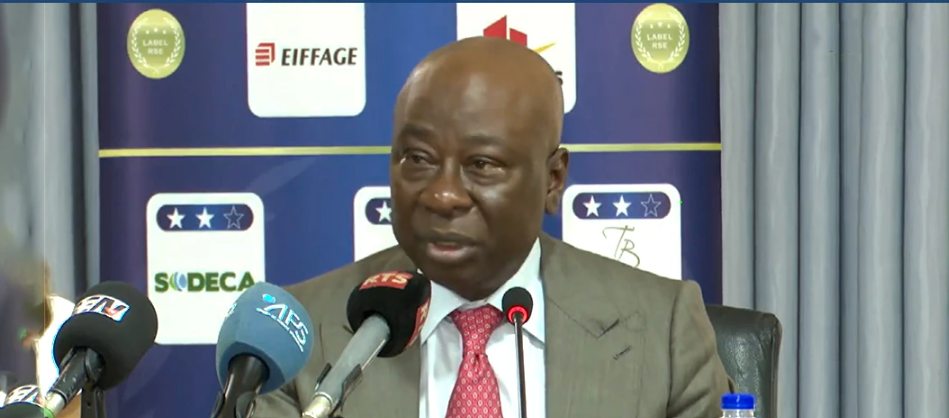
The Conseil National du Patronat (CNP), Senegal’s leading private sector representative body, has issued a formal alert regarding the deepening financial and operational difficulties facing local businesses. According to reports from the organization, the private sector is currently navigating a period of significant economic strain, characterized by liquidity shortages, difficulties in accessing credit, and the lingering effects of broader macroeconomic instability. This situation poses a direct challenge to national growth projections and the stability of the local labor market, as businesses struggle to maintain their current levels of investment and employment.
For the Senegalese economy, the private sector serves as the primary engine for job creation and fiscal revenue. The concerns raised by the CNP highlight the friction between current fiscal policies and the operational realities of Small and Medium Enterprises (SMEs), which form the backbone of the country’s economic landscape. As of mid-2024, the government has signaled a commitment to fiscal discipline and debt management, as outlined in the latest updates from the International Monetary Fund (IMF), which noted that while growth remains resilient, it is being tested by external shocks and domestic policy transitions.
Economic Pressure and Liquidity Constraints
The core of the CNP’s alarm centers on the scarcity of liquid capital necessary for day-to-day operations. Many companies are reporting that payments from public contracts—a major source of revenue for the construction and service sectors—have faced significant delays. This “payment lag” forces businesses to rely on expensive short-term bank financing, which has become increasingly difficult to secure due to higher interest rates and more stringent lending criteria from regional banks.

According to the Banque Centrale des États de l’Afrique de l’Ouest (BCEAO), the regional central bank has maintained a cautious monetary stance to curb inflationary pressures across the West African Economic and Monetary Union (UEMOA). This policy, while intended to stabilize the CFA franc, has inadvertently tightened the credit market, leaving private firms in Senegal with fewer options to refinance their debt or fund expansion projects. The CNP argues that without a targeted intervention to clear outstanding state arrears, the private sector’s contribution to the national GDP will likely stagnate in the coming fiscal quarters.
Impact on Employment and Investment
The inability of the private sector to access affordable capital has tangible consequences for the labor market. When firms face cash flow crises, the immediate response is typically a reduction in capital expenditure and a freeze on new hiring. Data from the Agence Nationale de la Statistique et de la Démographie (ANSD) indicates that the private sector remains the largest employer in the formal economy; therefore, any contraction in this space directly impacts unemployment figures and household purchasing power.
Furthermore, the uncertainty surrounding the current business climate has led to a “wait-and-see” approach among domestic investors. Larger corporations are reportedly holding back on long-term infrastructure projects until there is more clarity regarding the government’s industrial strategy and the implementation of planned tax reforms. This pause in investment affects not only the companies themselves but also their supply chains, which often consist of smaller, more vulnerable local vendors.
Policy Dialogue and the Path Forward
The CNP is calling for a more structured dialogue between the state and the private sector to address these systemic hurdles. The organization has emphasized the need for a mechanism to accelerate the settlement of public debts, which would provide an immediate injection of liquidity into the market. Additionally, there are calls for the government to review the current tax burden, which the patronat argues is disproportionately heavy given the current economic climate.
The government’s response to these challenges is expected to be a focal point in the upcoming budget discussions. According to the Ministry of Finance and Budget, the state is under pressure to balance the need for social spending with the requirement to reduce the budget deficit, which reached approximately 7.5% of GDP in 2023. Finding the middle ground between fiscal consolidation and supporting the private sector remains the primary challenge for the current administration as it prepares for the next phase of economic planning.
The next major checkpoint for these discussions will be the upcoming national budget presentation, where the government is expected to outline its strategy for private sector support and debt management for the 2025 fiscal year. Stakeholders are encouraged to follow official announcements from the Ministry of Finance and the CNP for updates on potential relief measures. We invite our readers to share their perspectives on the current business environment in the comments section below.