
The debate surrounding public safety strategies in the nation’s capital has gained new momentum following the release of empirical research examining the efficacy of military-style deployments in urban environments. For years, policymakers have grappled with the best approach to curbing crime in Washington, D.C., often weighing the merits of traditional law enforcement against more unconventional deployments. A recent study has shed light on this complex issue, suggesting that the presence of the National Guard has done little to reduce violent crime in D.C., prompting a broader conversation about the allocation of resources and the limitations of military assets in civilian policing.
As we examine these findings, it is essential to distinguish between different categories of criminal activity. While the deployment of the District of Columbia National Guard has been a recurring feature of the city’s security landscape—most notably during periods of civil unrest or large-scale public events—the data indicates a stark divergence in outcomes when comparing violent offenses to property-related crimes. This analysis, grounded in recent academic inquiry, highlights the challenges inherent in using military personnel to address the nuanced drivers of urban violence.
Evaluating the Impact of Military Deployments on Urban Safety
The study, which analyzed crime statistics during periods when the National Guard was active within the District, found that while there were observable shifts in property crime rates, the impact on violent crime was statistically negligible. Researchers often point to the “deterrence effect” as a primary reason for deploying uniformed personnel; however, this new evidence suggests that the presence of the Guard may not address the underlying social or systemic factors that contribute to violent outbursts. According to official crime data provided by the Metropolitan Police Department, violent crime in the District remains a multifaceted challenge that frequently requires specialized investigative and community-based interventions rather than a static security presence.

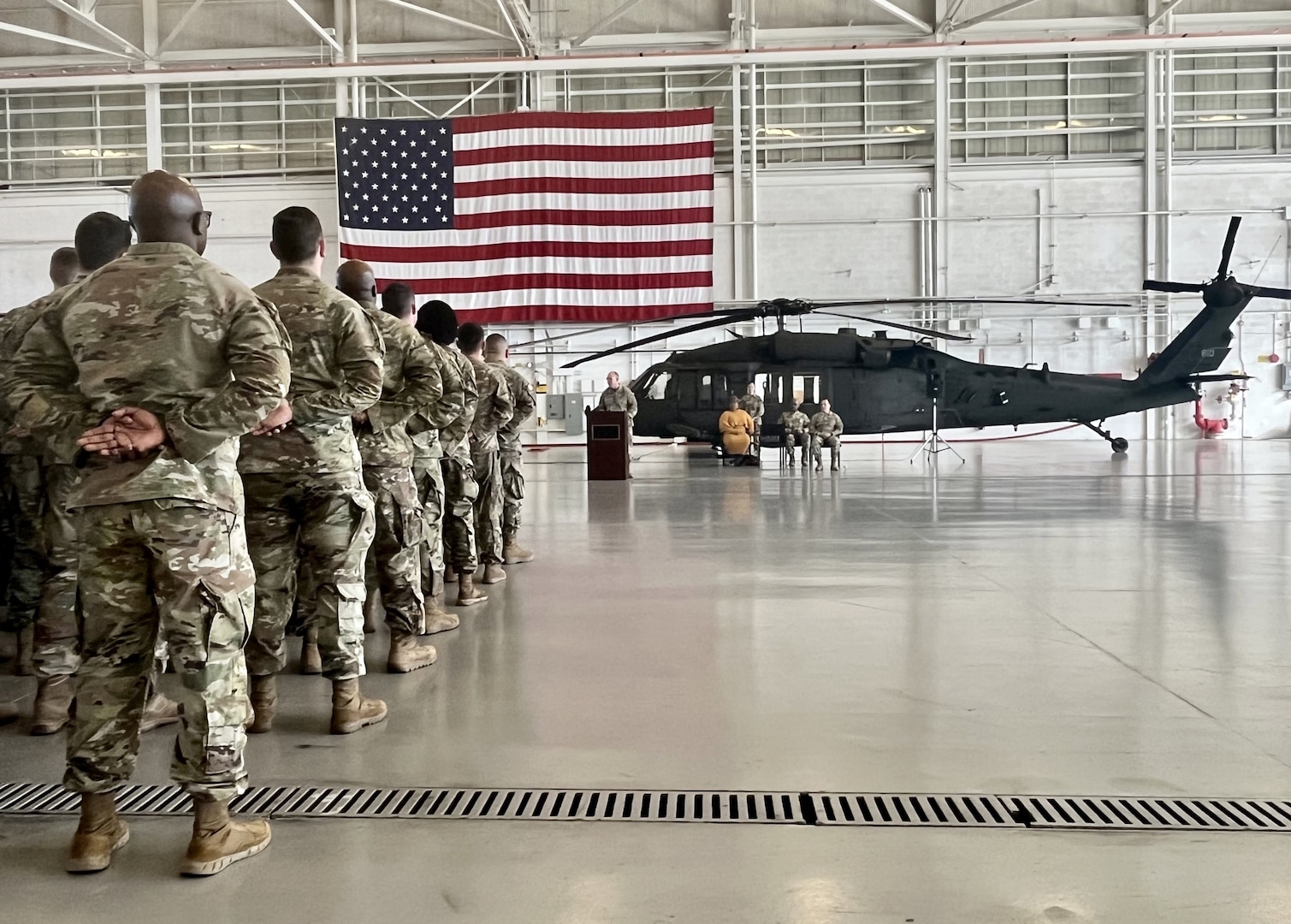
the role of the National Guard in the District is unique compared to other states. Because the District of Columbia is not a state, the President of the United States maintains command over the D.C. National Guard, a logistical and political reality that often complicates the coordination between local law enforcement and federal military assets. When these forces are deployed, they are typically tasked with support roles, such as traffic control or site security, rather than direct engagement in criminal investigations or tactical street-level policing.
Property Crime vs. Violent Crime: A Statistical Divergence
The research suggests that the National Guard’s visibility may act as a sufficient deterrent for opportunistic property crimes, such as theft or vandalism, where a uniformed presence can disrupt potential criminal activity. Conversely, violent crimes—which are often interpersonal or impulsive in nature—appear largely unaffected by the static deployment of troops. This distinction is critical for city officials and stakeholders who are tasked with allocating limited public safety budgets effectively.
For residents and policymakers, the findings suggest that a “one-size-fits-all” approach to public safety is increasingly insufficient. The District of Columbia Criminal Justice Coordinating Council continues to track these trends, emphasizing that sustainable reductions in violence require long-term investment in community violence intervention programs, mental health resources, and localized youth engagement initiatives. Relying on temporary surge deployments, whether military or otherwise, may provide a temporary sense of security but often fails to address the root causes of the violence that continues to affect various neighborhoods across the capital.
Contextualizing the Role of the National Guard
The D.C. National Guard was established to serve both local and federal interests, but its deployment for domestic policing remains a point of contention among civil liberties groups and municipal leaders. Historically, deployments have occurred in response to large-scale demonstrations, inaugurations, or declared emergencies. However, the use of these troops as a tool for crime suppression is a relatively modern development that has sparked significant debate regarding the militarization of local police forces.
In 2021, the Government Accountability Office (GAO) issued a report detailing the complexities of command and control for the D.C. National Guard, noting that the unique jurisdictional status of the District requires seamless communication between the Department of Defense, the Department of Justice, and the Metropolitan Police Department. Any strategy involving the Guard must navigate this intricate web of federal oversight, which can often lead to delays or misaligned objectives when trying to address rapid fluctuations in street-level crime.
What This Means for Future Public Safety Policy
As city officials look toward future budget cycles, the focus is shifting toward data-driven policing and community-led solutions. The recent study serves as a reminder that transparency in reporting, coupled with rigorous academic evaluation, is essential for determining which policies actually protect the public. The reliance on military assets for civil policing is a significant policy lever that should be evaluated against its actual impact on crime rates, rather than its perceived benefit.
Looking ahead, the next significant checkpoint for this discussion will be the upcoming oversight hearings held by the Council of the District of Columbia’s Committee on the Judiciary and Public Safety, where officials are expected to review current policing strategies and resource allocation for the next fiscal year. These hearings provide an opportunity for public testimony and the presentation of further independent research on effective crime reduction strategies.
We invite our readers to share their perspectives on this issue. Is the current security apparatus in Washington, D.C. Meeting the needs of its residents, or is it time for a fundamental shift in how we approach urban safety? Your engagement is vital to the ongoing dialogue about the future of our communities. Please share this article and contribute to the conversation in the comments section below.
Keep reading