Shooting in Washington D.C. Prompts Scrutiny of Afghan Immigration & Increased National Guard Presence
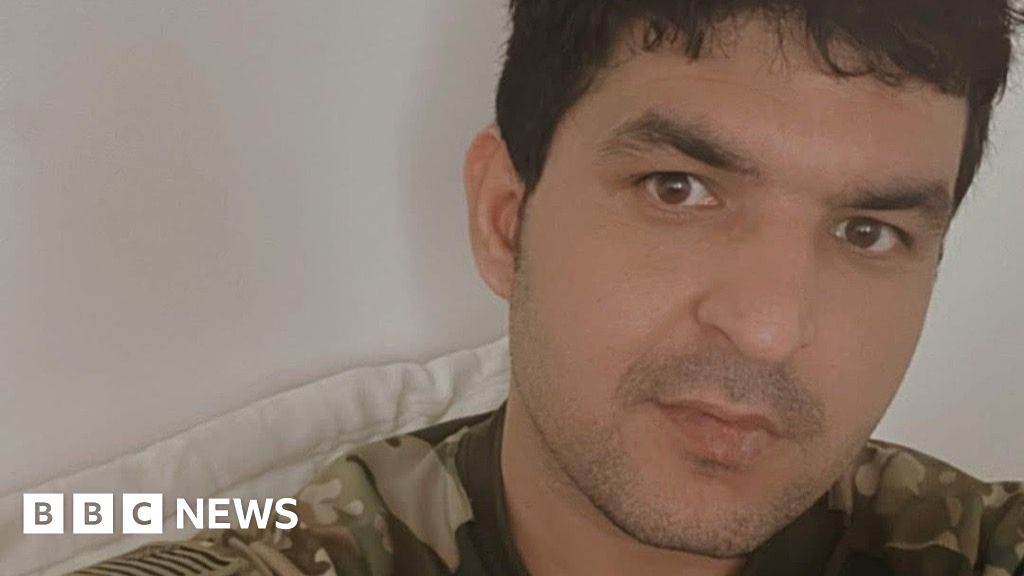
A shooting near Farragut square in Washington D.C. on Wednesday has left two National Guard members critically injured and sparked a wave of political reaction,including a suspension of Afghan immigration requests and calls for a comprehensive review of vetting processes. The suspect,identified as Akbar Lakanwal,is in custody and faces serious charges. This incident raises critical questions about national security, immigration policy, and the role of the National Guard in domestic security.
What Happened?
According to officials, Lakanwal allegedly opened fire on National Guard troops at close range in what authorities are describing as a deliberate ambush. Other National guard members on the scene quickly responded, shooting and detaining the suspect. He is currently hospitalized with injuries.
The injured National Guard members, identified as Ms. Beckstrom and Mr. Wolfe, both remain in critical condition after sustaining multiple gunshot wounds.
Who is Akbar Lakanwal?
Details emerging about lakanwal paint a concerning picture. U.S. Attorney Jeanine Pirro revealed that Lakanwal traveled across the country from Bellingham, Washington, to Washington D.C. specifically to carry out this attack.
Perhaps most significantly, Lakanwal previously worked with the U.S. Government in Afghanistan, including a period with the CIA as part of a partner force in Kandahar. This association ended shortly after the chaotic withdrawal of U.S. forces. CIA Director John Ratcliffe confirmed this information in a statement to CBS News.
Officials are now intensely reviewing Lakanwal’s immigration history and the vetting procedures he underwent before being granted entry into the United States. This includes examining how his prior involvement in Afghanistan was assessed.
Political Fallout & Policy Changes
The shooting has ignited a fierce political debate, notably surrounding immigration policy.Former President Donald Trump immediately labeled the incident an “act of terror” and vowed to take action.
Here’s a breakdown of the immediate responses:
* Immigration Suspension: The U.S. has temporarily suspended all immigration requests from Afghanistan.
* Vetting Review: President Trump directed U.S.Citizenship and Immigration services (USCIS) Chief Joseph Edlow to conduct a “full-scale, rigorous re-examination” of Green Cards issued to individuals from Afghanistan and other ”countries of concern.”
* Increased National Guard Deployment: An additional 500 National Guard members will be deployed to patrol the streets of Washington D.C., bringing the total number of troops guarding the capital to over 2,000. These deployments began in August in response to concerns about crime in Democratic-lead cities.
Trump emphasized the need to remove any foreigner “from any country who does not belong here,” framing the incident as a consequence of “reckless resettlement policies.”
Understanding the Role of the National Guard
It’s important to understand the limitations of the National Guard’s role in domestic security.While they are a valuable reserve military force, they operate under specific constraints.
* Limited Law Enforcement Authority: National Guard troops cannot enforce laws or make arrests. Their primary function is to provide support to civilian authorities.
* Reservist Status: Guard members are primarily reservists, meaning they have civilian jobs and are activated for specific missions.
What Does This Mean for You?
This incident underscores the complex challenges surrounding national security,immigration,and the ongoing consequences of the withdrawal from Afghanistan. You can expect increased scrutiny of immigration processes, particularly for individuals from regions with ongoing instability.the debate over the appropriate role of the National Guard in domestic security will likely intensify.
as more information becomes available, we will continue to update this report.
this article incorporates contributions from Hafizullah Maroof and Sayed Abdullah Nizami of BBC Afghan Service.
Disclaimer: This article provides information based on currently available reports and is subject to change as the investigation progresses.
Keep reading