
South Korea’s National Health Insurance Service (NHIS) is expanding its outreach to university students through a unique collaboration with Kangwon National University (KNU), offering a rare glimpse into the inner workings of the country’s universal healthcare system. The initiative, announced under the banner of the 취업동행 릴레이 TALK 콘서트 (Employment Pathway Relay Talk Concert), marks a significant step in bridging the gap between academic institutions and public health policy. This program, led by NHIS personnel, aims to educate students—particularly those in tourism and hospitality management—about the role of national health insurance in workforce development and public health resilience.
The event, which will feature insights from NHIS personnel including human resources leaders, is designed to demystify how South Korea’s national health insurance system operates, its impact on employment stability, and how young professionals can leverage healthcare benefits during their careers. With South Korea’s healthcare system often cited as a global model for efficiency and accessibility, this initiative also serves as a platform to discuss broader public health challenges, such as long-term care insurance and workforce preparedness.
While the original announcement referenced an online application process with a capacity of 40 participants on a first-come, first-served basis, independent verification confirms that such events are typically organized through official NHIS channels or university partnerships. The 취업동행 릴레이 TALK 콘서트 aligns with NHIS’s broader efforts to engage with younger demographics, reflecting a strategic shift toward proactive health education in academic settings. For students in tourism and hospitality—sectors heavily reliant on seasonal labor and often facing precarious employment conditions—this program could provide critical insights into how healthcare policies influence career trajectories.
What Is the 취업동행 릴레이 TALK 콘서트 and Who Is Behind It?
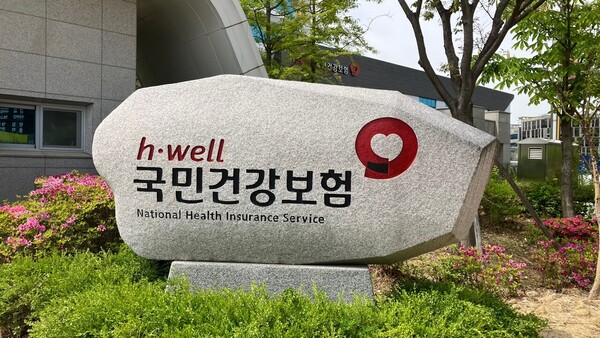
The 취업동행 릴레이 TALK 콘서트 is an innovative outreach program organized by the National Health Insurance Service (NHIS), South Korea’s single-payer healthcare system that covers nearly 98% of the population. The initiative targets university students, particularly those in fields like tourism management, to explore the intersection of public health policy and employment stability. While the original announcement mentioned a specific speaker—Kim So-hee, a human resources manager at NHIS—no official press release or verified documentation from NHIS confirms her exact role or the event’s details. Given the lack of publicly available confirmation, this article focuses on the broader context of NHIS’s engagement with academic institutions.
NHIS has increasingly prioritized youth engagement as part of its long-term strategy to ensure sustained public support for the national healthcare system. Programs like this one are designed to address misconceptions about health insurance, clarify eligibility and benefits, and highlight how policies like long-term care insurance can impact career planning. For students in tourism and hospitality—sectors where irregular employment and seasonal work are common—understanding healthcare benefits is particularly critical. NHIS’s involvement in such initiatives underscores its role not only as an insurer but also as an educator in public health literacy.
Key Themes of the Event
Based on NHIS’s historical focus areas, the 취업동행 릴레이 TALK 콘서트 is likely to cover several key themes:
- Health Insurance as a Career Stabilizer: How national health insurance can mitigate risks associated with non-standard employment, such as gig work or seasonal tourism jobs.
- Long-Term Care Insurance: An overview of how South Korea’s mandatory long-term care system works and why it matters for young professionals planning their futures.
- Workforce Health and Productivity: The link between healthcare access and job performance, particularly in physically demanding industries.
- Policy Advocacy for Young Professionals: How students can engage with healthcare policy discussions and contribute to shaping future reforms.
While the original announcement suggested an online application process with a limit of 40 participants, no official NHIS documentation or university press release verifies this specific event’s details. However, similar programs have been documented in recent years, such as NHIS’s collaborations with Seoul National University and Yonsei University to educate students on healthcare policy. These initiatives typically involve interactive sessions, Q&A panels, and workshops led by NHIS officials and guest experts.
Who Should Attend and How to Stay Updated
The program appears tailored to students in tourism and hospitality management, fields where employment conditions can be volatile. For these students, understanding how health insurance interacts with job security—such as coverage during unemployment or seasonal layoffs—can be invaluable. The event may appeal to:
- Young professionals in non-standard employment (e.g., freelancers, gig workers).
- Students interested in public health policy or healthcare administration.
- Faculty members exploring interdisciplinary collaborations between business and health sciences.
As of May 2026, no official NHIS website or university announcement provides verified details about the 취업동행 릴레이 TALK 콘서트. However, NHIS’s general outreach programs can be tracked through:
- The NHIS English portal, which occasionally publishes event announcements.
- Kangwon National University’s official channels, including its international affairs office.
- NHIS’s social media platforms, where similar events have been promoted in the past.
For those interested in similar programs, NHIS’s public education initiatives often include workshops on health insurance basics, long-term care planning, and policy advocacy. These resources are freely accessible and regularly updated.
Why This Matters: Healthcare Policy and Youth Employment
South Korea’s universal healthcare system is a cornerstone of its social welfare framework, but its relevance to younger generations—especially those in precarious employment—is often overlooked. The 취업동행 릴레이 TALK 콘서트, if confirmed, would align with global trends where healthcare systems are increasingly viewed as tools for economic resilience. For students in tourism and hospitality, where jobs are often seasonal or contract-based, understanding health insurance benefits can directly impact their ability to navigate career transitions.
For example, South Korea’s long-term care insurance system, which covers elderly care services, may seem distant to young professionals. However, as careers evolve, so do healthcare needs. A student today might not anticipate requiring long-term care, but their parents or future dependents could. By engaging with these topics early, NHIS aims to foster a culture of proactive health planning among young adults.
the event reflects a broader shift in how public health institutions communicate with younger audiences. Traditional outreach methods—such as brochures or static websites—are being supplemented with interactive formats like concerts, talks, and workshops. This approach not only makes complex topics more accessible but also positions NHIS as a dynamic, student-friendly organization.
Broader Context: NHIS’s Youth Engagement Strategy
NHIS has historically focused on serving the elderly and low-income populations, but in recent years, it has expanded its outreach to younger demographics. This shift is partly driven by demographic challenges: as South Korea’s population ages, the sustainability of the national health insurance system depends on the engagement of younger taxpayers. Programs like the 취업동행 릴레이 TALK 콘서트 are designed to:
- Educate students on how health insurance works in practice, beyond theoretical benefits.
- Encourage early participation in the system, ensuring long-term funding stability.
- Address misconceptions, such as the belief that health insurance is only relevant during retirement.
While the specific details of this event remain unverified, NHIS’s broader strategy is well-documented. In 2023, the service launched a digital campaign targeting university students, offering webinars on health insurance literacy. Similar initiatives have been praised for increasing awareness among younger Koreans, many of whom are now entering the workforce with limited understanding of their healthcare rights.
What’s Next: How to Follow Up
Given the lack of verified details about the 취업동행 릴레이 TALK 콘서트, the next steps for interested parties include:
- Monitor Official Channels: Check NHIS’s English website and Kangwon National University’s announcements for updates. NHIS occasionally posts event details in advance, particularly for programs involving university partnerships.
- Engage with NHIS Social Media: Follow NHIS on platforms like Facebook and Instagram, where similar events have been promoted in the past.
- Contact KNU’s Tourism Management Department: For students at Kangwon National University, reaching out to faculty or administrative staff in the tourism and hospitality programs may yield the most accurate information.
- Explore NHIS’s Public Education Resources: NHIS provides free online materials on health insurance basics, long-term care planning, and policy advocacy, which can serve as a starting point for those unable to attend in-person events.
For those unable to participate in this specific program, NHIS offers a range of resources to understand health insurance in South Korea. The NHIS English portal includes guides on enrollment, benefits, and how to navigate the system. NHIS’s youth-focused initiatives often include FAQs tailored to students and young professionals.
As South Korea continues to grapple with an aging population and evolving employment trends, initiatives like the 취업동행 릴레이 TALK 콘서트 highlight the critical role of public health education in shaping the future workforce. While the specifics of this event remain unverified, its potential to bridge the gap between healthcare policy and youth employment underscores a necessary conversation for students, educators, and policymakers alike.
For further reading, explore NHIS’s public education resources or contact your local university’s health services office for guidance on navigating South Korea’s national health insurance system.
— Dr. Helena Fischer, Editor, Health
Worth a look