Reclaiming Color: The National Theater’s Journey into Natural Dyeing
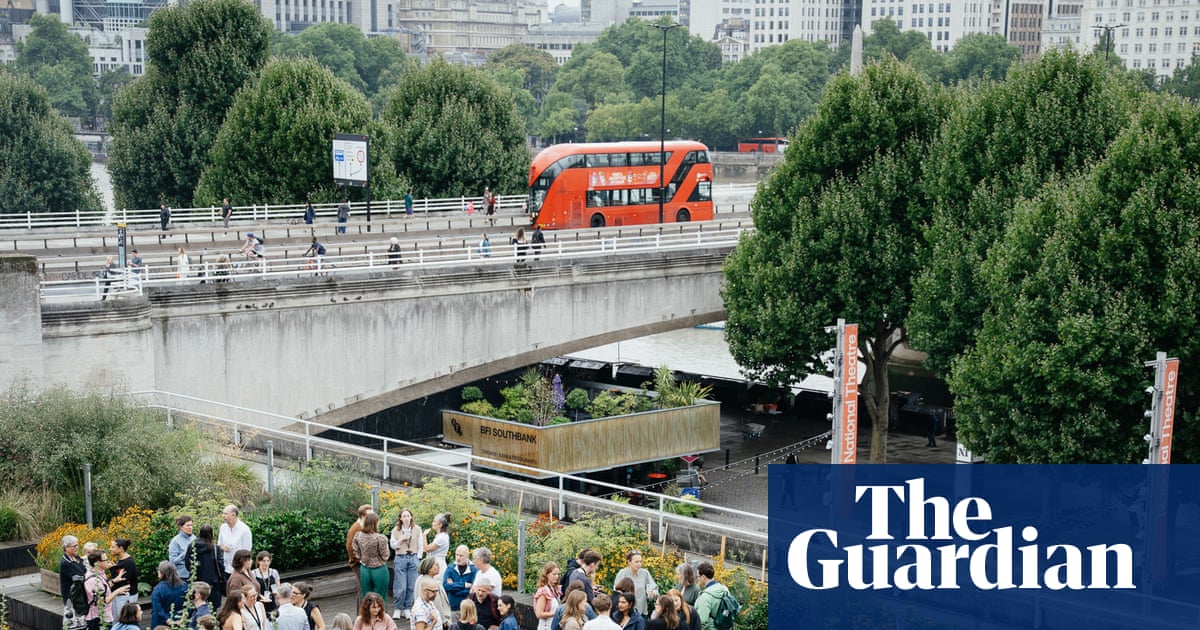
The world of theatrical costume is undergoing a vibrant transformation,moving away from synthetic dyes adn embracing the rich palette offered by nature. A dedicated garden is now blossoming behind the scenes at a prominent London theatre, providing a surprising source of color and a haven for both performers and pollinators. This initiative isn’t just about aesthetics; it’s a return to ancient practices and a commitment to lasting artistry.
Beyond Muted Tones: the Power of Plant-based Dyes
Many assume that natural dyes yield only pale, washed-out hues. However, this couldn’t be further from the truth. Surprisingly, vibrant and even neon shades are achievable through careful extraction and application.consider that our ancestors didn’t live in a world of faded fabrics.
Historically, color was abundant and celebrated.Tapestries and garments were renowned for their bold, saturated tones. What we perceive as “antique” coloring is often the result of centuries of fading, not the original intention.
From Mother’s Day Blooms to a Full-Scale Obsession
The journey into natural dyeing often begins with a simple spark of curiosity. One artisan’s fascination began with a bouquet of flowers, specifically goldenrod gifted on Mother’s Day. Experimenting with the blooms revealed a remarkably strong and beautiful yellow dye.
This initial success ignited a passion, leading to a deeper exploration of the possibilities within the natural world. Now, a dedicated garden provides a constant source of inspiration and materials.
A Sanctuary for Creativity and Wildlife
This isn’t solely a dye garden; it’s a multi-faceted space designed to nurture both artistic expression and biodiversity. Actors frequently utilize the garden as a peaceful retreat. You’ll find them pacing amongst the flowers, memorizing lines, or simply seeking respite from the demands of performance.
Furthermore, the garden has become a vital resource for local wildlife. The concrete landscape surrounding the theatre offers limited sustenance for pollinators. Consequently, bees, hummingbird moths, and othre beneficial insects are flocking to the garden’s diverse array of dye plants. The theatre even harvests honey from bees on its roof, thanks to the garden’s bounty.
The Benefits of Natural Dyeing: A Holistic Approach
The process of natural dyeing is far more than just achieving a specific color. It’s a deeply sensory experience.Imagine being surrounded by fragrant petals and crushed leaves, fully immersed in the sights, smells, and textures of the natural world.
Here’s a breakdown of the advantages:
Sensory Engagement: The process is tactile and aromatic, fostering a connection to the materials.
Sustainability: Natural dyes reduce reliance on synthetic chemicals and their environmental impact.
Historical Authenticity: It allows for a more accurate depiction of historical costumes.
Unique Results: Each dye batch is subtly diffrent, creating one-of-a-kind fabrics.
A Vision for the Future of Costume design
The ultimate goal is to transition to a system where the vast majority,if not all,of the theatre’s costumes are produced using natural methods. While this is an enterprising undertaking, the initial results are incredibly promising.
This project represents a important shift in thinking about costume design.It’s a move towards a more holistic, sustainable, and artistically fulfilling approach. It’s a testament to the power of reconnecting with conventional techniques and embracing the beauty of the natural world.
Related reading