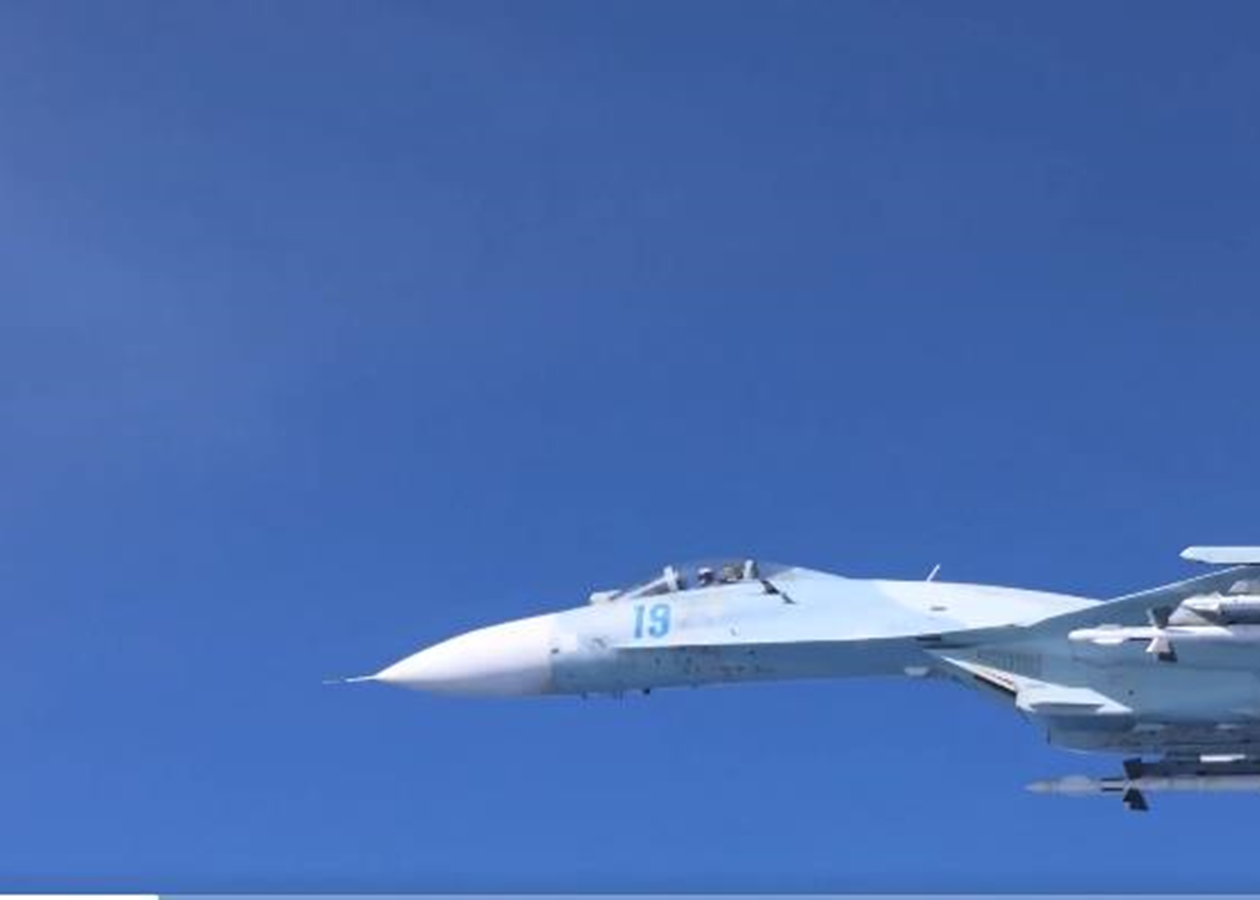
As international tensions persist across European airspace, the presence of military aircraft conducting routine operations remains a focal point for defense analysts and government officials alike. Recent reports concerning aerial activity over the Black Sea have prompted discussions regarding the intersection of routine flight missions and the broader security architecture of the North Atlantic Treaty Organization (NATO).
For those of us tracking international security, it is essential to distinguish between standard, pre-planned defensive maneuvers and incidents that trigger diplomatic discourse. These flights, often described as part of broader operational commitments, serve as a visible component of the alliance’s collective security strategy, which is designed to ensure the stability of its member states’ borders.
Understanding NATO’s Operational Framework
The North Atlantic Treaty Organization, an alliance currently composed of 32 member states, operates on the principle of collective defense, as enshrined in Article 5 of the North Atlantic Treaty. Established in 1949, the organization functions as a system where an armed attack against one member is considered an attack against all, a cornerstone of its defensive mandate.
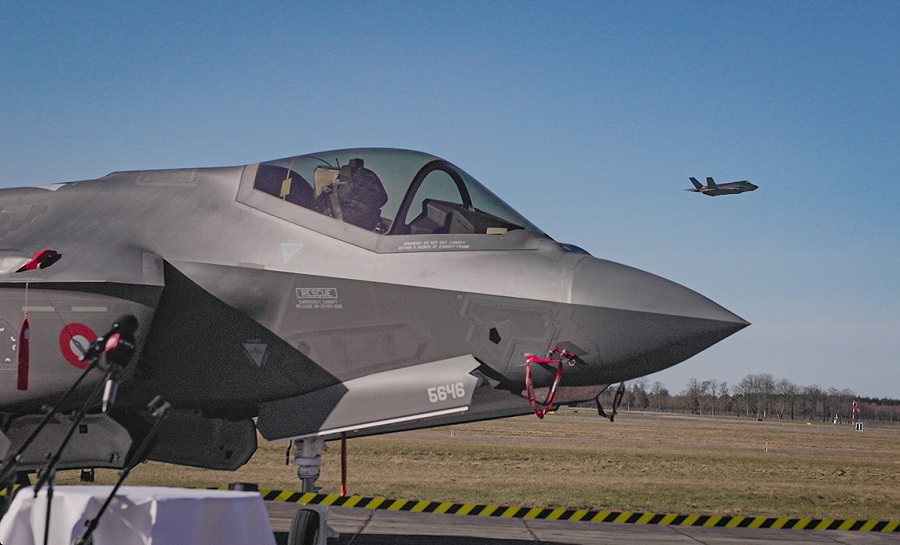
In the modern era, this mandate is executed through various means, including surveillance, air policing, and regular patrols. These missions are not arbitrary. they are planned well in advance to support the security of the alliance’s eastern flank. By maintaining a consistent presence, NATO aims to deter potential aggression and provide a clear signal of unity among its members, which include nations spanning both Europe and North America.
The Role of Aerial Surveillance and Security
When aircraft conduct flights over regions such as the Black Sea, they are typically engaged in tasks vital to maintaining situational awareness. These operations are often performed in support of broader NATO initiatives, ensuring that the alliance remains informed about developments in its periphery. Such flights are conducted in international airspace, adhering to established international aviation regulations.
The importance of these missions was underscored during recent preparations for the upcoming Ankara Summit. As Secretary General Mark Rutte indicated, there is a continued emphasis on delivering upon commitments, including those related to defense spending and the strengthening of the alliance’s operational capabilities. As of the latest updates, member states have been working toward significant milestones in defense investment, with targets aiming for 5% of GDP by the year 2035, as discussed during the previous summit in The Hague, according to official NATO communications.
Key Pillars of Current Defense Strategy
- Collective Security: The foundational belief that member states are stronger and safer when they act in concert.
- Deterrence: The use of visible, routine military presence to prevent conflict before it begins.
- Transparency and Readiness: Regular communication between foreign ministers, such as the meetings held in Helsingborg on May 21-22, 2026, to coordinate alliance-wide responses.
Contextualizing Diplomatic and Military Discourse
In the realm of international relations, statements from various government bodies regarding “provocations” in the air often reflect the high-stakes nature of modern geopolitical competition. However, from a technical perspective, it is critical to view these interactions through the lens of established military protocols. NATO maintains that its activities are defensive, transparent, and conducted with full regard for the safety of other air traffic.
The complexity of these interactions often arises from the proximity of different nations’ military assets. As the alliance continues to navigate these challenges, the focus remains on maintaining open channels of communication to prevent miscalculation. The upcoming Ankara Summit is expected to be a pivotal moment for leaders to refine these strategies, ensuring that the alliance remains responsive to the evolving security environment of the 21st century.
Looking Ahead: The Ankara Summit
The discourse surrounding aerial activity will likely continue to be a subject of discussion as the international community looks toward the Ankara Summit. The preparations in Helsingborg, involving foreign ministers from across the alliance, demonstrate the ongoing effort to align priorities and solidify the commitments made by member nations.
As we monitor these developments from our newsroom in Lisbon, we remain committed to providing our readers with verifiable information rooted in official records. The security landscape is fluid, and the strength of the alliance depends on the continued cooperation and resolve of its 32 member states. We will continue to track the outcomes of the foreign ministers’ meetings and the lead-up to the Ankara Summit as further details are released through official channels.
What are your thoughts on the role of international alliances in maintaining regional stability? We encourage our readers to share their perspectives and engage in the conversation below. Stay tuned to World Today Journal for further updates as they become available.