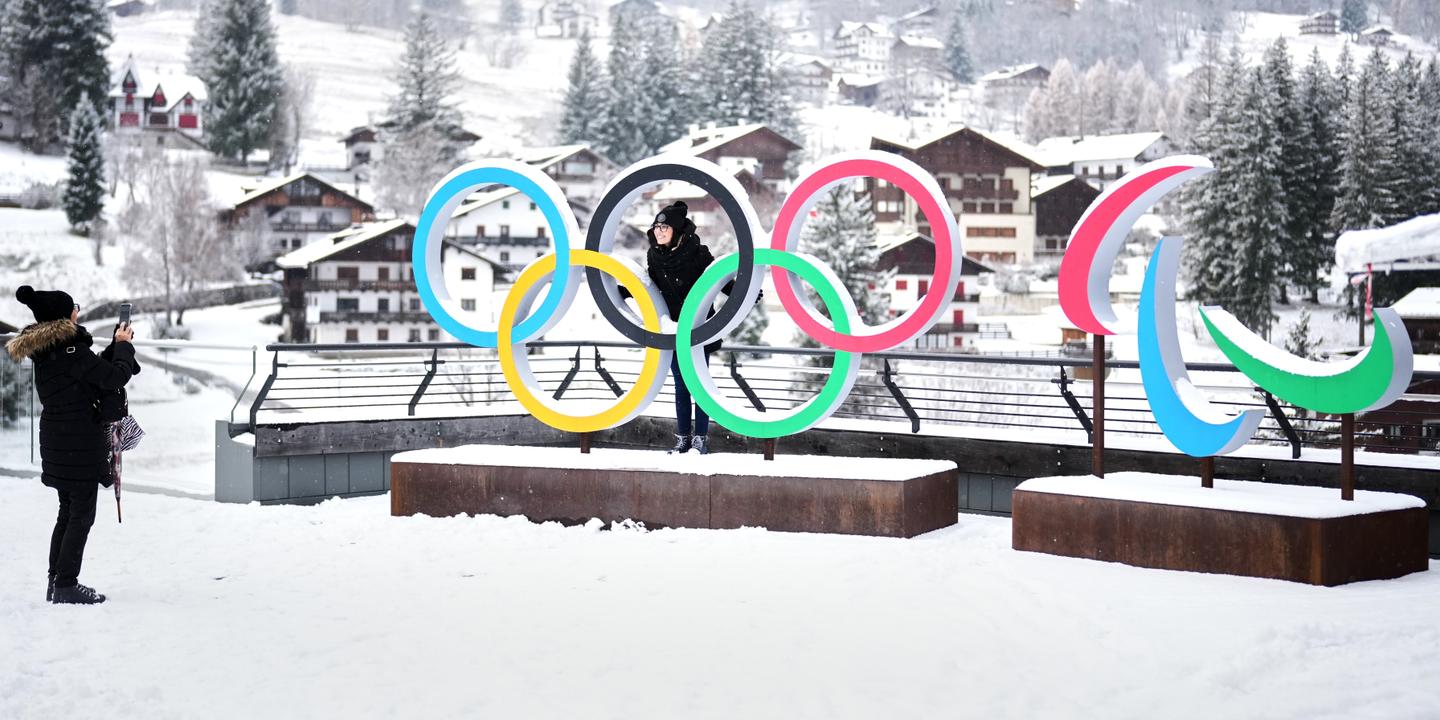
Sofia, Bulgaria – As tensions with Russia continue to escalate, a growing sense of urgency is gripping European capitals. Recent military exercises and stark warnings from German officials underscore the heightened state of alert. The latest development – a planned boycott of the Paris Paralympic Games by the European Commissioner for Sport and Ukrainian officials due to the anticipated participation of Russian athletes – adds another layer of complexity to the already fraught geopolitical landscape. This decision highlights the deep divisions and moral dilemmas facing the international community as it grapples with the question of Russia’s role in global sporting events amid its ongoing aggression in Ukraine.
The situation is particularly sensitive given recent assessments from German defense officials regarding the potential for a Russian attack on NATO territory. While the immediate threat remains uncertain, the warnings serve as a stark reminder of the evolving security environment in Europe. These concerns are not isolated; they are part of a broader pattern of increased Russian military activity and assertive rhetoric that has prompted NATO to bolster its defenses and reassess its strategic posture. The potential for miscalculation or escalation remains a significant worry for policymakers across the continent.
The decision by the European Commissioner for Sport to boycott the Paralympics, alongside a similar move by Ukrainian officials, is a direct response to the International Paralympic Committee’s (IPC) decision to allow Russian and Belarusian athletes to compete under a neutral flag. This decision, made in March 2023, was overturned by the IPC following a Russian state-sponsored doping scandal, but the issue has resurfaced with the approach of the Paris Games. Critics argue that allowing Russian participation, even under a neutral banner, legitimizes a regime accused of widespread human rights abuses and international aggression. They contend that it sends the wrong message to the Ukrainian people, who are fighting for their survival against Russian forces.
NATO Exercises Signal Heightened Readiness
Amidst these diplomatic tensions, NATO continues to demonstrate its military readiness through a series of exercises designed to deter potential aggression. On Wednesday, February 14, 2026, approximately 3,000 soldiers from NATO member states participated in a large-scale amphibious landing exercise in northern Germany, near Putlos. The exercise, observed by German Defense Minister Boris Pistorius, involved troops from Turkey and Spain practicing the seizure of a beachhead. According to Pistorius, the exercise underscored the deteriorating security situation in the Baltic Sea region, characterized by what he termed “hybrid threats” emanating from Russia. Defense News
The Baltic Sea has become a focal point of concern due to reports of sabotage, cyberattacks, and destabilizing operations attributed to Russia. These activities have raised fears that the region could become a potential flashpoint for conflict. The NATO exercise was intended to demonstrate the alliance’s unity, operational capability, and commitment to deterrence. According to General Carsten Breuer, Inspector General of the Bundeswehr, the exercise also has “diplomatic effects,” as Russia increasingly shifts its military focus westward. The goal of the exercise was to rapidly deploy troops to NATO territory in the event of an emergency, with the alliance aiming to mobilize 40,000 soldiers within ten days.
The Putlos exercise is part of a larger NATO maneuver involving around 10,000 soldiers from 11 NATO countries, spanning January to March. While no U.S. Soldiers participated in this specific exercise, German Defense Minister Pistorius attributed this to a “routine rotation” among allies and denied any cooling of transatlantic relations, despite ongoing geopolitical tensions, including those related to Greenland. The exercise involved the deployment of 15 warships and two Eurofighter aircraft from the German Air Force, supported by helicopters, combat divers, and amphibious tanks.
Germany Warns of Imminent Threat
The backdrop to these military exercises and the Paralympic boycott is a growing sense of alarm within Germany regarding the potential for a Russian attack on NATO. Recent statements from German officials have painted a stark picture of the evolving threat landscape. In January 2024, German Defense Minister Boris Pistorius warned that Russia could be prepared to attack NATO by 2029. Kyiv Post This assessment, based on intelligence reports and analysis of Russian military capabilities, has prompted a reassessment of NATO’s defense posture and a renewed focus on preparedness.
Adding to the sense of urgency, a recent warning from German officials suggested that “we may have had our last summer of peace” before Russia’s next war. UNITED24 Media This statement, while deliberately provocative, reflects a growing concern that Russia’s aggressive actions in Ukraine could escalate into a wider conflict. The potential for miscalculation, accidental escalation, or a deliberate decision by Moscow to expand the war beyond Ukraine’s borders is a major source of anxiety for European leaders.
The Paralympic Boycott: A Symbolic Stand
The decision by the European Commissioner for Sport and Ukrainian officials to boycott the Paris Paralympic Games is a powerful symbolic gesture. It underscores the determination of some nations to isolate Russia and hold it accountable for its actions in Ukraine. The IPC’s decision to allow Russian athletes to compete under a neutral flag has been met with widespread criticism from Ukrainian officials and advocates for a complete ban on Russian participation. They argue that any form of Russian presence at the Games would be a betrayal of the principles of fair play and a slap in the face to the Ukrainian athletes who have suffered immensely as a result of the war.
The Ukrainian government has been particularly vocal in its opposition to the IPC’s decision, arguing that it undermines international efforts to pressure Russia to end its aggression. Ukrainian officials have called for a complete boycott of the Games if Russian athletes are allowed to participate, and they have urged other nations to join them in their protest. The European Commissioner for Sport’s decision to heed this call sends a strong message to the IPC and to Russia that the international community will not tolerate the normalization of Russian aggression.
The IPC maintains that its decision to allow neutral athletes is based on the principle that athletes should not be punished for the actions of their governments. However, critics argue that this principle is not absolute and that in the case of Russia, the close ties between the government and the sporting system justify a more stringent approach. The debate over Russian participation in international sporting events is likely to continue in the coming months, as the Paris Games draw closer.
Looking Ahead: Increased Vigilance and Diplomatic Pressure
The current situation demands a multifaceted response, combining increased military vigilance with sustained diplomatic pressure on Russia. NATO must continue to strengthen its defenses and demonstrate its resolve to protect its member states. At the same time, the international community must maintain a united front in condemning Russian aggression and holding Russia accountable for its actions. The Paralympic boycott, while symbolic, is a reminder that the world is not willing to simply accept the status quo.
The next key development to watch will be the IPC’s response to the growing boycott threat and any potential adjustments to its policy on Russian participation in the Paris Games. Further announcements regarding NATO’s military deployments and exercises in Eastern Europe are also expected in the coming weeks. The situation remains fluid and unpredictable, and continued vigilance and proactive diplomacy are essential to prevent further escalation.
The evolving security landscape in Europe requires a sustained and coordinated response from the international community. The challenges are significant, but the stakes are even higher. The future of European security and the principles of international law are on the line. We encourage readers to share their thoughts and perspectives on these critical issues in the comments below.
Keep reading