
As the conflict in Ukraine continues to reshape the geopolitical landscape of Eastern Europe, the diplomatic and military ties between Kyiv and the North Atlantic Treaty Organization (NATO) have reached a new level of intensity. This week, the alliance signaled a robust commitment to its partner, as high-level officials convened in the Ukrainian capital to discuss the ongoing security challenges posed by the Russian invasion.
The visit, which took place on Wednesday, June 3, 2026, saw the Secretary General and the North Atlantic Council gather in Kyiv for the inaugural NATO-Ukraine Council meeting held on Ukrainian soil. This historic assembly serves as a clear indicator of the alliance’s deepening engagement with Ukraine, underscoring a shared resolve to address the persistent threats to regional stability. According to official NATO reports, this visit represents a significant moment in the alliance’s ongoing efforts to provide coordinated support to the nation in the face of sustained aggression.
Strengthening the NATO-Ukraine Security Architecture
The establishment of the NATO-Ukraine Council has been a pivotal development in the alliance’s outreach. By moving the council meeting to Kyiv, NATO leaders have underscored the urgency of the current situation. This diplomatic maneuver is not merely symbolic; it is part of a broader strategy to solidify the partnership between the 32-member alliance, and Ukraine. The council functions as a platform for crisis consultation and decision-making, allowing for more direct coordination on security matters.
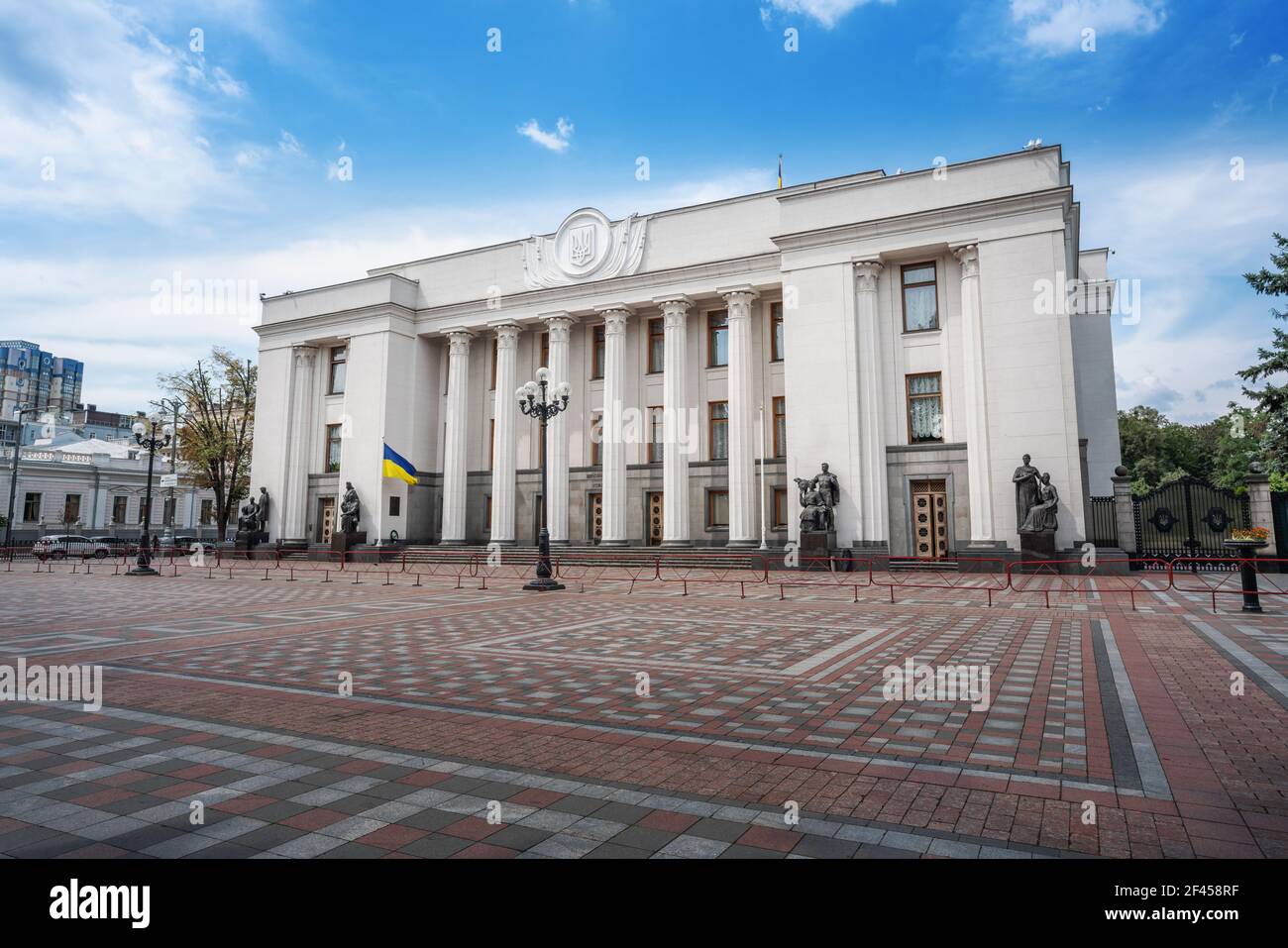
For observers of international relations, this deepening of ties signifies a departure from traditional consultative frameworks. The alliance, founded in 1949 as a system of collective defense under Article 5 of the North Atlantic Treaty, has historically prioritized the territorial integrity of its members. However, the current geopolitical climate has necessitated a more proactive approach to supporting non-member partners facing existential threats. The official mission and mandate of the council focus on enhancing interoperability and ensuring that Ukraine remains a central priority for the Euro-Atlantic security community.
A Climate of Persistent Threat
The visit to Kyiv occurred against a backdrop of ongoing conflict and immediate danger. The presence of international leadership in the city serves as a reminder that, despite the diplomatic progress, the reality on the ground remains volatile. Security remains the primary concern for the Ukrainian government and its international partners, as the country continues to endure regular aerial attacks and infrastructure targeting by Russian forces.
The persistence of these threats highlights the critical importance of the support provided by the alliance. While the diplomatic discourse focuses on future cooperation, the immediate, lived reality for the citizens of Ukraine is one of resilience. The international community, through organizations like NATO, continues to monitor these developments closely, ensuring that the dialogue between Kyiv and Brussels remains responsive to the evolving military situation on the front lines.
Key Considerations for the Future
As the international community looks toward the coming months, several factors will influence the trajectory of the NATO-Ukraine relationship:

- Enhanced Consultative Mechanisms: The ability to hold high-level meetings in Kyiv suggests a more flexible and responsive communication structure.
- Collective Security Focus: Ongoing discussions emphasize the importance of deterrence and the need for a unified stance against territorial violations.
- Strategic Alignment: Both parties are working to ensure that military aid and political support are synchronized to achieve long-term stability.
The situation remains fluid, and the international community expects further updates as the NATO-Ukraine Council continues its work. The commitment demonstrated by the visit to Kyiv on June 3 is a clear indicator that the alliance views the stability of Ukraine as inextricably linked to the broader security of the North Atlantic region. As we move forward, the focus will likely remain on the practical implementation of the agreements reached during these high-level sessions, with an emphasis on sustained, long-term cooperation.
We invite our readers to share their perspectives on the evolving role of international alliances in the 21st century. Please join the conversation below and stay tuned to our World section for further updates as this story develops.