Russian Submarine Novorossiysk Incident: A Deep Dive into the Concerns adn Implications
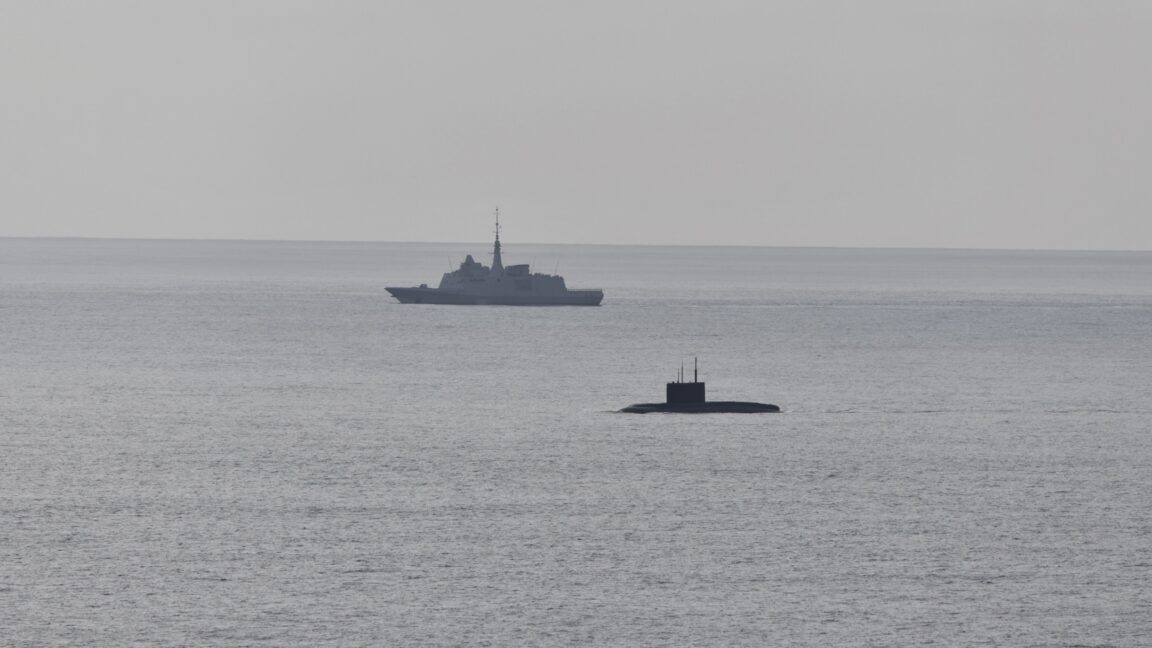
Recent events involving the Russian submarine Novorossiysk have sparked international attention and raised questions about the state of Russia’s naval capabilities. What initially appeared as a routine surfacing near France quickly evolved into a situation involving a suspected fuel leak, a shadowing by NATO warships, and concerns over potential infrastructure sabotage. This article provides a thorough overview of the incident, its potential causes, and the broader implications for maritime security.
The Incident Unfolds: From Transit to Tow
In mid-October 2025, the Novorossiysk, a Kilo-class diesel-electric submarine, surfaced unexpectedly off the coast of France while transiting the English Channel. Russia initially claimed this was a standard procedure, adhering to maritime transit regulations.However, this description was quickly challenged by reports circulating on social media channels historically linked to Russian security forces.
These reports suggested a far more serious issue: a significant fuel leak onboard the Novorossiysk. Sources indicated the submarine lacked the necessary onboard resources to address the problem, forcing it to surface and potentially vent flooded compartments. Some reports even warned of a dangerous explosion hazard.
Following its surfacing, the Novorossiysk proceeded north, closely monitored by warships from France, the United Kingdom, and the Netherlands. The Dutch navy confirmed the submarine was accompanied by the tugboat Yakov Grebelskiy, and that both vessels eventually left Dutch waters. While international waters are freely navigable, the Dutch navy emphasized their ”vigilance” in protecting critical submarine infrastructure from potential sabotage.
What We Know about the Novorossiysk
The Novorossiysk is a modern Kilo-class submarine (Project 636.3), commissioned in 2012. These submarines are known for their quiet operation and are considered a significant component of the Russian Navy’s fleet. However,recent analysis suggests a decline in the overall condition and operational readiness of Russia’s naval assets.
Here’s a rapid overview of the Kilo-class:
* Type: Diesel-electric submarine
* Commissioned: 2012 (Novorossiysk)
* Characteristics: Known for quiet operation and advanced weaponry.
* Role: Primarily designed for anti-ship and anti-submarine warfare.
Potential Causes and Concerns
The exact cause of the incident remains unconfirmed, but several possibilities are being considered:
* Fuel Leak: The most widely reported issue, potentially stemming from aging components or inadequate maintenance.
* Mechanical Failure: A broader mechanical malfunction could have triggered the surfacing and subsequent towing.
* Maintenance Issues: Reports suggest the Novorossiysk may have lacked the necessary spare parts and qualified personnel to address the problem independently.
This incident highlights growing concerns about the Russian Navy’s ability to maintain its fleet, notably in light of ongoing sanctions and logistical challenges. The reliance on a tugboat to assist a modern submarine raises questions about the vessel’s self-sufficiency and overall operational capability.
Implications for Maritime Security
The Novorossiysk incident has broader implications for maritime security in the region. The heightened vigilance displayed by NATO navies underscores the sensitivity surrounding Russian naval activity near critical infrastructure.
Consider these key takeaways:
* Increased NATO monitoring: Expect continued close monitoring of Russian naval movements.
* Infrastructure Protection: The incident reinforces the need to protect underwater infrastructure, such as pipelines and interaction cables.
* Potential for Escalation: While unlikely, the situation highlights the potential for miscalculation and escalation in a tense geopolitical habitat.
Evergreen Insights: The State of russia’s Naval Power
The Novorossiysk incident isn’t an isolated event. It’s part of a larger trend indicating a potential decline in the operational effectiveness of the Russian Navy. Factors contributing to this include:
* Sanctions: Restrictions on access to Western technology and components hinder maintenance and modernization efforts.
* budget Constraints: Economic pressures may limit funding for naval programs.
* Logistical Challenges: Maintaining a large fleet across vast distances presents significant logistical hurdles.
* Aging Fleet: A significant portion of the Russian Navy consists of aging vessels requiring extensive maintenance.
These factors collectively suggest that Russia’s naval power
Worth a look