The Rise of Private Military Companies: From Wagner to a Potential New World Order
the recent implosion of the Wagner Group, a once-formidable private military company (PMC), serves as a stark reminder of the evolving landscape of modern warfare.Led by Yevgeny Prigozhin, formerly a close ally of Russian President vladimir Putin, Wagner’s brief rebellion in 2023 – a challenge to the Russian Defense Ministry, and by some accounts, a coup attempt – dramatically illustrated the potential for instability inherent in the growing reliance on these non-state actors.
Wagner’s march on Moscow, tho lasting only a day and halting roughly 200km from the capital, marked a decisive defeat. It effectively ended Wagner’s existence as an autonomous military force. Just a month later, Prigozhin and co-founder Dimitri Utkin perished in a plane crash near St. Petersburg. Evidence suggests, according to sources like the BBC and Russian telegram channels, that Russian government air defense systems were responsible. Today, Wagner is reportedly under direct control of the Russian Ministry of Defense.
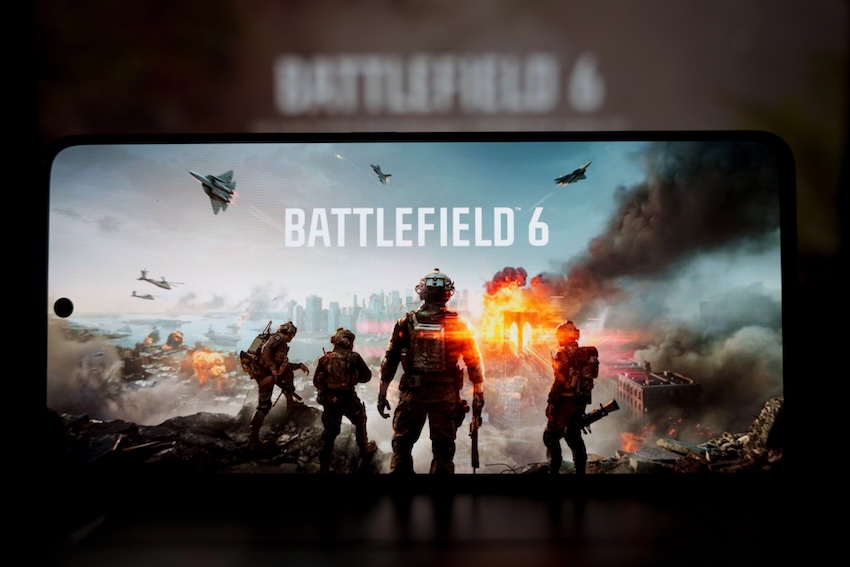
This trajectory - from cooperation to crisis to conflict – resonates with themes explored in fictional narratives like the Battlefield 6 storyline. While no PMC currently matches the capabilities and partnerships of Western governments, the possibility shouldn’t be dismissed. The current geopolitical climate suggests a future where mercenary organizations could attain power comparable to nation-states.
A World Weary of War
This potential shift isn’t occurring in a vacuum. The West is experiencing significant “war fatigue,” stemming from:
* Decades of unconventional warfare: Conflicts in Somalia, Iraq, Afghanistan, Syria, Yemen, and elsewhere have stretched resources and public patience.
* proxy war with Russia: The ongoing conflict in Ukraine has heightened tensions and anxieties.
* Shadow conflicts: Ongoing, less-publicized engagements with Iran and Venezuela add to the strain.
* Nuclear threats: A persistent standoff with North Korea keeps global security on edge.
* A new Cold War: Rising tensions with China further complicate the international landscape.
These ongoing crises fuel fears of a large-scale conventional war – a conflict not between terrorists and traditional militaries,but between major global powers.
The Implications for the Future of Conflict
The idea of powerful PMCs was once unthinkable, particularly during the period of American unipolarity following the Soviet Union’s collapse. But the world has changed. The emerging new world order is increasingly complex and unpredictable.
You and yoru governments face critical choices: peace, war, or the rise of powerful private armies. The increasing sophistication of technology in the hands of these entities presents a dangerous reality. no one is truly safe as organized violence becomes increasingly decentralized and possibly uncontrollable.
Battlefield 6 serves as a thematic warning of this future.While it offers a virtual space to engage in conflict, it also prompts us to consider the real-world implications of a world where the lines between state and non-state actors become increasingly blurred.
The future of organized violence is upon us, and understanding the rise of PMCs is crucial for navigating the uncertain times ahead.
Further Reading:
* The Guardian: Prigozhin’s March on Moscow – A chronology
* Reuters: Ten Killed in Private Jet crash North of Moscow
* AP News: Trump and Covert Operations
Keep reading