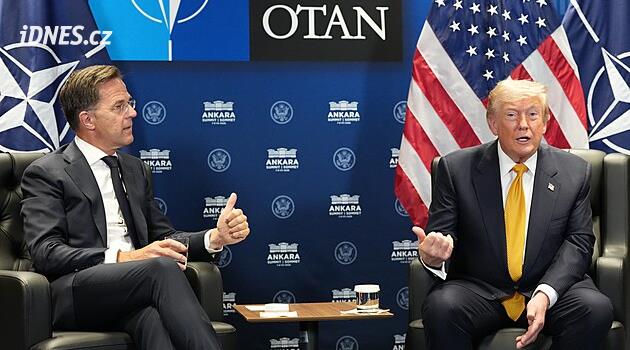
NATO is considering whether to cancel or postpone a planned leaders’ summit in Albania scheduled for 2025, citing concerns over the potential impact of Donald Trump’s return to the U.S. presidency, according to a report by Bloomberg. The alliance is weighing how a shift in American leadership might alter the strategic objectives and political atmosphere of the gathering.
The deliberation comes as NATO members navigate the uncertainty of a second Trump administration, characterized by the former president’s previous criticisms of the alliance and his demands that member states increase defense spending. The 2025 summit was intended to mark a significant milestone for Albania, but officials are now assessing if the timing aligns with the geopolitical reality of a new U.S. administration.
This potential shift in scheduling reflects a broader effort within the North Atlantic Council to ensure that high-level diplomatic events do not become platforms for instability or public discord. According to Bloomberg, the discussions are internal and focused on whether the summit’s goals can be effectively met given the current political trajectory in Washington.
The Strategic Risk of a 2025 Albania Summit
The primary driver behind the hesitation to proceed with the Albania summit is the unpredictability of U.S. foreign policy under Donald Trump. During his first term, Trump frequently questioned the utility of NATO and pressured European allies to meet the target of spending 2% of their GDP on defense. If these tensions resurface, alliance officials fear a summit could be derailed by bilateral disputes or unilateral policy shifts.

Albania has long sought to host the summit as a way to solidify its role within the alliance and demonstrate its commitment to collective defense. However, the alliance’s current leadership must balance Albania’s national ambitions against the risk of a fragmented summit. A meeting of leaders that fails to produce a unified communiqué would be viewed as a sign of weakness by adversaries, particularly Russia.
The timing is critical because the 2025 window coincides with the early months of a new U.S. presidential term. Historically, the first 100 days of a presidency are used to establish new priorities. If the U.S. administration signals a desire to pivot away from current European security commitments, a summit in Albania could become a venue for conflict rather than cooperation.
Trump’s Influence on NATO Defense Spending
A central point of contention for any upcoming summit is the “burden-sharing” debate. Donald Trump has repeatedly stated that the U.S. should not provide a security umbrella for nations that do not meet the 2% spending threshold. While many European nations have increased their budgets since 2016, several still fall short of the target.

According to data from NATO’s annual reports, the number of allies meeting the 2% guideline has grown, but the gap in absolute spending between the U.S. and the rest of the alliance remains vast. The U.S. continues to provide the bulk of the alliance’s high-end capabilities, including satellite intelligence and heavy airlift, which gives the U.S. president significant leverage over the alliance’s agenda.
If the summit proceeds, the agenda would likely be dominated by these financial disputes. NATO officials are concerned that such a focus would distract from urgent security threats, including the ongoing conflict in Ukraine and the stability of the Western Balkans. By delaying the summit, the alliance may gain more time to secure spending commitments from European capitals, thereby neutralizing some of Trump’s primary criticisms.
Implications for Albanian Diplomacy and Regional Stability
For Albania, the potential cancellation of the summit would be a diplomatic setback. Hosting a summit of this magnitude requires significant investment in infrastructure and security, and it serves as a global signal of a country’s stability and importance. The Albanian government has positioned itself as a reliable partner in the South East Europe region.
However, the regional context adds another layer of complexity. The Western Balkans remain a point of interest for both the U.S. and Russia. A summit in Tirana would have been a powerful statement of NATO’s presence in the region. If the event is moved or canceled, it may be interpreted by regional actors as a sign of hesitation or a lack of cohesion among the Western allies.
The decision will likely depend on the formal transition of power in the United States. NATO leadership typically coordinates closely with the U.S. State Department and the National Security Council to align the timing of summits with the priorities of the American president. Until a clear policy direction is established by the incoming administration, the status of the Albania summit remains precarious.
Comparing NATO’s Approach: 2016 vs. 2025
The current apprehension mirrors the tension seen during the 2016 Warsaw Summit, where Trump’s rhetoric regarding “delinquent” members first entered the mainstream diplomatic discourse. The difference in 2025 is that the alliance is now operating in a state of active conflict on its eastern flank, making the cost of disunity far higher than it was nearly a decade ago.

| Factor | 2016 Context (Warsaw) | 2025 Potential Context (Albania) |
|---|---|---|
| Primary Tension | Initial spending disputes | Existential questions on U.S. commitment |
| External Threat | Post-Crimea stabilization | Active high-intensity war in Ukraine |
| Alliance Status | Reacting to new rhetoric | Planning for systemic policy shifts |
The contrast shows that while the “Trump factor” is a recurring theme, the stakes have evolved. In 2016, the alliance could absorb the shock of provocative rhetoric. In 2025, with the security architecture of Europe being rewritten in real-time, the alliance cannot afford a public failure at a summit.
The next confirmed checkpoint for the alliance’s leadership will be the official transition period following the U.S. election, as NATO Secretary General Jens Stoltenberg’s successor and the new U.S. administration begin their initial consultations. Further updates on the 2025 summit schedule are expected following these high-level diplomatic exchanges.
We invite readers to share their perspectives on NATO’s strategic direction in the comments below.