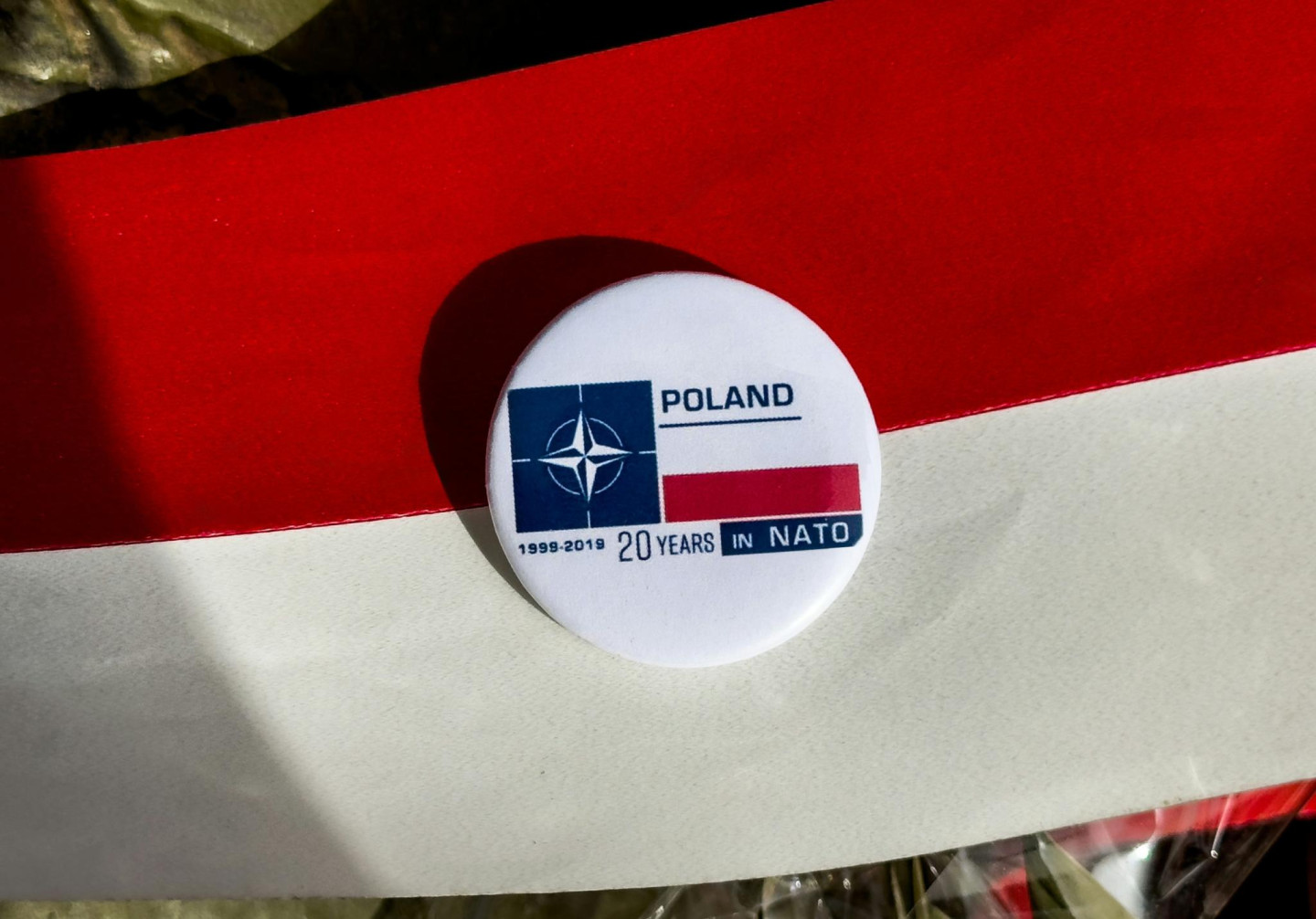
The escalating conflict in Ukraine and heightened tensions with Russia are forcing a critical reassessment of defense spending across Europe, particularly among NATO’s eastern flank. Recent statements from Polish Foreign Minister Radosław Sikorski underscore the immense financial undertaking that would be required to adequately defend against a potential Russian attack, estimating the cost at a staggering €1.2 trillion. This figure, representing 24 times Poland’s current defense budget, highlights the growing anxieties surrounding regional security and the demand for a substantial increase in collective defense capabilities.
Sikorski’s warning comes amid a broader discussion about the future of European security architecture and the role of the United States in safeguarding the continent. Although acknowledging the significant financial burden, Sikorski emphasized that Russia is not invincible, a sentiment aimed at countering Kremlin propaganda and bolstering resolve among NATO allies. The Polish Foreign Minister’s call for increased investment in defense is not solely focused on military hardware; it also recognizes the broader economic and social impacts of the conflict, including the influx of Ukrainian refugees and their contribution to the Polish economy.
The Scale of the Challenge: A €1.2 Trillion Estimate
The €1.2 trillion figure cited by Sikorski represents a comprehensive estimate of the costs associated with bolstering NATO’s eastern flank, encompassing everything from increased military deployments and infrastructure upgrades to the procurement of advanced weaponry and the development of robust air defense systems. While the exact breakdown of these costs remains unclear, the sheer magnitude of the number underscores the scale of the challenge facing the alliance. According to a report by the Kiel Institute for the World Economy, European Union member states and the EU itself have provided Ukraine with approximately €200 billion in aid since February 2022, demonstrating a significant, but still insufficient, commitment to countering Russian aggression. Kiel Institute for the World Economy
The need for such substantial investment stems from a fundamental shift in the geopolitical landscape. Russia’s invasion of Ukraine has shattered the post-Cold War security order in Europe, prompting a reassessment of long-held assumptions about the likelihood of large-scale conventional warfare. NATO has responded by increasing its military presence in Eastern Europe, deploying additional troops and equipment to countries bordering Russia, and Ukraine. However, these deployments are largely temporary and require sustained investment to become permanent and truly effective.
Poland’s Leading Role and Concerns About US Commitment
Poland has emerged as a vocal advocate for a stronger NATO presence in Eastern Europe, consistently pushing for increased defense spending and a more assertive stance towards Russia. The country shares a 443-kilometer border with Ukraine and a history of strained relations with Moscow, making it particularly vulnerable to potential Russian aggression. Sikorski reiterated Poland’s unwavering commitment to the alliance, emphasizing that Washington remains Warsaw’s most vital military partner. However, he also cautioned against complacency, stating that Poland cannot afford to be “naive” in its expectations of US support. Reuters
This sentiment reflects a growing sense of unease in some Eastern European capitals about the potential for a shift in US foreign policy, particularly in light of the upcoming presidential election. Sikorski referenced historical precedents, including the 1945 Yalta Conference, where the United States and the Soviet Union carved up Eastern Europe into spheres of influence. He also pointed to the fact that both the United States and China abstained from a United Nations General Assembly vote on Ukraine’s territorial integrity, raising questions about the long-term reliability of US support for Ukraine and its allies.
Economic Impact of Ukrainian Refugees in Poland
Beyond the military implications, Sikorski also highlighted the economic impact of the large influx of Ukrainian refugees into Poland. Since the start of the war, Poland has taken in over 3.5 million Ukrainian refugees, making it the largest recipient of Ukrainian refugees in Europe. UNHCR Sikorski noted that these refugees have contributed approximately 100 billion zloty (roughly €24 billion) to the Polish GDP, demonstrating the positive economic effects of providing humanitarian assistance. However, he also acknowledged the challenges associated with integrating such a large number of refugees into the Polish economy and social fabric.
NATO’s Response and the Path Forward
NATO has significantly increased its military presence in Eastern Europe since the start of the war in Ukraine, deploying additional troops and equipment to countries bordering Russia and Ukraine. The alliance has also activated its Response Force, a rapid-reaction force designed to respond to crises quickly. However, these measures are largely defensive in nature and are not designed to directly intervene in Ukraine. The debate over whether to provide Ukraine with more direct military assistance, including the deployment of NATO troops, remains a contentious issue within the alliance.
The question of funding remains a central challenge. While many NATO members have pledged to increase their defense spending to meet the alliance’s target of 2% of GDP, progress has been uneven. The €1.2 trillion estimate place forward by Sikorski serves as a stark reminder of the scale of the investment required to effectively deter Russian aggression and safeguard the security of NATO’s eastern flank. Achieving this level of investment will require a sustained commitment from all NATO members, as well as a willingness to prioritize defense spending over other competing priorities.
The Role of the United States
The United States remains the cornerstone of NATO’s defense capabilities, providing a significant portion of the alliance’s military resources and leadership. However, as Sikorski’s remarks suggest, there is growing concern in Eastern Europe about the potential for a decline in US commitment to the alliance. The outcome of the upcoming US presidential election could have a significant impact on the future of US-European relations and the overall security of the transatlantic alliance. Maintaining a strong and reliable US presence in Europe is crucial for deterring Russian aggression and ensuring the long-term stability of the region.
Recent polling data suggests a growing skepticism among the Polish public regarding the reliability of the United States as an ally. A recent survey found that 54 percent of Poles do not consider the United States a trustworthy ally, while 35 percent hold the opposite view. This shift in public opinion underscores the need for the United States to reaffirm its commitment to NATO and to address the concerns of its Eastern European allies.
The challenges facing NATO are multifaceted and require a comprehensive and coordinated response. Increased defense spending, a stronger US commitment, and a willingness to address the broader economic and social impacts of the conflict are all essential for safeguarding the security of Europe and deterring further Russian aggression. The path forward will require a sustained commitment from all NATO members, as well as a clear understanding of the evolving geopolitical landscape.
Looking ahead, the NATO Defense Ministers are scheduled to meet in Brussels in June 2024 to discuss the alliance’s long-term defense plans and to address the challenges posed by Russia. This meeting will be a crucial opportunity for NATO members to reaffirm their commitment to collective defense and to chart a course for the future. Readers are encouraged to follow updates from NATO’s official website for the latest developments. NATO Official Website
What are your thoughts on the future of NATO and the challenges facing Europe? Share your comments below and join the conversation.
Related reading