
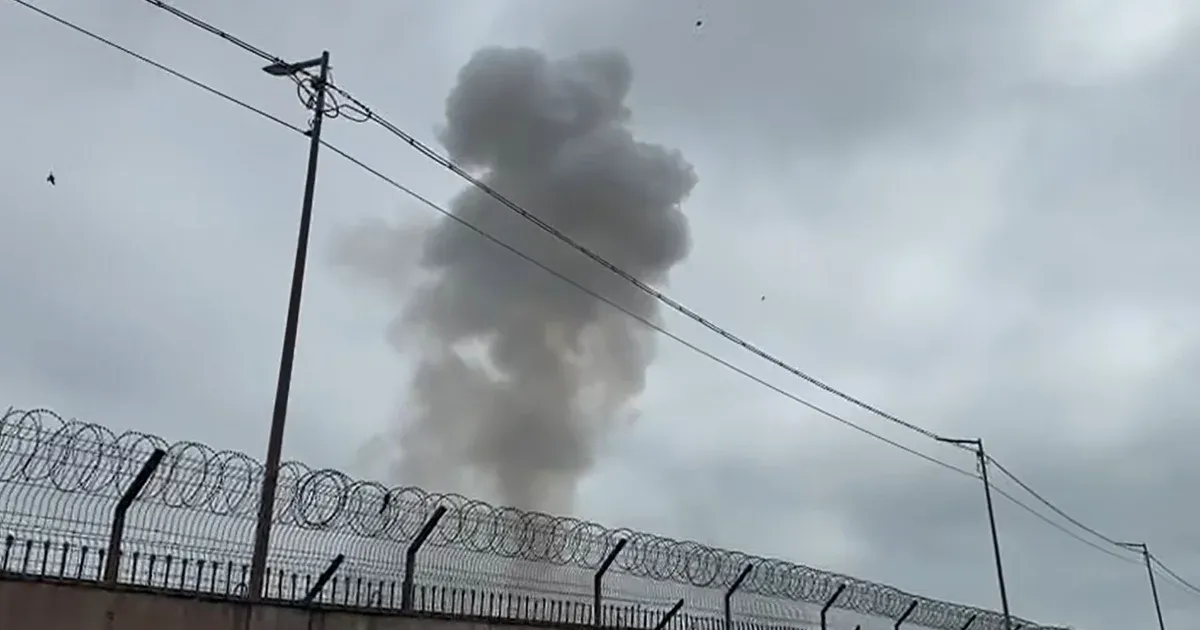
As the conflict in Ukraine continues to reverberate across its borders, regional security concerns have intensified following reports of a drone incident near Romania’s critical maritime infrastructure. For those of us monitoring the geopolitical landscape from Sofia, the implications of such events are felt acutely, raising urgent questions about territorial integrity and the collective defense mechanisms of the North Atlantic Treaty Organization (NATO).
The incident, which reportedly involved an uncrewed aerial vehicle near Romania’s busiest maritime port, has prompted immediate diplomatic and military scrutiny. As a journalist who has spent over 14 years documenting the complexities of Eastern European security, I recognize this moment as a critical juncture for regional stability. The presence of such technology near vital civilian and trade hubs underscores the volatility of the current security environment in the Black Sea region, where the ongoing war in Ukraine continues to test the boundaries of neighboring nations.
Geopolitical Tensions and the NATO Framework
NATO’s role as a system of collective security is central to understanding the response to such incidents. Under the alliance’s framework, member states are committed to mutual defense, a principle enshrined in Article 5 of the North Atlantic Treaty. While investigations into the origin and intent of the drone are ongoing, the proximity of these developments to NATO territory serves as a stark reminder of the alliance’s commitment to protecting its members. As noted by the North Atlantic Council’s recent visit to Kyiv, the alliance remains firmly focused on the security implications of the conflict.

The regional reaction has been characterized by a blend of diplomatic caution and military vigilance. Leaders across Europe are navigating the delicate balance between maintaining a robust deterrent posture and avoiding further escalation. The focus remains on transparency, with regional authorities working to verify the technical details of the debris or impact sites to determine the drone’s flight path and origin.
The Security Landscape in the Black Sea
Romania’s maritime ports, particularly those along the Black Sea coast, are essential conduits for regional trade and global supply chains. Any disruption or threat to these facilities has immediate economic consequences that extend far beyond the local level. The incident highlights the vulnerability of critical infrastructure to modern, low-cost drone technology, which has become a staple of the current conflict.

For international observers, the key challenge is twofold: ensuring the safety of civilian maritime operations while maintaining a defensive posture that discourages further incursions. The integration of advanced surveillance and interception capabilities has become a priority for many nations in the region as they adapt to the evolving nature of aerial threats. This shift is not merely a military necessity but a vital component of maintaining public confidence in the face of persistent regional instability.
Looking Ahead: Accountability and Oversight
As investigations proceed, the international community awaits definitive findings regarding the drone’s provenance. The process of forensic analysis is rigorous, involving experts who must distinguish between equipment malfunctions, navigation errors and intentional hostile acts. These findings will be pivotal in shaping the subsequent diplomatic discourse.
Effective communication between regional capitals and international bodies remains the most reliable pathway to de-escalation. By relying on verified data and official reports, stakeholders can prevent the spread of misinformation, which often thrives in the immediate aftermath of such incidents. The focus of the coming days will be on the official assessments provided by the Romanian Ministry of National Defence and the subsequent coordination within the NATO framework.
The next official updates are expected as forensic teams conclude their on-site investigations and share findings with regional partners. We will continue to track these developments closely. I invite our readers to share their perspectives on the evolving security challenges in the Black Sea region in the comments section below, and I encourage you to share this report to help maintain a well-informed discourse on these critical global affairs.