
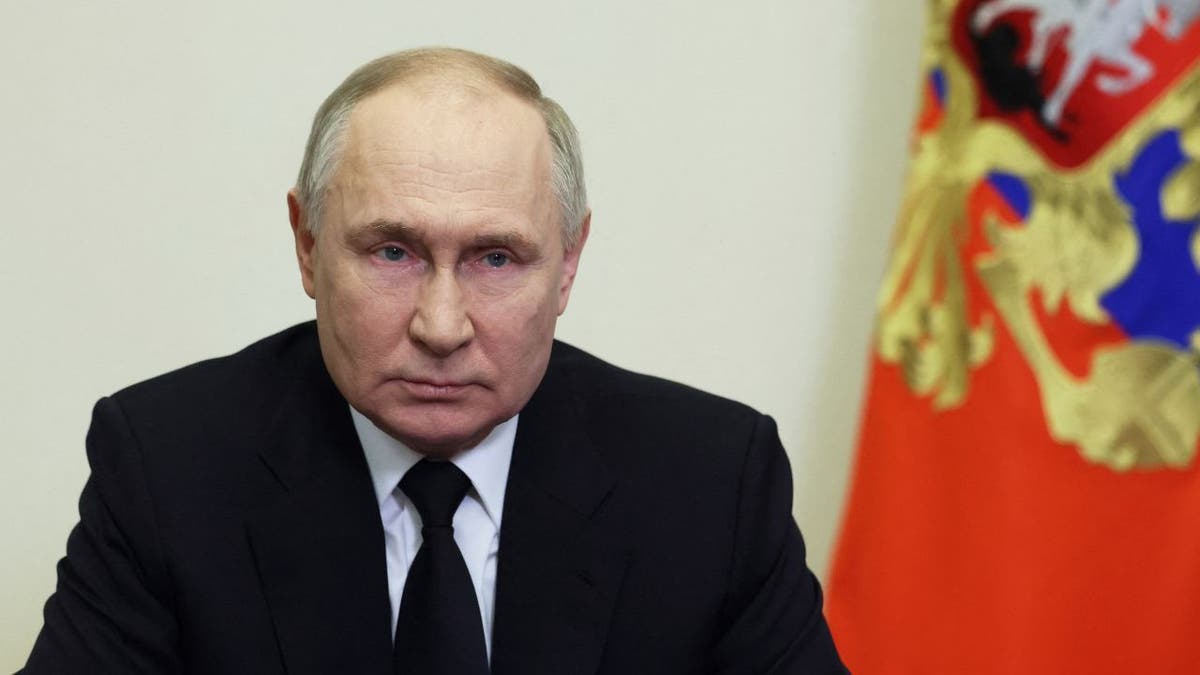
Russian President Vladimir Putin has accused Western nations of preparing for war, escalating tensions with NATO to levels not seen since the Cold War. The remarks, delivered in a nationally televised address, come amid heightened military activity along Russia’s western borders and growing concerns over a potential NATO-Russia confrontation. Analysts warn this could mark a turning point in the Ukraine war, with both sides now openly discussing direct conflict scenarios.
Putin’s warning—delivered during a meeting with defense officials on May 15, 2024—follows months of escalating rhetoric from Moscow, including threats to expand the Ukraine conflict and accusations that NATO is arming Kyiv for an offensive. Western leaders, including U.S. President Joe Biden and NATO Secretary-General Jens Stoltenberg, have dismissed the claims as baseless, but military deployments and intelligence reports suggest a new phase of confrontation may be unfolding.
This article examines the latest developments, the historical context of NATO-Russia tensions, and what could happen next—from potential military flashpoints to diplomatic deadlocks. With both sides now openly discussing the possibility of direct war, the question is no longer if but when and where the next major escalation will occur.
What Did Putin Say—and Why Does It Matter?
During his address, Putin stated: “The West is openly preparing for war with us. They are creating conditions for a direct confrontation, and we must respond accordingly.” The remarks, carried live by Russian state media, included references to NATO’s enhanced Forward Presence in Eastern Europe and the deployment of U.S. long-range missiles in Germany.
Western officials have rejected the accusations. A NATO spokesperson told Reuters that the alliance remains committed to defensive deterrence and that Russia’s claims are “part of a long-standing pattern of disinformation”. However, intelligence assessments from U.S. intelligence agencies indicate that Russia has increased troop movements near OSCE-monitored borders in Belarus and Ukraine’s eastern regions.
What makes Putin’s latest warning significant is the shift in tone. Unlike previous threats—often framed as responses to NATO expansion—this rhetoric explicitly ties Western military buildup to preparation for war. Historically, such language has preceded major escalations, including the 2022 invasion of Ukraine and the 2008 Georgia conflict.
NATO’s Response: Dismissal or Alarm?
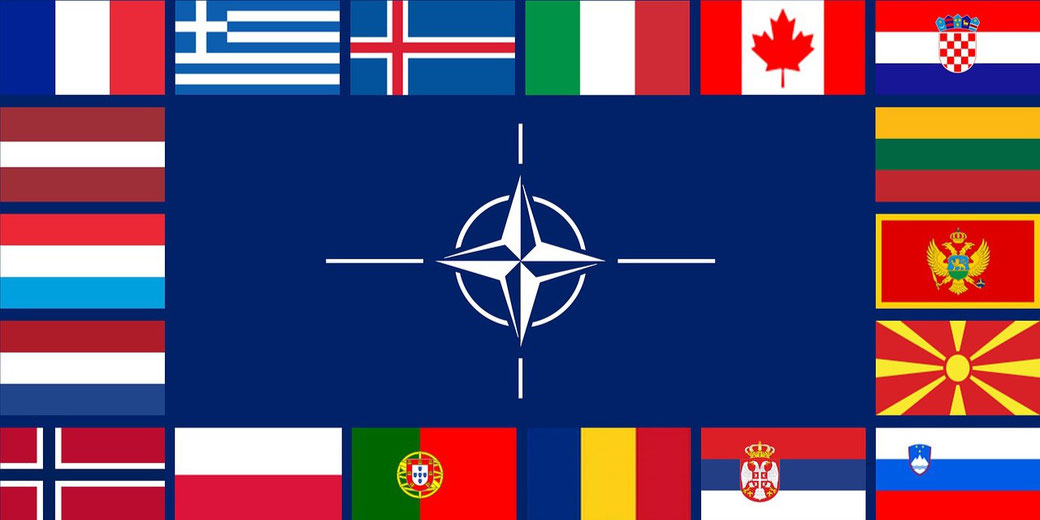
While NATO leaders have publicly downplayed the risks, internal assessments suggest a growing sense of urgency. A Financial Times report from May 16 cited unnamed diplomats stating that alliance members are now discussing “contingency plans for a broader conflict”. These plans include:
- Enhanced air defense: Deployment of additional Patriot missile systems to Poland and Romania.
- Cyber deterrence: Expanded NATO Cyber Defense Center operations targeting Russian state-backed hacking groups.
- Intelligence sharing: Increased real-time data exchanges between NSA and European counterparts on Russian troop movements.
Meanwhile, the U.S. has accelerated arms deliveries to Ukraine, including the first batch of ATACMS long-range missiles, which Putin has directly linked to his warnings. A Pentagon official told The Wall Street Journal that the shipments are “not intended to provoke but to ensure Ukraine’s ability to defend itself”.
Historical Parallels: How Close Are We to a NATO-Russia War?
The current standoff echoes three critical moments in modern NATO-Russia relations:
| Event | Year | Key Escalation | Outcome |
|---|---|---|---|
| Cuban Missile Crisis | 1962 | U.S. blockade of Soviet ships carrying missiles to Cuba | Diplomatic resolution; hotline established |
| Georgia War | 2008 | Russian invasion following Georgian military action in South Ossetia | Ceasefire; NATO expansion paused |
| Ukraine Invasion | 2022 | Full-scale Russian offensive after NATO refusal to recognize Ukrainian sovereignty | Ongoing war; no direct NATO-Russia conflict |
Unlike 2008 or 2022, today’s tensions involve direct threats from both sides. While NATO’s Article 5 collective defense clause remains untested, Russia’s 2020 military doctrine explicitly states that a NATO attack on Russia would trigger a nuclear response. This creates a “use it or lose it” dynamic that analysts describe as “the most dangerous since the Cuban Missile Crisis”.
Where Are the Flashpoints?
Three regions are currently under the highest risk of escalation:
1. Belarus: Russia’s Northern Front
Belarusian President Alexander Lukashenko has granted Russia unrestricted use of its airspace and rail networks, allowing for rapid troop movements toward NATO’s eastern flank. Satellite images from Maxar Technologies show increased activity at the OSCE’s Brest border monitoring post, where Russian forces have conducted large-scale exercises.
2. Black Sea: Naval Standoff
The Black Sea remains a potential flashpoint, with Russia’s Black Sea Fleet conducting unprecedented drills near Crimea. NATO’s Standing Naval Force has responded with increased patrols, raising concerns over a possible Senkaku/Diaoyu-style confrontation in international waters.
3. Baltic States: The Litmus Test
Estonia, Latvia, and Lithuania—home to NATO’s largest troop presence east of the Elbe—are bracing for potential hybrid attacks. Russian state media has amplified disinformation campaigns targeting ethnic Russian communities in the Baltics, a tactic used before the 2022 invasion. Local officials report “a surge in cyberattacks and sabotage threats”.
Diplomatic Deadlock: Can Talks Prevent War?
Despite the rhetoric, both sides have shown limited interest in serious negotiations. The last meaningful dialogue occurred in Istanbul in 2022, where Russia demanded NATO’s “permanent demilitarization”—a non-starter for the alliance. Since then:
- Russia has proposed a “security guarantee treaty”, which NATO has rejected as “unacceptable”.
- NATO has offered confidence-building measures, including transparency on military exercises—but Russia has dismissed them as “cosmetic”.
- China, Russia’s key ally, has reiterated support for Moscow’s position but stopped short of endorsing military action.
With no clear off-ramp, analysts warn that “the window for diplomacy is closing”. The next potential breakthrough—or breakdown—could come at the July NATO summit in Washington, where members are expected to finalize “emergency war plans” for a potential Russian attack.
What Happens Next? Three Possible Scenarios
Experts have identified three plausible trajectories for the coming months:
- Controlled Escalation: Limited strikes (e.g., cyberattacks, sabotage in the Baltics) to test NATO’s resolve without full-scale war. Risk: High—could spiral into broader conflict.
- Diplomatic Freeze: Both sides dig in, with no major military moves but sustained rhetorical warfare. Risk: Moderate—prolonged tension increases accident risk.
- Direct Confrontation: A miscalculation (e.g., NATO air patrol intercepting a Russian jet, or a false-flag attack) triggers Article 5. Risk: Catastrophic—potential nuclear escalation.
According to RAND Corporation analysts, the most likely outcome in the short term is “a prolonged standoff with periodic low-level clashes”. However, the Brookings Institution warns that “the probability of a major escalation increases by 30% if no de-escalation steps are taken by August”.
How Can Civilians Prepare?
While the risk of direct NATO-Russia war remains low, experts recommend these precautions:
- In Eastern Europe: Follow NATO’s civil defense guidelines, including identifying emergency shelters and stockpiling supplies.
- In the U.S./Western Europe: Monitor FEMA advisories for potential disruptions in energy or supply chains.
- Cybersecurity: Enable multi-factor authentication and avoid clicking on links from unknown sources.
For real-time updates, bookmark:
Key Takeaways
- Putin’s latest warnings mark a shift from defensive rhetoric to explicit war preparations. The language mirrors pre-2022 invasion statements.
- NATO is responding with military deployments but maintains diplomatic channels remain open. However, internal documents suggest contingency planning for broader conflict.
- The biggest risks lie in miscalculation—whether in the Black Sea, Baltics, or cyber domain. A single incident could trigger uncontrolled escalation.
- Diplomatic solutions appear unlikely without major concessions from both sides. The next critical juncture is the July NATO summit.
The next confirmed checkpoint is the July 9–11 NATO summit in Washington, where members are expected to finalize emergency war plans. Meanwhile, the UN Security Council is scheduled to hold an emergency session on May 22 to discuss the escalating tensions.
What do you think—is this a bluff, or the calm before a storm? Share your analysis in the comments below, and don’t forget to follow World Today Journal for real-time updates on this developing story.