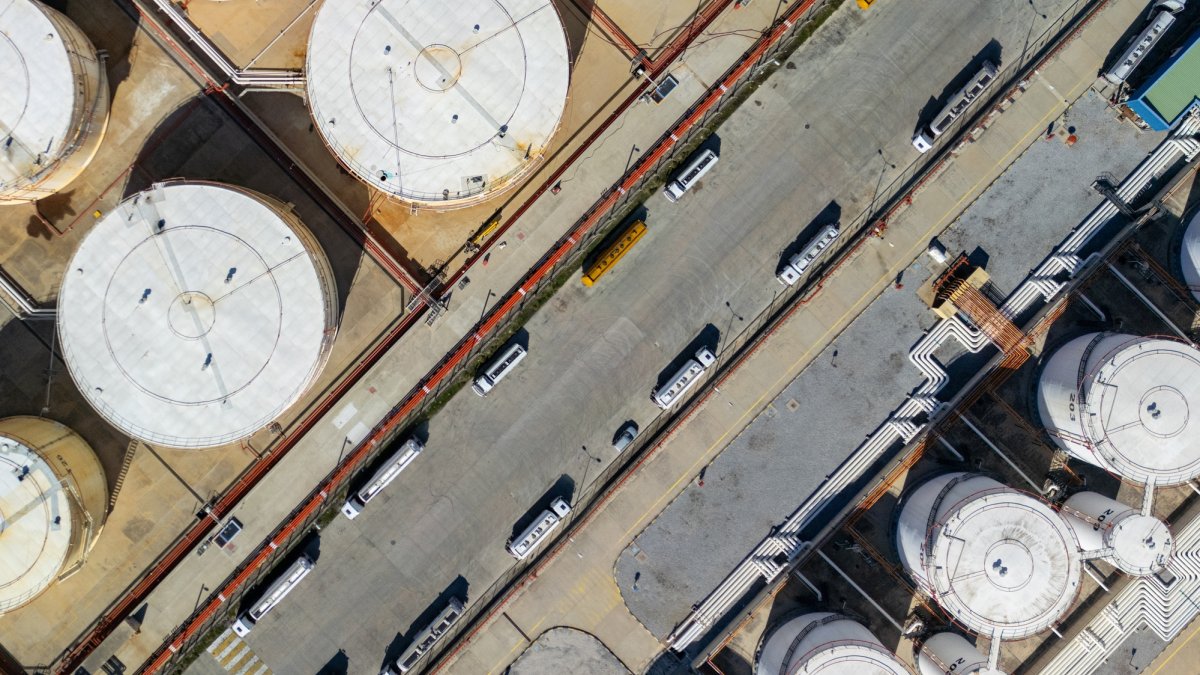
Energy security has emerged as a critical pillar of NATO’s strategic agenda, moving from a peripheral concern to a central element of the alliance’s collective defense and deterrence posture. As geopolitical tensions disrupt global supply chains and state actors increasingly leverage energy exports as tools of economic coercion, the North Atlantic Treaty Organization is recalibrating its focus to protect the critical infrastructure and energy systems underpinning member nations’ economies.
Historically, NATO’s involvement in energy security was limited, largely because the alliance viewed energy markets as primarily the domain of sovereign states and private corporations. However, the shift in the global security environment—marked by the weaponization of energy supplies—has necessitated a formal, integrated approach. According to the NATO official portal on energy security, the alliance now recognizes that the stability of energy supplies is essential to the readiness of its armed forces and the resilience of its civilian populations.
The Evolution of NATO’s Energy Mandate
The transition toward prioritizing energy security reflects a broader understanding of “hybrid threats.” While the 2010 Strategic Concept mentioned energy security, the focus has intensified following successive supply crises and the sabotage of critical subsea infrastructure. The Vilnius Summit Communiqué of 2023 explicitly highlighted the protection of critical infrastructure as a priority, noting that attacks against such assets could challenge the security of the alliance as a whole. This represents a significant evolution from the Cold War era, where energy was viewed largely through the lens of economic trade rather than military vulnerability.
For the alliance, energy security is now defined by three core functions: supporting the operations of NATO forces, protecting critical infrastructure, and fostering energy resilience among member states. The NATO Energy Security Centre of Excellence, based in Vilnius, Lithuania, serves as the primary hub for this mission. The center provides analysis and training to ensure that military forces can maintain operational capability even during severe energy supply disruptions.
Protecting Critical Subsea Infrastructure
The vulnerability of subsea cables and pipelines has become a major focus for NATO commanders. Following the damage to the Nord Stream pipelines in September 2022, member states recognized that the vast network of underwater energy and data infrastructure was susceptible to sabotage. In response, NATO established the Critical Undersea Infrastructure Coordination Cell to enhance situational awareness and share intelligence across the alliance.

This initiative represents a shift toward active monitoring. By utilizing surveillance assets, including drones and maritime patrol aircraft, NATO is working to deter potential adversaries from targeting the energy grids that power Europe and North America. The coordination cell facilitates a faster, more unified response to suspicious activity near sensitive infrastructure, moving beyond mere reactive policy to a proactive posture of collective protection.
Energy Transition and Military Resilience
As member nations transition toward renewable energy sources to meet climate goals, NATO faces a dual challenge: ensuring the reliability of green energy grids while maintaining the ability to operate in high-intensity conflict environments. The NATO Climate Change and Security Impact Assessment notes that energy transitions, if not managed correctly, could create new dependencies on hostile actors for critical minerals and technology.
The alliance is currently focused on “energy efficiency” as a military force multiplier. According to the NATO Energy Security framework, reducing the fuel demand of military units not only lowers logistics requirements—thereby reducing the number of vulnerable fuel convoys—but also enhances operational agility. By investing in hybrid technologies and decentralized power generation, NATO aims to ensure that its forces remain effective even if centralized power grids are compromised during a conflict.
Strategic Challenges and Future Outlook
The path forward involves balancing national sovereignty with collective security requirements. While NATO provides the framework for cooperation, the actual energy infrastructure remains under the jurisdiction of individual member states. The challenge lies in harmonizing security standards across 32 nations with diverse energy mixes, ranging from heavy reliance on natural gas to those heavily invested in nuclear or wind power.

The next major checkpoint for these initiatives will occur at upcoming ministerial meetings where defense ministers are expected to review the progress of the Undersea Infrastructure Coordination Cell and assess new threats to the energy grid. Cooperation between NATO and the European Union is also expected to deepen, as the EU manages the regulatory aspects of energy markets while NATO provides the security umbrella for the physical assets.
As the alliance looks to its future in an increasingly volatile global landscape, the integration of energy security into its core defense strategy is no longer a matter of policy preference, but a necessity for operational survival. The ability to guarantee a secure, resilient energy supply will likely determine the success of future collective defense efforts, ensuring that member states remain shielded from both kinetic threats and economic coercion.
We welcome your insights on the evolving role of international alliances in protecting critical infrastructure. Please share your thoughts in the comments section below or join the discussion on our social media channels to stay updated on the latest developments in global security policy.