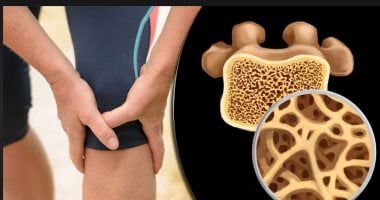
Natural compounds from turmeric and ginger are showing promise in improving the success rate of bone implants while simultaneously fighting bacterial infections and cancer cells, according to recent scientific studies. Researchers have found that coating metal implants with extracts from these common spices enhances bone integration and reduces complications associated with joint replacements and fracture repairs.
The findings, reported in multiple studies published in April 2026, indicate that the natural compounds can double the strength of bone-to-implant connection within six weeks. In laboratory tests, the ginger-turmeric extract eliminated more than 90% of bacteria present on implant surfaces and significantly reduced cancer-associated cells, offering a potential dual-action solution for patients undergoing orthopedic procedures.
Bone implants, such as those used in hip and knee replacements, sometimes fail due to poor integration with surrounding bone tissue or the development of bacterial biofilms on the implant surface. These complications can lead to implant loosening, chronic infection and the require for revision surgery. The modern approach aims to address both biological and mechanical challenges by leveraging the anti-inflammatory, antimicrobial, and anticancer properties of curcumin (from turmeric) and gingerol (from ginger).
According to a study published by researchers at a U.S. University and highlighted in scientific news outlets, the bioactive compounds were incorporated into a special coating applied to metallic implants. This coating not only promoted osteoblast activity—the cells responsible for bone formation—but also created an unfavorable environment for bacterial growth and cancer cell proliferation.
The research builds on decades of traditional use of turmeric and ginger in Ayurvedic and Chinese medicine, where both roots have been valued for their healing properties. Modern science is now validating these historical applications through controlled laboratory and preclinical trials, demonstrating how ancient remedies can be adapted for use in cutting-edge medical technology.
One study, published in a specialized medical journal, described how the natural extract contributed to faster healing around the implant site, with nearly double the rate of bone integration observed in treated samples compared to controls. The same study reported a reduction in inflammatory markers and a significant decrease in viable Staphylococcus aureus and Pseudomonas aeruginosa bacteria—common culprits in post-surgical infections.
Another investigation focused on the anticancer potential of the compounds, noting that curcumin has been shown in prior research to interfere with signaling pathways involved in tumor growth and metastasis. When applied to implant surfaces, the ginger-turmeric mixture appeared to suppress the viability of osteosarcoma cells in laboratory cultures, though researchers emphasized that these findings are preliminary and require further validation in animal models and human trials.
Scientists involved in the work stressed that the goal is not to replace conventional antibiotics or cancer therapies but to create a multifunctional implant surface that reduces reliance on systemic drugs and lowers the risk of long-term complications. By integrating protective properties directly into the implant, the approach could minimize side effects associated with prolonged antibiotic use or chemotherapy.
The use of 3D printing technology in manufacturing custom bone implants has made it easier to apply such bioactive coatings uniformly across complex geometries. Researchers noted that combining additive manufacturing with natural compound delivery represents a convergence of traditional medicine and advanced biomedical engineering.
While the results are encouraging, experts caution that human clinical trials are still needed to confirm safety and efficacy. Regulatory approval processes for such hybrid biomaterials would require extensive testing to ensure that the coatings do not degrade too quickly, trigger immune responses, or interfere with implant mechanics.
For patients facing joint replacement or bone reconstruction surgery, the prospect of implants that actively support healing while resisting infection and tumor growth could mean shorter recovery times, fewer complications, and improved long-term outcomes. As research continues, turmeric and ginger—once confined to kitchen cabinets—may find a new role in the operating room.
To stay informed about advances in biomaterials and implant technology, readers can follow updates from authoritative sources such as the National Institutes of Health (National Institutes of Health) and the U.S. Food and Drug Administration’s Center for Devices and Radiological Health (FDA Medical Devices).
Share your thoughts on this developing story in the comments below, and help spread awareness by sharing this article with others interested in medical innovation and natural health approaches.
Related reading
- Does Estrogen Therapy Reduce Alzheimer’s Brain Pathology in Older Women?
- Serinlemek İsterken Dikkat: Buzlu Kahveler Gizli Şeker Tuzağı Olabilir
- The Office Star Lucy Davis Announces Incurable Breast Cancer Diagnosis (world-today-news.com)
- Free Cancer Wellness & Exercise Program: Rebuild Strength and Health (archyworldys.com)