
Plant-based repellents such as Oil of Lemon Eucalyptus (OLE) provide effective protection against mosquitoes, though many common essential oils like citronella require much more frequent application to remain functional. While several natural substances can deter insects, health authorities emphasize that not all plant-derived products offer the same level of defense against mosquito-borne diseases.
As global temperatures rise and the habitats of various mosquito species expand, the risk of contracting mosquito-borne illnesses increases. According to the World Health Organization (WHO), vector-borne diseases such as dengue, malaria, and Zika virus pose significant threats to public health worldwide. This rising threat has driven a surge in consumer interest in natural mosquito repellent alternatives to traditional synthetic chemicals like DEET.
However, the distinction between a product that smells pleasant and one that provides medical-grade protection is significant. Understanding the scientific efficacy and regulatory status of these substances is essential for anyone seeking to prevent mosquito bites without relying on conventional synthetics.
Why do some natural repellents work better than others?
The effectiveness of a repellent depends on its ability to mask the chemical signals humans emit, such as carbon dioxide and lactic acid, which mosquitoes use to locate hosts. Most natural repellents work by creating a scent barrier or by interfering with the mosquito’s olfactory receptors.
The primary reason for the varying success of natural options lies in the volatility of the active compounds. Many essential oils are highly volatile, meaning they evaporate quickly when exposed to air and skin temperature. Once the scent dissipates, the mosquito’s ability to detect the human host is restored. This is why a user might find that a citronella candle works for a short period, but a topical essential oil application fails within minutes.
To be considered a reliable defense, a repellent must maintain a consistent concentration of its active ingredient on the skin for a sufficient duration. For this reason, the Centers for Disease Control and Prevention (CDC) maintains specific recommendations regarding which ingredients provide long-lasting protection. While many “natural” products are marketed as effective, they often lack the rigorous testing required to prove they can prevent disease transmission over several hours.
The science behind Oil of Lemon Eucalyptus (OLE)
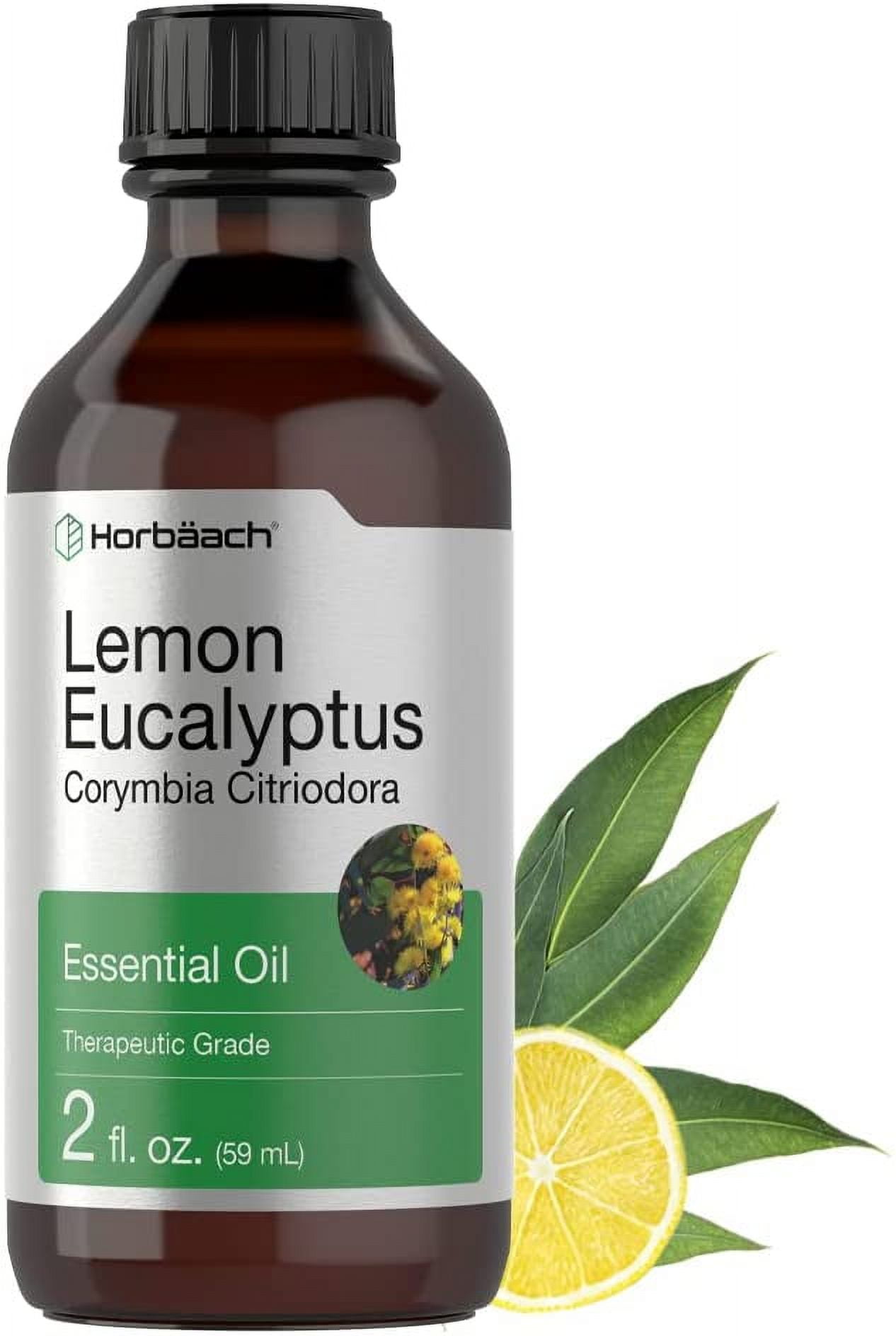
Among all plant-based options, Oil of Lemon Eucalyptus (OLE) stands out as the most scientifically validated. It is important to distinguish between “Lemon Eucalyptus essential oil” and “Oil of Lemon Eucalyptus (OLE).” The latter is a concentrated formulation produced from the leaves of the Corymbia citriodora tree, and it is the only plant-based repellent recommended by the CDC for protection against mosquito-borne diseases.

The active component in OLE is a compound called para-menthane-3,8-diol (PMD). Research has shown that PMD can provide protection levels comparable to low concentrations of DEET. According to the U.S. Environmental Protection Agency (EPA), OLE-based products are registered and regulated, meaning they have met specific standards for efficacy and safety.
When applying OLE, users should look for products specifically stating they contain PMD. Because it is a concentrated botanical extract, it serves as a legitimate alternative for individuals who wish to avoid synthetic chemicals but still require a high level of protection during peak mosquito activity. However, because it is a potent substance, it should be used with the same care as any other active repellent.
Comparing common natural alternatives
Not all botanical substances are created equal. While lavender, peppermint, and citronella are popular in aromatherapy and DIY home remedies, their performance as insect repellents varies wildly.
Citronella oil is perhaps the most famous natural repellent, frequently used in candles and coils. While it can provide a temporary barrier, studies suggest its duration of effectiveness is much shorter than synthetic or OLE-based options. It is often more effective at masking scents in a localized area, such as a patio, rather than providing continuous skin protection.
Lavender and peppermint oils are often cited for their soothing properties and mild repellent effects. While they may deter some insects, they do not offer the sustained protection required to prevent bites in areas where mosquito populations are high or where disease-carrying species are present. These are best viewed as supplementary measures rather than primary defenses.
The following table compares the most common repellent categories based on current scientific understanding and regulatory guidance:
| Repellent Type | Primary Active Ingredient | Efficacy Duration | Regulatory Status |
|---|---|---|---|
| Synthetic (Standard) | DEET | High (2–10+ hours) | EPA-Registered |
| Plant-Based (Validated) | Oil of Lemon Eucalyptus (PMD) | Moderate to High | EPA-Registered / CDC Recommended |
| Essential Oils | Citronella, Lavender, Peppermint | Low (often <30 mins) | Unregulated as repellents |
| Synthetic (Gentle) | Picaridin | High | EPA-Registered |
Safety and application for families
When transitioning to natural repellents, safety remains a critical factor, particularly for children and individuals with sensitive skin. The concentration of essential oils can cause significant skin irritation or allergic reactions if not used correctly.

A vital safety note regarding Oil of Lemon Eucalyptus (OLE): The CDC advises that OLE should not be used on children under the age of three. This recommendation is based on the potency of the PMD compound and the potential for adverse reactions in very young children. For toddlers and infants, healthcare providers typically recommend alternative methods, such as using mosquito netting over strollers or ensuring they wear long-sleeved clothing.
For adults using essential oils, dermatologists recommend the following precautions:
- Dilution is necessary: Never apply undiluted essential oils directly to the skin. Always mix them with a carrier oil, such as coconut or jojoba oil.
- Patch testing: Apply a small amount of the diluted mixture to a tiny area of skin to check for redness or irritation before full application.
- Avoid sensitive areas: Keep all repellents away from the eyes, mouth, and open wounds.
- Sun exposure: Some citrus-based oils can increase skin sensitivity to UV rays (photosensitivity). Use caution when applying these products before spending time in direct sunlight.
How to prevent mosquito-borne diseases effectively
Relying solely on topical repellents is only one part of a comprehensive prevention strategy. Public health experts suggest a multi-layered approach to minimize the risk of mosquito bites and the subsequent transmission of viruses.
Environmental management is a key component. Mosquitoes require stagnant water to breed. Regularly emptying containers such as flowerpots, birdbaths, old tires, and clogged gutters can significantly reduce the local mosquito population. This practice is recommended by local health departments globally as a primary method of vector control.
Personal protection can be enhanced through clothing choices. Wearing long sleeves and long pants provides a physical barrier that repellents alone cannot guarantee. Light-colored clothing is often preferred, as many mosquito species are attracted to darker colors that absorb heat and stand out against the environment. Additionally, treating clothing with permethrin—an insecticide that remains effective even after multiple washes—can provide an extra layer of defense, though this should be applied to clothing rather than directly to the skin.
By combining validated natural repellents like OLE with environmental controls and physical barriers, individuals can significantly lower their vulnerability to mosquito-borne illnesses.
Next Steps: Monitor updates from your local health department or the CDC regarding regional mosquito activity and disease outbreaks in your area.
Have you found a natural repellent that works for your family, or do you prefer traditional methods? Share your experiences and questions in the comments below.
Worth a look