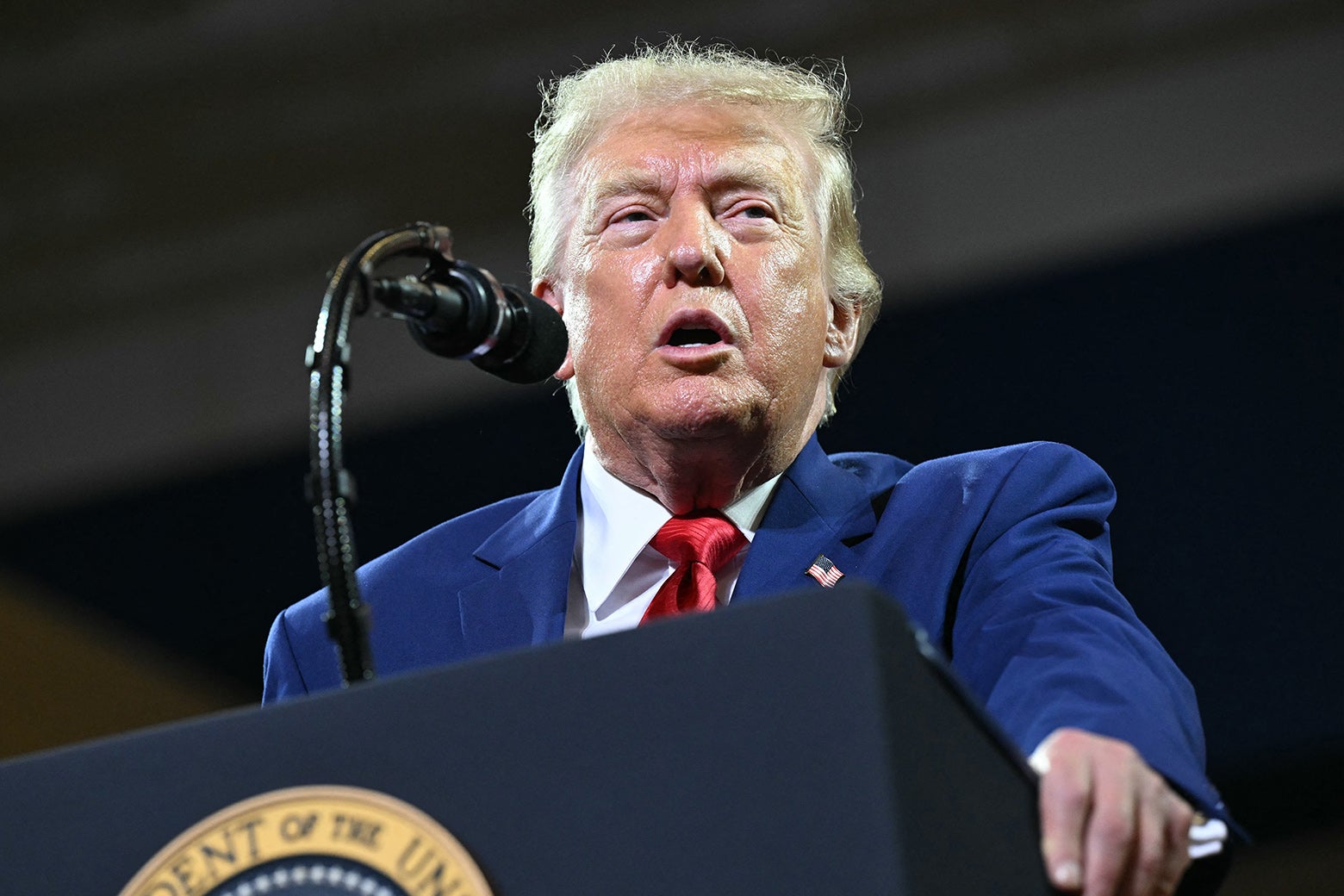
The Trump administration’s approach to international diplomacy has long defied conventional foreign policy playbooks, characterized by sudden pivots, transactional deal-making, and abrupt reversals. Nowhere is this pattern more evident than in the evolving posture toward Middle Eastern nuclear frameworks, specifically regarding Washington’s diplomatic and security engagements with Riyadh. While proponents frequently point to historic breakthroughs like the Abraham Accords as anchors of stability, critics and regional analysts argue that shifting red lines, unpredictable withdrawals from multilateral agreements, and volatile bilateral demands create a pervasive atmosphere of diplomatic uncertainty. According to regional policy institutes, the overarching reality of contemporary American foreign policy remains rooted in erratic execution, leaving traditional allies and adversaries alike to navigate a shifting landscape where past commitments offer little guarantee of future consistency.
This dynamic reflects a broader strategic incoherence observed across multiple diplomatic theaters during Donald Trump’s presidency and subsequent political rhetoric. As international affairs experts note, high-stakes negotiations involving sensitive capabilities—such as civil nuclear cooperation—typically require predictable, long-term legislative frameworks and bipartisan continuity. Instead, diplomatic initiatives concerning Saudi Arabia’s civilian nuclear ambitions have frequently become tethered to shifting political imperatives and sudden transactional demands. Consequently, foreign policy watchers emphasize that the defining constant of this diplomatic era is not strategic clarity, but rather an unyielding volatility that complicates long-term alliance management.
The Evolution of U.S.-Saudi Nuclear Engagements
Discussions surrounding a potential civil nuclear agreement between Washington and Riyadh have spanned successive administrations, driven largely by Saudi Arabia’s Vision 2030 economic diversification strategy and growing domestic energy demands. Under U.S. law, specifically Section 123 of the Atomic Energy Act, transfers of nuclear material, equipment, or technology require formal agreements for peaceful nuclear cooperation. These pacts are designed to prevent proliferation by mandating strict non-proliferation standards, commonly including commitments not to enrich uranium or reprocess spent fuel domestically—standards known in diplomatic circles as the “gold standard.”
However, bilateral talks between U.S. and Saudi officials frequently encountered friction over these non-proliferation safeguards. Riyadh has historically resisted signing agreements that would legally bind the kingdom against domestic uranium enrichment, particularly as neighboring regional actors pursued independent nuclear fuel cycles. According to reports from the International Atomic Energy Agency, diplomatic friction intensified as the Trump administration pursued broader regional realignments that sometimes bypassed traditional arms control protocols in favor of rapid economic and security deliverables. This transactional approach prioritized immediate bilateral deliverables over durable, institutionalized multilateral frameworks, setting the stage for unpredictable policy shifts.
Strategic Inconsistency as a Diplomatic Doctrine
The structural unreliability inherent in this foreign policy style extends far beyond nuclear negotiations, bleeding into trade disputes, defense commitments, and human rights oversight. Foreign policy analysts at organizations such as the Council on Foreign Relations have frequently highlighted how sudden executive announcements—often delivered via public statements or social media—routinely upend months of careful interagency groundwork carried out by career diplomats at the Department of State and the Pentagon.
This oscillation between maximalist pressure campaigns and abrupt diplomatic openings leaves partner nations uncertain of Washington’s baseline commitments. For Saudi Arabia, this meant balancing enthusiastic U.S. support for regional security initiatives against the underlying unpredictability of an American executive who could pivot rapidly based on domestic political pressures or shifting economic metrics. When long-term security guarantees are perceived as contingent on ephemeral political dynamics, regional capitals begin hedging their bets through diplomatic diversification, engaging more actively with competing global powers such as China and Russia.
Implications for Regional Stability and Global Alliances
The consequences of erratic foreign policy execution reverberate across the wider Middle East, complicating efforts to establish enduring security architectures. Traditional deterrence models rely heavily on the credibility of American security assurances and the steadfastness of international treaties. When those assurances fluctuate alongside domestic political cycles, regional stability becomes increasingly precarious.
Furthermore, the absence of predictable diplomatic guardrails undermines global non-proliferation regimes. If civil nuclear cooperation agreements are negotiated as short-term transactional tokens rather than bound by rigorous, unyielding legal standards, the international community risks eroding the very norms that prevent the spread of sensitive nuclear technologies. International legal scholars and arms control advocates continue to warn that diluting non-proliferation requirements for strategic convenience sets a dangerous precedent for other nations seeking advanced energy capabilities.
As diplomatic channels adapt to these persistent fluctuations, foreign policy observers emphasize that the fundamental challenge for global allies lies in preparing for sudden policy reversals. Official updates regarding ongoing bilateral dialogues, congressional oversight hearings, and regulatory compliance filings remain accessible through the U.S. Department of State and the Library of Congress. Stakeholders tracking the trajectory of Middle Eastern nuclear diplomacy can monitor forthcoming legislative sessions and official executive branch disclosures for the latest verified developments.
What are your thoughts on how shifting U.S. foreign policy impacts global alliances? Join the discussion below to share your perspective with our international readership.