As the 2026 NBA Play-In Tournament approaches, basketball fans and bettors alike are turning to data-driven projections to inform their decisions. With the tournament set to begin on April 15, 2026, SportsLine’s projection model has released its top NBA picks for the day’s two key matchups, based on 10,000 game simulations. The model, which has a proven track record of returning over $10,000 in betting profit for $100 players across eight-plus seasons, is highlighting specific spread, moneyline and over/under opportunities that could yield a parlay payout exceeding +600 if all selections hit.
The first game of the slate features the Philadelphia 76ers as 2.5-point favorites against the Orlando Magic at 7:30 p.m. ET, with the total set at 222.5 points. However, the Sixers will be without star center Joel Embiid, who is recovering from an appendectomy. This absence significantly impacts Philadelphia’s interior defense and scoring, creating a notable mismatch that the model has factored into its projections. Despite being favored on the spread, the 76ers’ offensive efficiency may be hampered without Embiid’s presence in the paint.
In the second and later game, the Golden State Warriors are set to face the Los Angeles Clippers at 10:00 p.m. ET, with the Clippers listed as 5.5-point favorites and the over/under at 221.5 points. Although the Clippers have held the upper hand in recent seasons against Golden State, the model notes that their head-to-head matchups have become increasingly tight in recent weeks. This trend, combined with the Warriors’ resilience in close games, has led the projection system to favor Golden State covering the spread as a valuable betting opportunity.
SportsLine’s model does not rely on subjective analysis but instead uses algorithmic simulations that incorporate player availability, recent performance, defensive efficiency, pace of play, and historical trends. By running each matchup 10,000 times, the system identifies outcomes with the highest probability of occurrence, allowing it to spotlight picks that offer both strong win probability and favorable odds. For the April 15 slate, the model has identified three specific selections that, when combined into a parlay, project a return of over +600 — meaning a $100 wager could yield more than $600 in profit if all legs are correct.
The model’s recent performance adds credibility to its current projections. Entering the 2026 NBA playoffs, SportsLine’s system was on a 23-9 run (72% success rate) on top-rated spread picks during the season. This level of consistency has made it a trusted resource among serious bettors who prioritize long-term profitability over short-term wins. Although no prediction model is infallible, the transparency of its methodology — rooted in repeatable simulations rather than opinion — sets it apart from conventional handicapping approaches.
For those unfamiliar with NBA betting terminology, a “parlay” combines multiple individual wagers into a single bet, where all selections must win for the parlay to pay out. The appeal lies in the multiplied odds: while each leg may offer modest returns individually, combining them increases the potential payout significantly. However, this also increases risk, as a single incorrect pick results in the entire parlay losing. SportsLine’s recommendation to target a parlay returning over +600 reflects a balance between perceived likelihood and reward, based on the model’s internal probability thresholds.
Beyond the immediate April 15 games, the Play-In Tournament structure itself adds strategic depth to betting considerations. The tournament determines the final two playoff seeds in each conference, with the No. 7 and No. 8 seeds hosting the No. 9 and No. 10 seeds in a series of elimination games. Winners advance to face the No. 2 and No. 3 seeds in the first round of the playoffs, while losers are eliminated. This high-stakes, win-or-go-home format often leads to unpredictable performances, especially when key players are injured or resting — factors that simulation models attempt to quantify through adjusted player impact metrics.
Joel Embiid’s absence due to appendectomy recovery is a prime example of how player availability can shift projected outcomes. The Sixers, who entered the season with championship aspirations, have relied heavily on Embiid’s two-way dominance. Without him, Philadelphia’s offensive rating drops significantly, and their ability to protect the rim diminishes. The model accounts for such absences by adjusting expected points per possession, defensive rebounding rates, and second-chance opportunities — all of which influence both the spread and total projections.
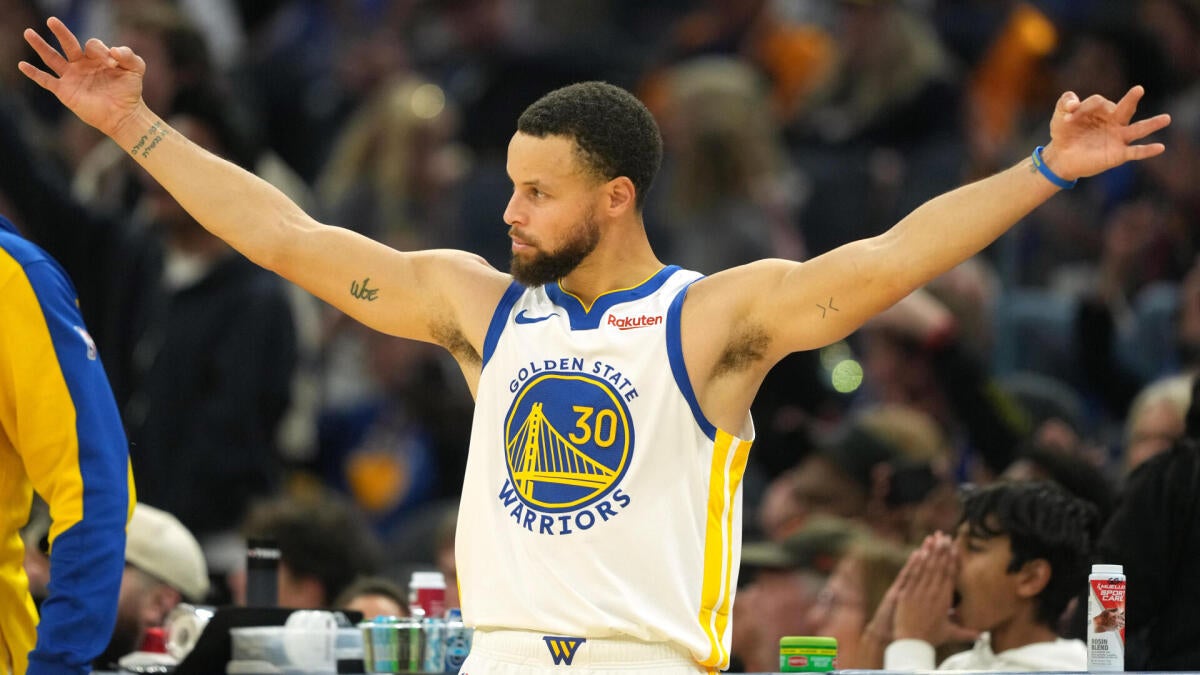
Similarly, the Warriors-Clippers matchup reflects broader trends in Western Conference competitiveness. Golden State, despite not being considered a title contender in 2026, has remained a difficult team to beat in close games, particularly when Stephen Curry is engaged offensively. The Clippers, while possessing star power in Kawhi Leonard and Paul George, have shown vulnerability in late-game execution over the past season — a tendency that simulation models can detect through clustering of performance in high-leverage situations.
while SportsLine’s model provides data-backed projections, it does not guarantee outcomes. Betting always carries risk, and past performance does not ensure future results. The model’s strength lies in its consistency over time, not in predicting every single game correctly. Responsible gambling practices — such as setting limits, avoiding chasing losses, and treating wagers as entertainment rather than income — remain essential for anyone engaging with sports betting content.
For readers seeking to verify the model’s claims or explore its methodology further, SportsLine maintains a public record of its past picks and simulation results. The company emphasizes that its projections are generated independently and are not influenced by external betting lines or public sentiment. This isolation from market bias allows the model to identify potential inefficiencies in the odds — situations where the projected probability of an outcome differs meaningfully from what the betting market implies.
As the NBA season progresses toward the playoffs, tools like SportsLine’s projection model offer one lens through which fans can analyze team performance and game dynamics. Whether used for entertainment, informed discussion, or strategic betting, the value lies in its transparency and repeatability. By grounding predictions in simulation rather than speculation, it provides a consistent framework for evaluating uncertainty in sports outcomes.
The 2026 NBA Play-In Tournament begins on April 15, with the 76ers-Magic and Warriors-Clippers games setting the tone for the night. As tipoff approaches, bettors and analysts will continue to monitor injury updates, lineup changes, and shifting odds — all of which can influence both on-court results and projection model outputs. For now, the data suggests that a disciplined approach, informed by simulation-based insights, may offer the best path forward for those looking to engage with the action beyond the final buzzer.
If you found this analysis helpful, consider sharing it with fellow basketball fans or leaving a comment below with your thoughts on the Play-In matchups. Engaging in respectful, evidence-based discussion helps elevate the conversation around sports analytics and responsible betting practices.
Related reading