Indianapolis, IN – College football could be on the verge of significant changes to its targeting rules, aiming to strike a better balance between player safety and competitive fairness. A Division I Football Rules Subcommittee has proposed a one-year trial rule modification to the penalty structure for targeting, a controversial rule that has often drawn criticism for its impact on game outcomes and player availability. The proposed changes, announced Thursday, seek to refine a system that currently results in immediate ejection from a game and a mandatory suspension for at least part of the following contest.
The current targeting rule, designed to protect players from head and neck injuries, has been a source of debate for years. While the intent behind the rule is widely supported, the subjective nature of the calls and the severity of the penalties have led to frustration among coaches, players, and fans. The NCAA’s move to revisit the rule underscores the ongoing effort to improve player safety while ensuring the integrity of the game. This latest proposal isn’t just about adjusting penalties; it’s about evolving a system that has consistently faced scrutiny and calls for reform. The core of the issue lies in finding a way to deter dangerous hits without unduly punishing players for incidental contact or making questionable calls that can dramatically alter the course of a game.
Under the current system, a player assessed with a targeting penalty is immediately ejected from the game. If the penalty occurs in the second half, the player is also forced to sit out the first half of their team’s next game. The proposed changes would alter this structure, allowing a player disqualified for targeting for the first time to play in their team’s next game, regardless of when the penalty was assessed. Yet, the subcommittee’s proposal introduces a progressive penalty structure. A second targeting ejection in the same season would result in a player sitting out the first half of the next game, while a third targeting ejection would lead to a full-game suspension. This tiered approach aims to encourage safer play and provide a clearer understanding of the consequences for repeated offenses.
Understanding the Targeting Rule and its Evolution
Targeting, as defined by the NCAA, involves forcible contact to the head or neck area of a defenseless opponent. Often, this contact involves using the crown of the helmet or launching the body to initiate contact above the shoulders. The rule was initially implemented to address the growing concern over concussions and other serious head injuries in football. The NCAA’s ongoing commitment to player safety has driven numerous revisions to the rule over the years, attempting to balance protection with fair play. The evolution of the rule reflects the increasing understanding of the long-term effects of head trauma and the need for proactive measures to mitigate risk.
The proposed changes are not without their complexities. While reducing the immediate impact of a first-time targeting penalty might be seen as a positive step by some, others may argue that it weakens the deterrent effect of the rule. The progressive penalty structure, however, aims to address this concern by increasing the consequences for repeat offenders. A.J. Edds, chair of the Division I Football Rules Subcommittee and vice president of football administration for the Big Ten, emphasized that the changes are intended to “balance the important safety impact with an appropriate penalty structure.” He also noted the committee’s intention to closely monitor the one-year adjustment and enhance coaching and player education regarding the rule. This monitoring phase will be crucial in assessing the effectiveness of the changes and identifying any unintended consequences.
Beyond Targeting: Proposed Changes to Uniform Standards
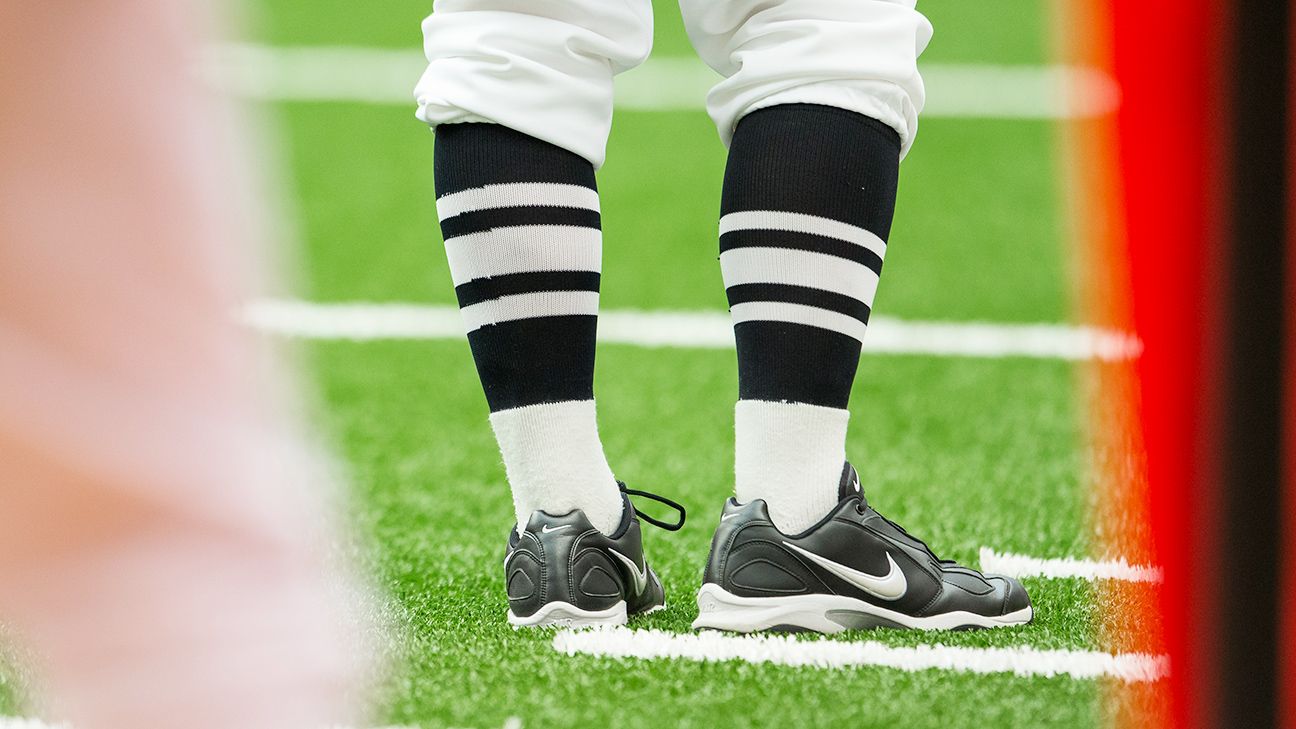
The subcommittee’s proposals extend beyond the targeting rule, addressing another area of concern: player uniforms. The committee has proposed that players be required to wear leg coverings from the top of their shoes to the bottom of their pants, with players needing to wear the same covering style and colors for the duration of a game. This seemingly minor change is intended to address what the committee perceives as a decline in the professional appearance of uniforms. Players found in non-compliance would be required to leave the game for at least one down to correct the issue, with teams receiving a warning for the first offense. Subsequent violations would result in 5-yard and then 15-yard penalties.
The uniform proposal has already drawn reaction from coaches, including Texas head coach Steve Sarkisian, who expressed amusement and skepticism about the practicality of enforcement. Sarkisian questioned the need for “uniform police” and suggested that other aspects of player appearance, such as tucked-in shirts, might be more pressing concerns. The debate over uniform standards highlights the challenges of balancing tradition, aesthetics, and practicality in college football. While the committee believes the proposal will improve the overall look of the game, its implementation and enforcement will likely require careful consideration and collaboration between administrators, coaches, and officials.
Fair Catch Kicks: A Potential Game-Changer?
In addition to the targeting and uniform proposals, the subcommittee is also considering a rule change that could add a fresh strategic dimension to the game: the fair catch kick. Under the proposed rule, a team could opt to attempt a field goal after a fair catch, with the kick taken from the spot of the catch and the defense positioned at least 10 yards away. If successful, the kick would be worth three points. This rule, already in place in the NFL and high school football, aims to provide an additional scoring opportunity for teams and potentially encourage more strategic play-calling on special teams.
The concept of the fair catch kick gained prominence in the NFL in 2024 when Cameron Dicker of the Los Angeles Chargers successfully converted a 57-yard attempt against the Denver Broncos. The subcommittee believes that adopting a similar rule in college football would align with the standards of other levels of the game and add an exciting new element to the sport. The potential impact of this rule change could be significant, forcing teams to adjust their special teams strategies and potentially leading to more unpredictable game outcomes. It could also incentivize returners to prioritize securing the catch over attempting a return, knowing that a fair catch could lead to a scoring opportunity.
Next Steps and Oversight
The proposed rule changes are now subject to review and approval by the oversight committees for the Bowl Subdivision and Championship Subdivision. These committees are scheduled to meet next month to consider the proposals and determine whether they will be implemented for the 2026 football season. The NCAA’s decision-making process ensures that any changes to the rules are carefully vetted and considered before being adopted. The outcome of these meetings will have a significant impact on the future of college football, shaping the way the game is played and impacting the safety and well-being of its athletes.
The evolution of the targeting rule and the consideration of changes to uniform standards and special teams play demonstrate the NCAA’s ongoing commitment to adapting to the changing landscape of college football. The proposals reflect a desire to balance player safety, competitive fairness, and the overall integrity of the game. As the committees deliberate, the college football community will be closely watching, eager to notice how these proposed changes will shape the future of the sport. The final decisions will undoubtedly spark further discussion and debate, but they represent an important step in the ongoing effort to improve the game for players, coaches, and fans alike.
The NCAA’s commitment to reviewing and refining its rules is a testament to its dedication to the sport’s continued growth and evolution. The upcoming meetings of the oversight committees will be crucial in determining the direction of college football in the years to come. Stay tuned for further updates as these proposals move through the approval process. We encourage you to share your thoughts on these proposed changes in the comments below.
- Why the Sydney Roosters’ Indigenous Round Jersey is an Australian First
- Franco Baresi, Milan Legend and Italy Icon, Dies at 66: Tributes and Funeral Details
- Shubman Gill Proposes Multi-Nation Tournaments to Save 50-Over Cricket (archyworldys.com)
- Honduras Court Rules Former President Juan Orlando Hernández Be Tried While Free (world-today-news.com)