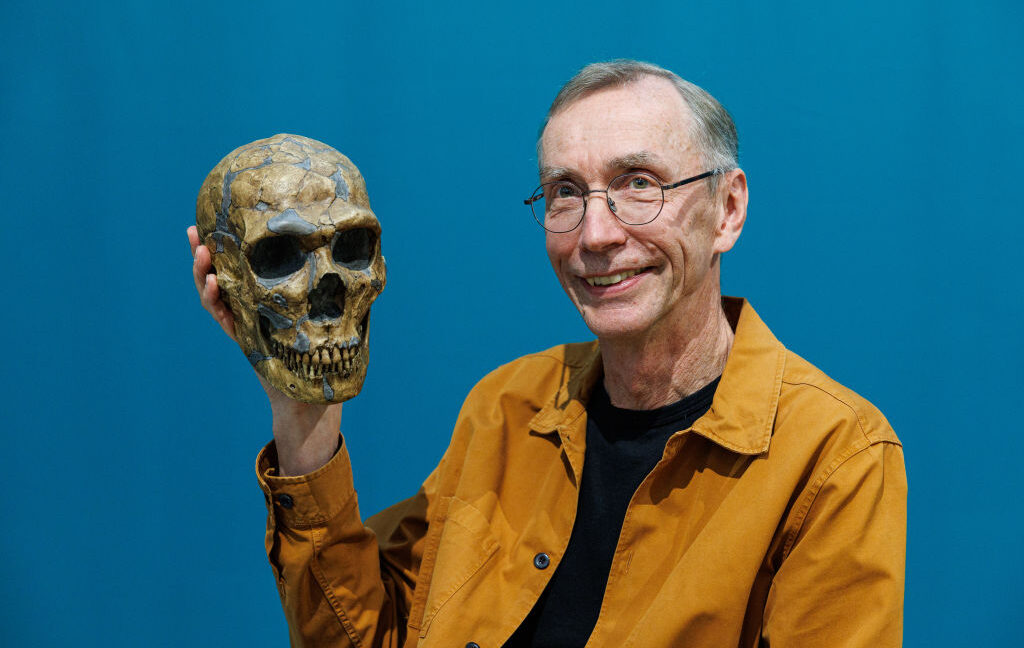
Neanderthal Mating Preferences: Ancient DNA Suggests a Bias Toward Modern Human Women
For decades, scientists have known that Homo sapiens and Neanderthals weren’t entirely separate species – they interbred. Evidence of Neanderthal DNA persists in the genomes of most modern humans of non-African descent, a testament to these ancient encounters. But the story is becoming increasingly nuanced. New research suggests that the interactions weren’t simply random pairings; there’s growing evidence that Neanderthal males may have actively sought out modern human females as mates, a preference reflected in the genetic legacy passed down through generations. Understanding these ancient mating patterns offers a fascinating glimpse into the complexities of human evolution and the factors that shaped the genetic makeup of our species.
The initial discovery of Neanderthal DNA in modern human genomes revealed a significant degree of interbreeding, particularly as Homo sapiens migrated out of Africa and into Eurasia. Still, the distribution of this inherited DNA isn’t uniform. Certain regions of the modern human genome show a marked absence of Neanderthal genetic material – dubbed “Neanderthal deserts.” One of the most striking of these deserts is the X chromosome, prompting researchers to investigate whether this pattern was due to genetic incompatibility or, potentially, mating choices. The X chromosome plays a crucial role in sex determination and carries genes vital for development, and its relative lack of Neanderthal DNA has long been a puzzle for geneticists.
Researchers at the University of Pennsylvania – Alexander Platt, Daniel N. Harris, and Sarah Tishkoff – have recently focused on analyzing the X chromosomes of available Neanderthal and modern human genomes. Their work builds on the understanding that genetic exchange isn’t always equal. Although evidence shows modern humans contributed DNA to Neanderthal genomes, the new analysis reveals a reciprocal pattern, but with a distinct bias. The team found a strong preference for modern human genetic sequences on the Neanderthal X chromosome, leading them to hypothesize that Neanderthal males preferentially mated with modern human females. This selective mating could explain the observed scarcity of Neanderthal DNA on the modern human X chromosome, as any Neanderthal genes introduced through male lineages would have been subject to selective pressures.
Understanding Genetic Incompatibility and Selection
The concept of genetic incompatibility is central to understanding why certain genetic combinations might be less successful. After hundreds of thousands of years of independent evolution, modern humans and Neanderthals accumulated differences in their genomes. These differences weren’t necessarily detrimental in themselves, but when combined, they could disrupt the intricate networks of protein interactions that govern biological processes. Proteins don’t function in isolation; they interact with each other in complex ways, and the genes encoding these proteins have evolved in coordination. Introducing a gene from a different species could disrupt these established networks, leading to reduced fitness – a lower chance of survival and reproduction.
This doesn’t mean all interbreeding was harmful. Some Neanderthal genes likely provided benefits to modern humans, such as increased immunity to local pathogens or adaptations to colder climates. However, the researchers suggest that the selective pressure against certain Neanderthal genes, particularly those on the X chromosome, was strong enough to lead to their gradual disappearance from the modern human gene pool. The larger modern human population size, as it expanded, would have also contributed to diluting the influence of Neanderthal DNA over time. Determining the precise balance between genetic incompatibility and random genetic drift remains a significant challenge for researchers.
The X chromosome’s unique role in inheritance further complicates the picture. Males inherit their X chromosome from their mothers, meaning that any Neanderthal genes on the X chromosome would have been passed down through the maternal line. If Neanderthal males preferentially mated with modern human females, the resulting offspring would have inherited their X chromosome from their modern human mothers, effectively reducing the presence of Neanderthal X chromosome DNA in subsequent generations. This process, combined with potential selective pressures against Neanderthal genes, could explain the observed “desert” on the modern human X chromosome.
Implications for Human Evolution and Genetic Diversity
The findings have significant implications for our understanding of human evolution. They suggest that mate choice played a role in shaping the genetic landscape of modern humans, and that Neanderthal males weren’t simply opportunistic in their mating behavior. This raises questions about the factors that drove this preference. Was it based on physical characteristics, social cues, or something else entirely? Further research is needed to unravel the underlying mechanisms.
The study also highlights the importance of considering sex-specific effects in genetic analyses. The X chromosome is unique in that males have only one copy, while females have two. This means that genes on the X chromosome are subject to different selective pressures in males and females. Understanding these differences is crucial for accurately interpreting the genetic history of our species. The research underscores the complex interplay between genetic factors, environmental pressures, and behavioral choices in shaping the evolution of both modern humans and Neanderthals.
The ongoing analysis of ancient genomes continues to refine our understanding of the interactions between these two hominin groups. As more complete genomes become available, researchers will be able to paint an even more detailed picture of the genetic exchange that occurred tens of thousands of years ago. This research isn’t just about understanding the past; it also has implications for our understanding of human health and disease. Some Neanderthal genes have been linked to increased risk of certain conditions, while others may offer protection against them. By unraveling the genetic legacy of our Neanderthal ancestors, we can gain valuable insights into the biological basis of human health and disease.
Further Research and Ongoing Debates
While the University of Pennsylvania team’s findings offer a compelling explanation for the observed patterns of Neanderthal DNA, the research is still ongoing, and some questions remain unanswered. The sample size of complete Neanderthal genomes is relatively tiny, which limits the statistical power of the analysis. As more genomes become available, the researchers will be able to refine their conclusions and explore other potential explanations. The Washington Post reported on this research, highlighting the ongoing debate about the extent to which selective mating influenced the genetic makeup of modern humans. Read more about the research here.
Another area of ongoing research is the investigation of other potential “Neanderthal deserts” in the modern human genome. If selective mating played a role in shaping the distribution of Neanderthal DNA, we might expect to see similar patterns in other regions of the genome. Researchers are also exploring the possibility that certain Neanderthal genes were actively purged from the modern human gene pool through natural selection. The New York Times also covered the implications of this research, focusing on what DNA reveals about the sex life of Neanderthals. Learn more about the findings from The New York Times.
understanding the complex interactions between modern humans and Neanderthals requires a multidisciplinary approach, combining insights from genetics, archaeology, anthropology, and other fields. As technology advances and more data become available, we can expect to gain an even deeper understanding of our evolutionary history and the forces that have shaped the human species.
The ongoing research into Neanderthal DNA and mating preferences promises to continue reshaping our understanding of human origins. As scientists delve deeper into the genetic code of our ancestors, we are gaining a more nuanced and complex picture of the events that led to the emergence of modern humans. The next steps involve analyzing larger datasets and exploring the functional consequences of Neanderthal genes in modern human populations, which will undoubtedly reveal further insights into our shared evolutionary past.
Stay informed: For the latest updates on genetic research and human evolution, follow World Today Journal’s Tech section. Share your thoughts and questions in the comments below.
Keep reading