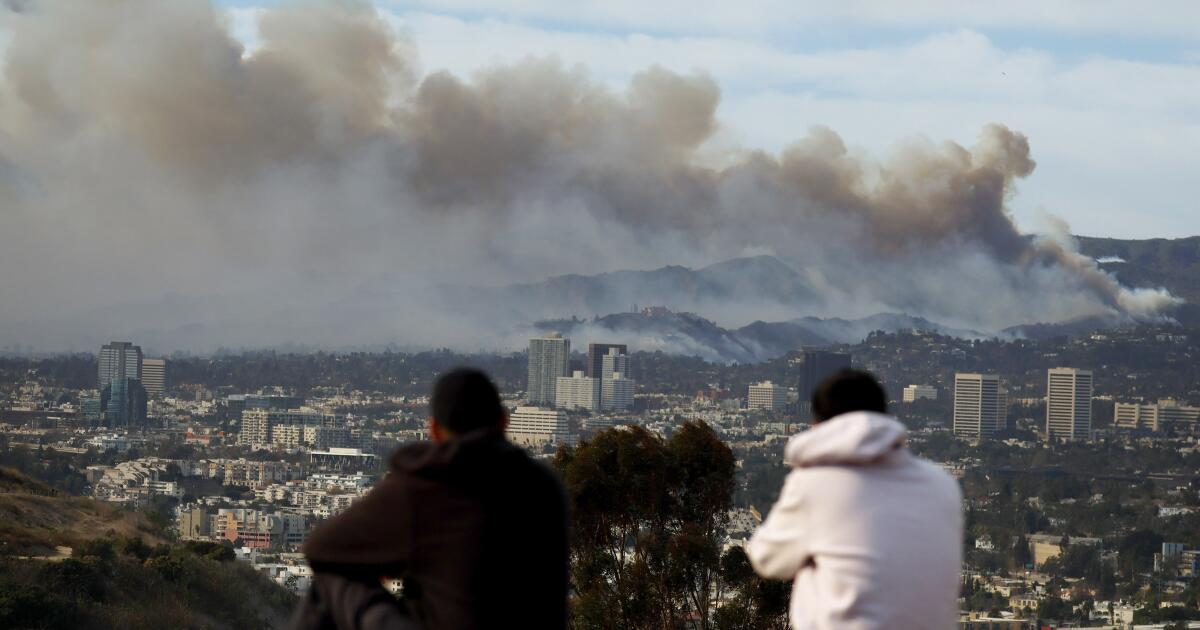
Nearly half of all children in the United States are breathing unhealthy levels of air pollution, according to the American Lung Association’s 27th annual “State of the Air” report released in April 2026. The report finds that 44% of Americans — over 146 million people — live in areas with failing grades for ozone or particle pollution, with children disproportionately affected. In California, the situation is more severe, where 82% of residents — approximately 32 million people — live in counties impacted by unhealthy air, including 7 million children.
The findings underscore a growing public health concern as federal rollbacks threaten to weaken long-standing clean air protections. Experts warn that without sustained state and federal action, air pollution could lead to more than 14,000 premature deaths and $145 billion in cumulative health costs in California alone through 2050. The report highlights how decades of progress in reducing emissions are now at risk due to regulatory changes targeting California’s authority to set stricter vehicle and industrial standards.
Los Angeles-Long Beach remains the most ozone-polluted metropolitan area in the nation for the 26th time in 27 years, recording an average of 159.2 unhealthy ozone days per year. The region also ranks seventh worst nationally for both annual and short-term particle pollution. Los Angeles County received failing grades across all three pollution categories measured in the report: ozone, short-term particle pollution, and annual particle pollution. Riverside and San Bernardino counties similarly failed all three measures, while Orange County received an F for ozone and annual particle pollution, and a C for short-term particle pollution.
Bakersfield was ranked as the most polluted city in the United States for annual particle pollution despite showing ongoing improvement in the 2026 report. The San Joaquin Valley continues to face severe air quality challenges due to its geography, agricultural activity, and transportation corridors, which trap pollutants. Ground-level ozone, often referred to as smog, forms when emissions from vehicles, industrial facilities, and other sources react in heat and sunlight, posing particular risks to children, outdoor workers, and individuals with respiratory conditions.
Exposure to unhealthy air pollution is linked to asthma attacks, reduced lung function, cardiovascular disease, and premature death. Children are especially vulnerable because their lungs are still developing, they breathe more air per pound of body weight than adults, and they spend more time outdoors. The American Lung Association emphasizes that cleaning the air has been a hard-fought effort requiring sustained investment in clean transportation, renewable energy, and emissions controls.
Will Barrett, assistant vice president of nationwide policy for clean air at the American Lung Association, stated that despite progress over decades, too many Californians continue to live with unhealthy air pollution levels. He warned that federal efforts to roll back healthy air protections could stall or reverse gains made in reducing emissions from cars, trucks, and power plants. Barrett called for renewed commitment to enforcing existing clean air laws and supporting innovation in zero-emission technologies.
The report grades air quality based on data collected from 2021 to 2023, using federal air quality standards set by the Environmental Protection Agency. It evaluates the number of days when air quality reaches unhealthy levels for sensitive populations and the severity of pollution during those periods. Metropolitan areas are ranked nationally for ozone pollution, annual particle pollution, and short-term particle pollution, with letter grades assigned to counties based on their performance.
Nationally, the Indianapolis-Carmel-Muncie metro area ranked 54th worst for ozone pollution with 5 unhealthy days per year and 21st worst for particle pollution with 9.8 unhealthy days annually. Marion County received an F grade for ozone pollution in the 2025 report, reflecting worsening conditions compared to previous years. The findings reflect broader trends of increasing air quality challenges in parts of the Midwest influenced by extreme heat, wildfire smoke, and industrial emissions.
Air pollution disproportionately affects low-income communities and communities of color, which are often located near highways, ports, and industrial facilities. These environmental justice concerns have prompted calls for targeted investments in air monitoring, pollution reduction programs, and community health initiatives. The American Lung Association advocates for strengthening the Clean Air Act, expanding access to electric vehicles, and increasing funding for public transit to reduce emissions at the source.
Looking ahead, the next update to the “State of the Air” report is expected in April 2027, which will incorporate data from 2022 to 2024. In the meantime, state agencies like the California Air Resources Board continue to implement regulations aimed at reducing diesel emissions, promoting zero-emission vehicles, and addressing pollution hotspots. The public can access real-time air quality information through AirNow.gov, a partnership between the EPA, NOAA, NPS, NASA, and tribal, state, and local agencies.
As air quality remains a critical determinant of public health, the findings from the 2026 report serve as a reminder that progress is not guaranteed and requires ongoing vigilance. For families, monitoring local air quality forecasts and limiting outdoor activity during high pollution days can help reduce exposure. Policymakers face the dual challenge of maintaining hard-won gains while addressing emerging threats from climate change, which can exacerbate ozone formation and increase the frequency of wildfires that degrade air quality.
To stay informed about air quality developments and public health protections, readers are encouraged to follow updates from trusted sources such as the American Lung Association, the Environmental Protection Agency, and state environmental agencies. Sharing accurate information helps support community awareness and advocacy for cleaner, healthier air for all.
Worth a look