
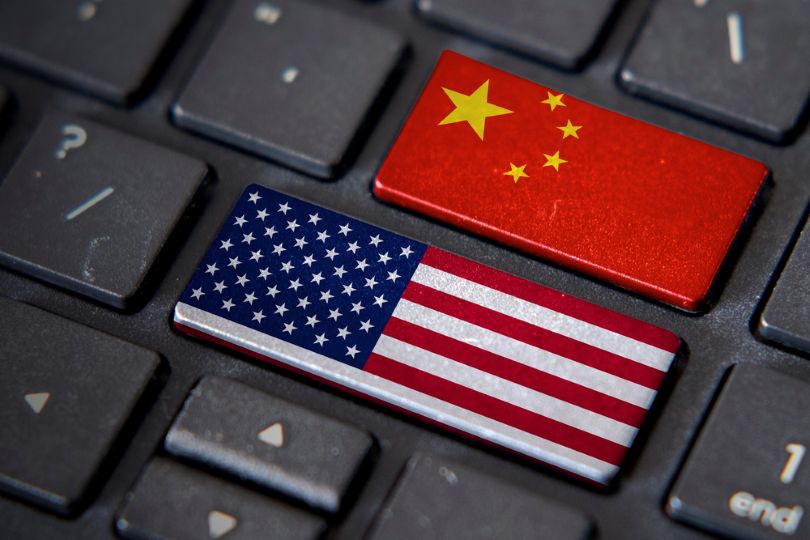
The New Tech Cold War: How US-China Rivalry Impacts the Global South
The world is witnessing a burgeoning tech cold war, a competition for dominance not just in technology itself, but in the very rules governing its growth and deployment.This isn’t simply about who builds the fastest processor or the most elegant AI. It’s a clash of ideologies, wiht profound implications for countries in the Global South. You’re likely already feeling the ripple effects, and understanding the dynamics at play is crucial for navigating this complex landscape.
This article will break down the key players, the risks, and what it means for your nation’s technological future.
The Emerging Blocs: Beyond Simple Competition
For years,the narrative centered on US technological leadership. Now, that’s shifting.We’re seeing the formation of distinct tech blocs,each with its own vision and approach:
* The US & Allies: Represented by initiatives like the EU-U.S.Trade and Technology Council (TTC), this bloc champions open markets, innovation, and a rules-based international order. The emphasis is on private sector-led development, though with increasing government intervention too maintain competitive advantage.
* China & Partners: China is aggressively promoting its vision through initiatives like the Digital Silk Road (DSR), China-CEEC digital cooperation, and the BeiDou Satellite Navigation System. This approach is characterized by state-backed infrastructure projects and a focus on technological self-reliance.
* The Global South: caught in the middle, many nations in the Global South are striving for digital sovereignty and equitable access to technology, but face significant hurdles.
This isn’t a simple binary. It’s a complex web of alliances and competing interests. The core issue? These emerging blocs are increasingly exclusionary, threatening to fracture the global tech landscape.
The risk of a Deepening Tech Divide
The rise of these tech alliances poses a serious threat to the principles of free market access and inclusivity. Instead of fostering global collaboration, we risk a future defined by:
* Tech Monopolies: Exclusive partnerships could solidify the dominance of a few key players, stifling competition and innovation.
* Fragmented Markets: A bifurcated tech market will limit choices and increase costs for developing nations.
* reinforced Disparities: Unequal access to emerging technologies – including AI and digital infrastructure – will exacerbate existing global inequalities.
You deserve access to the tools that can drive economic growth and improve the lives of your citizens.But that access is becoming increasingly conditional.
Caught in the Crossfire: Real-World Examples
The US-China rivalry isn’t playing out in abstract policy debates. It’s impacting real-world decisions made by countries in the Global south right now.
Consider Malaysia’s recent experience. In 2025, they announced plans to deploy 3,000 Huawei “Ascend” AI chips as part of a national AI infrastructure project. However, the US quickly issued warnings, stating that using these chips would violate US export controls. China responded with threats of legal action against anyone enforcing those controls.
This leaves developing nations in an impossible position. You’re forced to navigate a minefield of US export controls while simultaneously weighing the compelling technological offerings from China. it’s a no-win scenario that undermines your autonomy and development.
Beyond Technology: A Battle for Values
This competition extends far beyond semiconductors and AI. It’s a struggle to define the values that will shape the future of the digital world.
The US promotes a neo-liberal vision of free markets and multilateralism. China champions a state-led approach focused on infrastructure and control. As these competing visions clash, the principles of economic interdependence and inclusivity are being eroded.
This isn’t just about technology; it’s about power, influence, and the future of the international order.
What Can the Global South Do?
The situation is challenging, but not hopeless. Here’s how countries in the Global South can navigate this new reality:
- Diversify Partnerships: Don’t rely solely on either the US or China. Explore collaborations with other nations and regional blocs.
- Invest in Indigenous Capacity: Focus on building your own technological capabilities.This includes investing in education, research, and development.
- promote Digital Sovereignty: Develop


