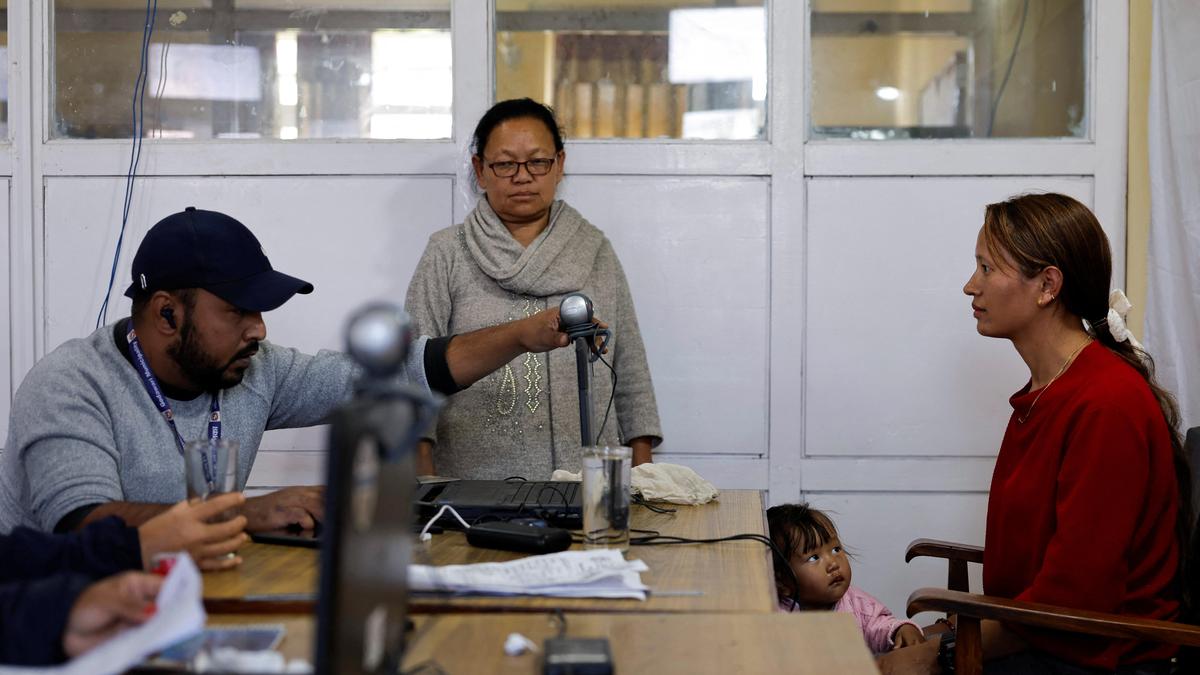
Nepal Sets March 5th for Crucial Parliamentary Elections
Nepal has officially announced March 5th as the date for its upcoming parliamentary elections,marking a significant step forward after a period of political upheaval. The Election Commission released the detailed schedule on Sunday, November 16th, outlining key dates for candidate nominations, protests, and final lists. This election follows the recent removal of Prime Minister K.P. Sharma Oli amidst widespread protests, and aims too establish a new government.
Key Dates & Procedures for the Election
Here’s a breakdown of the crucial timeline you need to know:
* January 20th: Candidates can file their nominations between 10:00 AM and 6:00 PM.
* January 20th (after 5:00 PM): The initial list of candidates will be published.
* January 21st (10:00 AM – 3:00 PM): A window for lodging protests against any candidate will be open.
* January 22nd: The verified list of candidates will be made public.
* January 23rd (until 1:00 PM): Candidates wishing to withdraw their candidacy can do so.
* January 23rd (within 3:00 PM): The final candidate list will be published, along with the official allotment of election symbols.
* March 5th: election day - voting will take place from 7:00 AM to 5:00 PM.
Understanding Nepal’s Electoral System
The structure of Nepal’s parliament is a blend of direct depiction and proportional voting. You should know that 165 members of the 275-seat House of Representatives are directly elected through a first-past-the-post system. The remaining 110 seats are allocated based on proportional representation, ensuring a broader spectrum of voices are heard.
The Road to the Election: A Nation in Transition
These elections are especially significant given the circumstances that led to them. Demonstrations, largely driven by Gen Z, erupted in September, fueled by concerns over corruption and restrictions on social media. Unfortunately, these protests escalated, resulting in tragic loss of life – 76 people perished over two days of unrest.
Consequently, K.P. Sharma Oli was removed from office, and Sushila Karki was sworn in as Prime Minister of an interim government on September 12th. This transition underscores the desire for change and accountability within Nepal.
what This Means for You and Nepal’s Future
As Nepal prepares for this pivotal election, it’s clear that the outcome will shape the nation’s trajectory for years to come. The election represents an prospect for citizens to exercise their democratic rights and choose leaders who will address the pressing issues facing the country. It’s a moment for Nepal to reaffirm its commitment to clarity, good governance, and the well-being of its people.
The world will be watching as Nepal navigates this crucial period, and the hope is that these elections will pave the way for a stable, prosperous, and democratic future.
Worth a look
- Hamas Agrees to Disarm in Proposed Peace Deal Amid Global Crisis Updates
- Why Ukraine Is Targeting Russian E-Commerce Giant Wildberries: Military Links and Logistics Strikes
- Why Nepal Keeps the World's Only 45-Minute Time Zone (daybreakwire.com)
- Boston Bruins Draft James Hagens: Key Details and Outlook (news-usa.today)