
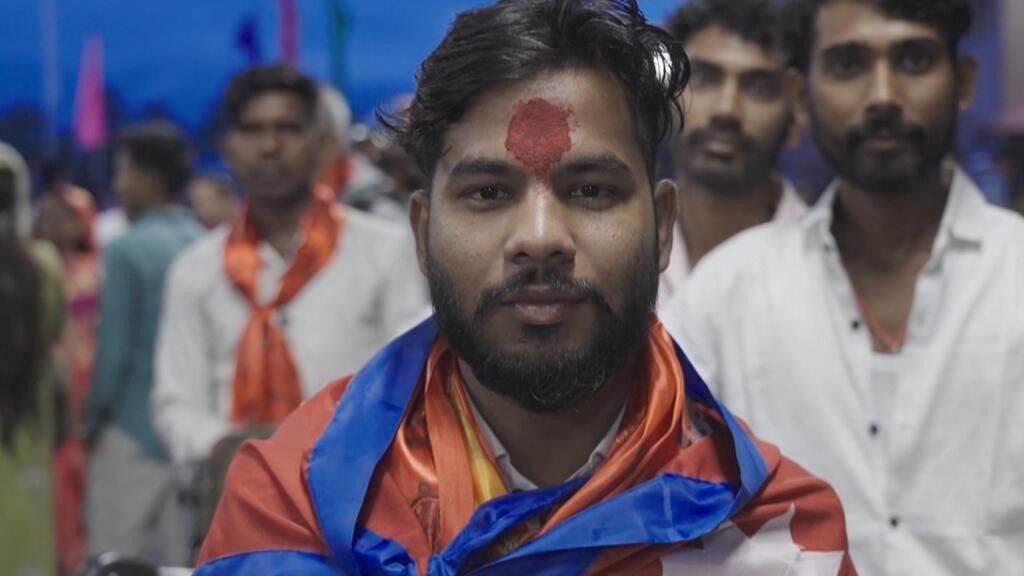
The Rising Tide of Youth Activism: Nepal‘s “Generation Z Revolution” and its Regional Implications
The political landscape of South Asia is undergoing a significant conversion, marked by a surge in youth-led activism and a wave of governmental challenges. Following similar movements in Sri Lanka and Bangladesh, Nepal has recently experienced what many are calling a “Generation Z revolution.” Within a mere three years, this makes Nepal the third nation in the region to see its governing power destabilized by demonstrations primarily driven by its younger citizens. these uprisings, while sparked by specific incidents, reveal a deeper discontent brewing amongst a demographic increasingly empowered by digital connectivity and demanding systemic change. This article will delve into the factors fueling this trend, the specific catalysts in Nepal, and the broader implications for the region’s political future.
Understanding the South Asian Youthquake
The current wave of activism isn’t isolated; it’s part of a global trend where younger generations are leveraging their collective power to address issues ranging from economic inequality to climate change and political corruption.However, South Asia presents a unique context. Rapid urbanization, increasing access to the internet and social media, and a growing sense of disillusionment with conventional political structures are all contributing factors. The economic pressures are notably acute. According to the World Bank, youth unemployment in South asia remains stubbornly high, averaging around 25% in 2023, creating a breeding ground for frustration and unrest. This frustration is then amplified by social media, allowing for rapid mobilization and the dissemination of data outside of traditional media channels.
The common thread linking the protests in Sri Lanka, bangladesh, and now Nepal is that they weren’t simply reactions to isolated events. They were the culmination of years of pent-up grievances regarding economic mismanagement, perceived corruption, and a lack of political representation. These movements demonstrate a shift in the region’s political dynamics, where youth are no longer passive observers but active participants demanding accountability from their leaders.
The Spark in Nepal: Social Media Restrictions and Deeper Discontent
In Nepal, the immediate trigger for the recent protests was the government’s decision to suspend several widely used social media platforms. While authorities cited concerns about maintaining social order and preventing the spread of misinformation, the move was widely perceived as an attempt to stifle dissent and control the flow of information. This action, tho, proved to be a miscalculation.
“The suspension of social media was the last straw. It wasn’t just about access to platforms; it was about the government’s blatant disregard for freedom of expression.”
The suspension ignited widespread outrage, particularly among young Nepalis who rely heavily on these platforms for dialog, news, and political engagement. As of September 22,2025,the ban has been partially lifted,but the damage to public trust has been done. The incident served as a catalyst, bringing to the surface deeper issues of political instability, economic hardship, and a perceived lack of responsiveness from the government.
Nepal has experienced considerable political turmoil in recent decades, with frequent changes in government and a history of corruption. The country is still grappling with the aftermath of a decade-long civil war (1996-2006) and the challenges of implementing a new constitution adopted in 2015. The current economic situation is also precarious, with high levels of debt and a struggling tourism sector - a vital component of the Nepali economy. The youth,facing limited opportunities and a bleak economic outlook,are increasingly questioning the status quo.
Regional Implications and the Future of South Asian Politics
The events in Nepal are not occurring in a vacuum. They are part of a broader regional trend that has significant implications for the future of South Asian politics. The success of youth-led movements in one country can inspire similar actions in others, creating a ripple effect across the region.
The increasing use of social media as a tool for mobilization and dissent presents both opportunities and challenges for governments. While social media can facilitate greater political participation and accountability, it can also be used to spread misinformation and incite violence. Governments must find a balance between protecting freedom of expression and maintaining social order.
Furthermore, the economic factors driving these protests cannot be ignored. Addressing youth unemployment, promoting economic growth,


