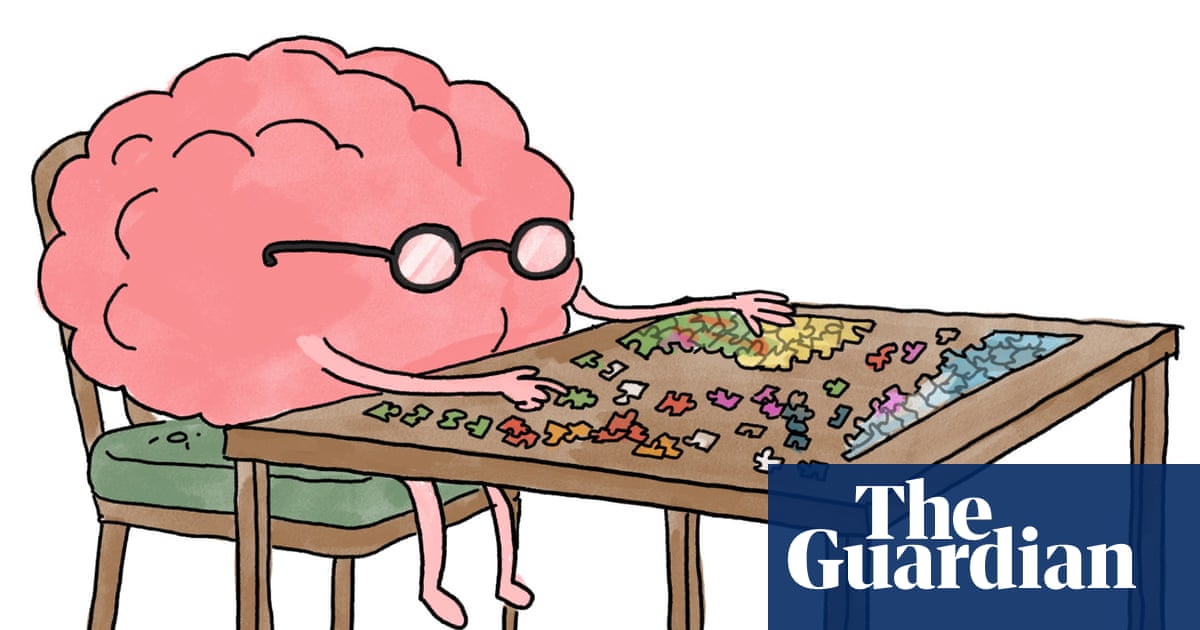
Sharpen Your Mind: How Puzzles and Lifestyle Choices Support Brain Health
Maintaining cognitive function as we age is a concern for many.fortunately, proactive steps can significantly impact your brain health and possibly delay the onset of age-related cognitive decline. Let’s explore how simple activities, like puzzles, and broader lifestyle choices can make a difference.
The Brain-Boosting Power of Puzzles
Puzzles aren’t just a fun pastime; they’re a workout for your brain. When you engage with a puzzle, you activate multiple areas simultaneously – vision, memory, and association. This stimulation increases blood flow, even in areas with slightly compromised circulation, helping to preserve essential functions.
Consider the psychological benefits as well. Successfully completing a puzzle provides a sense of accomplishment, boosting your overall wellbeing. Moreover, tackling puzzles with others combats loneliness, a significant risk factor for age-related diseases.
Beyond Puzzles: A Holistic approach to Brain Health
While puzzles are valuable, they’re most effective as part of a broader, brain-healthy lifestyle. Prioritize these key elements:
* Regular Movement: Physical activity isn’t just good for your body; it’s crucial for your brain.
* Nutritious Diet: Fuel your brain with a balanced diet rich in essential nutrients.
* Social Engagement: Activities involving interaction with others stimulate your brain and foster connection.
* Mentally Stimulating Activities: Challenge yourself with activities that require multiple cognitive functions.
Examples of beneficial activities include:
- Walking with friends.
- Taking dance classes.
- visiting museums and art exhibitions.
Understanding genetic Predisposition and Proactive Steps
It’s crucial to acknowledge that genetics play a role in conditions like dementia. Though,even with a genetic predisposition,your lifestyle choices can significantly influence the timing of symptom onset.
Adopting a brain-healthy lifestyle won’t necessarily prevent dementia, but it can potentially delay the appearance of symptoms compared to someone who doesn’t prioritize these habits. You have the power to proactively support your cognitive wellbeing throughout your life.
Investing in Your Future Self
Ultimately, prioritizing brain health is an investment in your future quality of life.By incorporating puzzles and embracing a holistic lifestyle,you can empower yourself to maintain cognitive function and enjoy a vibrant,engaged life for years to come. Remember, small, consistent changes can yield significant long-term benefits.
Worth a look