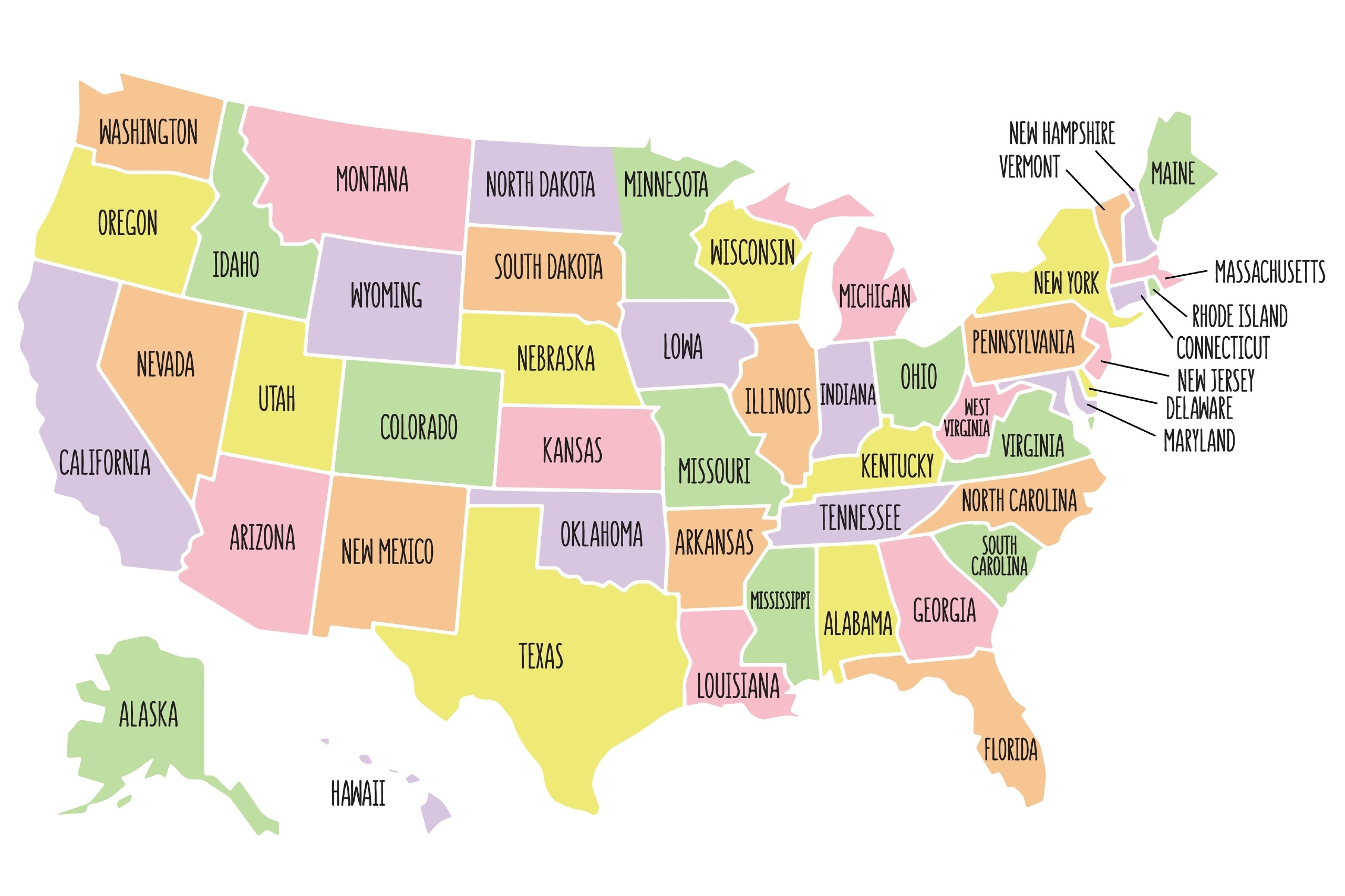
Public health officials and laboratory specialists are closely monitoring early indications that the historic U.S. cyclosporiasis outbreak may be beginning to slow down, though experts caution that testing data requires careful interpretation. The nationwide surge of single-celled parasite infections has climbed to more than 18,000 suspected and confirmed cases, marking the largest recorded wave of the illness in the United States. While data from a major diagnostic testing provider points to a recent downward trend in positivity rates, public health authorities emphasize that fluctuations in testing volume can heavily influence these figures.
The widespread outbreak has heavily impacted the Midwest, where public health investigations linked infections across multiple states to iceberg lettuce distributed by Taylor Farms from its Mexico operations. According to the Centers for Disease Control and Prevention (CDC), individuals in at least nine states have been tied to these connected clusters.
Understanding the trajectory of a foodborne parasite outbreak requires looking closely at how diagnostic data is gathered and reported.
Diagnostic Trends and Testing Limitations
The recent observation regarding a potential slowdown comes primarily from laboratory data tracked by major diagnostic companies processing physician orders for gastrointestinal panels.
Supply Chain Investigations and Regional Impact
Next Steps in Federal Surveillance
Public health authorities maintain that further epidemiological data is necessary to confirm whether the outbreak has definitively crested. The CDC and state health agencies continue to collect surveillance reports from clinical laboratories across the country. Federal officials are expected to release updated case tallies and environmental assessment findings as ongoing traceback investigations conclude.
- CDC Warning: Avoid Taco Bell Shredded Lettuce in 5 States Due to Cyclospora Outbreak
- Moroccan Migrant Deported from Netherlands Attempts to Storm Spanish Border, Citing Hepatitis C
- Why Some Books Have Two Different ISBN Numbers (daybreakwire.com)
- How Slowing Atlantic Currents Fuel Extreme Weather Globally (archynewsy.com)