Rick Moranis has officially reprised his iconic role as Dark Helmet for Spaceballs: The New One, turning a high-profile Hollywood comeback into a carefully calibrated project rather than a routine cash grab. According to reports from the film’s production and promotional rollouts, the Canadian actor returned to the oversized villain costume nearly three decades after largely stepping away from live-action cinema in the 1990s to raise his children.
The upcoming science-fiction parody, scheduled for a theatrical release in April 2027, reunites Mel Brooks alongside returning cast members Bill Pullman, Daphne Zuniga, and George Wyner. They are joined by a fresh roster of actors including Josh Gad, Keke Palmer, Lewis Pullman, and Anthony Carrigan. For Moranis, stepping back onto a movie set provided a surreal sense of time passing, placing him alongside younger performers who were now the age he had been when the first film was made.
Industry observers and fans alike have noted that the actor’s return carries unique weight because it honors the boundaries he set decades ago. Following the death of his wife, costume designer Ann Belsky, in 1991, Moranis deliberately stepped back from heavy studio workloads to focus on his family. While he occasionally took on voice acting roles and released comedy music projects, he largely avoided live-action films, proving that an entertainer could maintain cultural relevance without a constant Hollywood presence.
Why Rick Moranis Left Hollywood on His Own Terms
During the height of his career in the 1980s and early 1990s, Moranis established himself as one of comedy’s most distinctive performers. Through memorable turns in films like Ghostbusters, Little Shop of Horrors, Honey, I Shrunk the Kids, Parenthood, and The Flintstones, he mastered a specific brand of comedy built on nervous energy and precise timing. Rather than pursuing conventional leading-man roles, he leaned into characters defined by anxiety and earnest humanity.
When his personal circumstances changed following the loss of his wife, Moranis made the conscious choice to prioritize fatherhood over box office momentum. His departure was occasionally mischaracterized as a complete retirement, yet he continued to work selectively on projects that fit his personal schedule. Because he left while his filmography remained universally beloved, public affection for his work steadily grew into a deep, protective nostalgia over the past thirty years.
What Makes Spaceballs: The New One Different From Standard Legacy Sequels
Unlike typical franchise revivals that rely solely on brand recognition, the new Spaceballs installment arrives with a vastly expanded target for satire. Since the original 1987 release, the science-fiction and superhero landscapes have exploded into cinematic universes, streaming spinoffs, complex merchandising ecosystems, and endless prequels. Mel Brooks’ signature style of comedy, which famously mocked studio ambition and heroic tropes, now has decades of modern franchise tropes to lampoon.
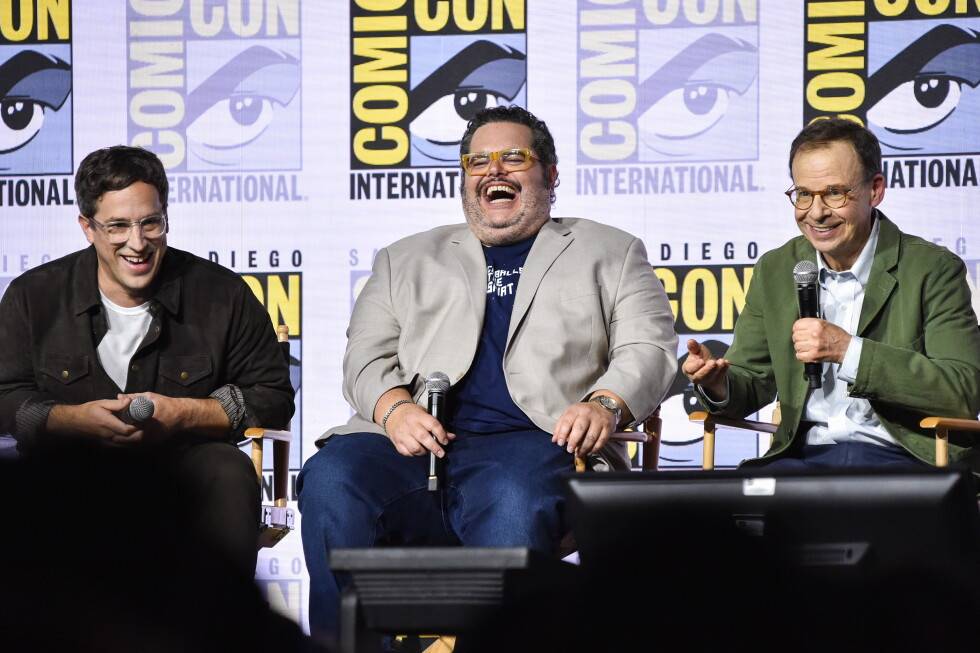
Furthermore, Moranis’ return to the role of Dark Helmet depends heavily on the specific dynamic the character requires—a volatile mix of absolute authority and deep-seated insecurity. According to production details shared during the film’s Comic-Con presentation, the sequel actively acknowledges the four decades that have passed rather than attempting to hide the actors’ ages. As fans look toward the April 2027 theatrical release, the production stands out as a rare Hollywood comeback dictated entirely by personal choice, artistic connection, and impeccable timing.
Keep reading