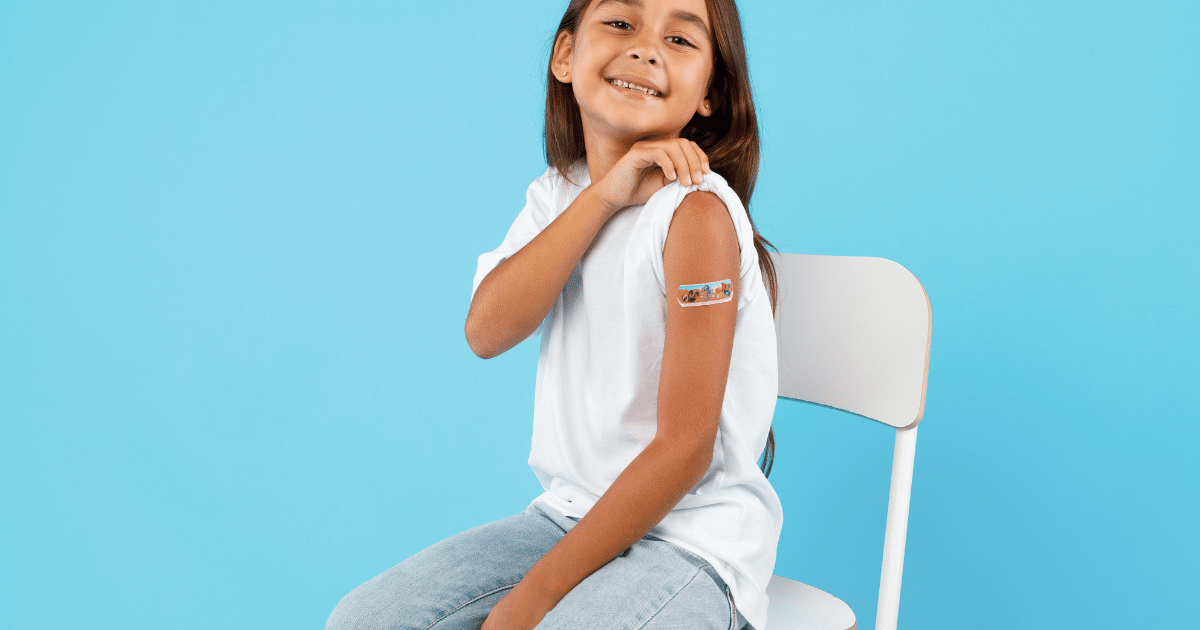
Public health authorities emphasize that maintaining a robust immune system in young children requires a structured approach centered around pediatric vaccination, balanced nutrition, adequate sleep, and consistent hygiene practices. According to global health organizations, childhood immunization remains the single most effective medical intervention for preventing severe infectious diseases and establishing long-term immunological memory.
As pediatricians and public health specialists frequently note, a child’s immune system develops rapidly during the first few years of life. Protecting this developing system involves a combination of medical safeguards and daily lifestyle habits that work synergistically to fend off pathogens.
The Essential Role of Pediatric Vaccination
Vaccines are foundational to strengthening a child’s natural defenses. By introducing weakened or inactivated antigens into the body, immunization prompts the immune system to produce specific antibodies without causing the actual disease. This process prepares the body to recognize and neutralize dangerous pathogens rapidly if exposed later in life. Public health guidelines mandate adherence to official immunization schedules to ensure children receive protection against diseases such as measles, polio, pertussis, and pneumococcal infections.
According to the World Health Organization (WHO immunization guidelines), routine vaccination prevents millions of deaths globally every year. Ensuring that children stay up-to-date with their local health authority’s vaccination calendar protects not only the individual child but also builds community immunity, safeguarding vulnerable infants who are too young to receive certain shots.
Nutritional Foundations for Immune Health
Beyond immunizations, nutrition plays a direct role in supporting immune function. A diet rich in essential vitamins, minerals, and antioxidants ensures that immune cells have the biological building blocks required to multiply and respond to infections. Pediatric nutritionists recommend a varied diet incorporating fresh fruits, vegetables, whole grains, and lean proteins.
Micronutrients such as vitamin C, vitamin D, zinc, and iron are particularly vital for maintaining mucosal barriers and immune cell activity. Parents are advised to consult pediatricians before introducing any vitamin supplements, as a balanced diet usually supplies the necessary nutrients for a growing child.
The Importance of Rest and Sleep
Sleep is a critical yet often overlooked component of childhood immunity. During deep sleep, the body releases cytokines—proteins that target infection and inflammation, effectively creating and regulating an immune response. Sleep deprivation can reduce the activity of natural killer cells and lower the body’s resistance to common viruses.
The American Academy of Pediatrics (AAP sleep guidelines) outlines specific daily sleep requirements based on age, noting that toddlers and school-age children require between 10 to 14 hours of quality rest daily to support optimal physical development, cognitive function, and immune resilience.
Hygiene Practices and Environmental Safeguards
Teaching children proper hygiene habits provides a frontline defense against infectious agents. Regular handwashing with soap and water removes pathogens acquired from surfaces, significantly reducing the transmission of gastrointestinal and respiratory illnesses. While excessive sterility can hinder immune system calibration—often referred to as the hygiene hypothesis—basic hygiene habits like washing hands before meals and after outdoor play are essential.
Maintaining a clean indoor environment free from cigarette smoke and heavy air pollutants also protects a child’s respiratory tract, preserving the integrity of the mucosal membranes that trap harmful bacteria and viruses.
Next Steps and Official Guidance
Parents seeking personalized advice regarding their child’s immune health or vaccination schedule should consult a qualified pediatrician. Official vaccine calendars, safety updates, and regional health advisories are regularly published by national health ministries and international agencies, providing reliable resources for families navigating childhood development.
We invite our readers to share their thoughts or questions on childhood health in the comments section below, and to share this article with parents and caregivers looking for evidence-based guidance.
Keep reading