
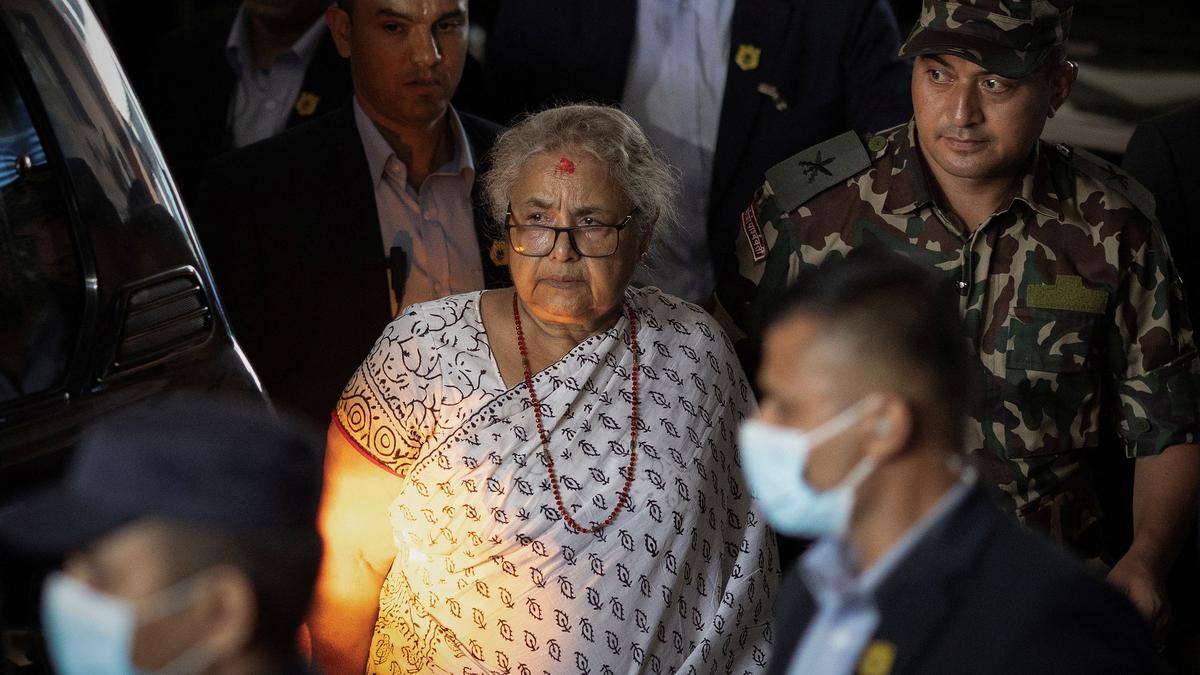
Nepal Faces Political Crisis as Parliament Dissolved
Nepal is currently navigating a important political crisis following the recent dissolution of Parliament. This move, initiated by a proposal from Interim Prime Minister Sushila Karki and swiftly approved by President Ram chandra Poudel, has sparked widespread condemnation from major political parties and legal experts. They are labeling the decision as unconstitutional and a detrimental setback for the nation’s democratic progress.
The situation unfolded rapidly on Friday, September 14, 2025, raising serious concerns about the stability of Nepal’s government and the future of its democratic institutions.
Widespread Criticism of the Dissolution
Across the political spectrum,the dissolution of Parliament has been met with strong opposition. Here’s a breakdown of the reactions from key players:
* Nepali Congress (NC): The country’s largest political party has firmly warned against any actions that violate the Constitution. They assert that the dissolution jeopardizes the democratic achievements Nepal has made.
* CPN-UML: Leaders within the CPN-UML have expressed deep concern, describing the move as “ironically concerning.”
* CPN (Maoist Center): This party also voiced strong disagreement, emphasizing that the decision contradicts the country’s constitutional framework.
Nepali Congress general Secretary bishwa Prakash Sharma underscored the gravity of any constitutional breach, stating it raises fundamental questions about the rule of law. The party’s Central Executive Committee meeting concluded that the dissolution is fundamentally unconstitutional and goes against previous Supreme Court interpretations.
Understanding the Context
You might be wondering how this situation arose. The recommendation to dissolve Parliament came during the first Cabinet meeting led by Interim Prime Minister Karki. This decision has ignited a debate about the limits of presidential power and the proper interpretation of Nepal’s Constitution.
This isn’t simply a political disagreement; it’s a challenge to the very foundations of Nepal’s democratic system.It’s crucial for you to understand that the stability of a nation relies on upholding its constitutional principles.
What This Means for Nepal
The dissolution of Parliament creates a period of uncertainty for Nepal. It raises questions about the path forward and the potential for political instability.
Here are some key implications:
* Constitutional Crisis: the legality of the dissolution is being challenged, potentially leading to a constitutional crisis.
* Political Uncertainty: The future of the government and the timing of new elections are now unclear.
* Democratic Backsliding: Critics fear this move could represent a step backward for Nepal’s democratic progress.
As the situation evolves, it’s vital to stay informed and understand the implications for Nepal’s future. This is a developing story, and further developments are expected as legal challenges and political negotiations unfold.
This situation demands careful attention and a commitment to upholding the principles of democracy and the rule of law in Nepal.


