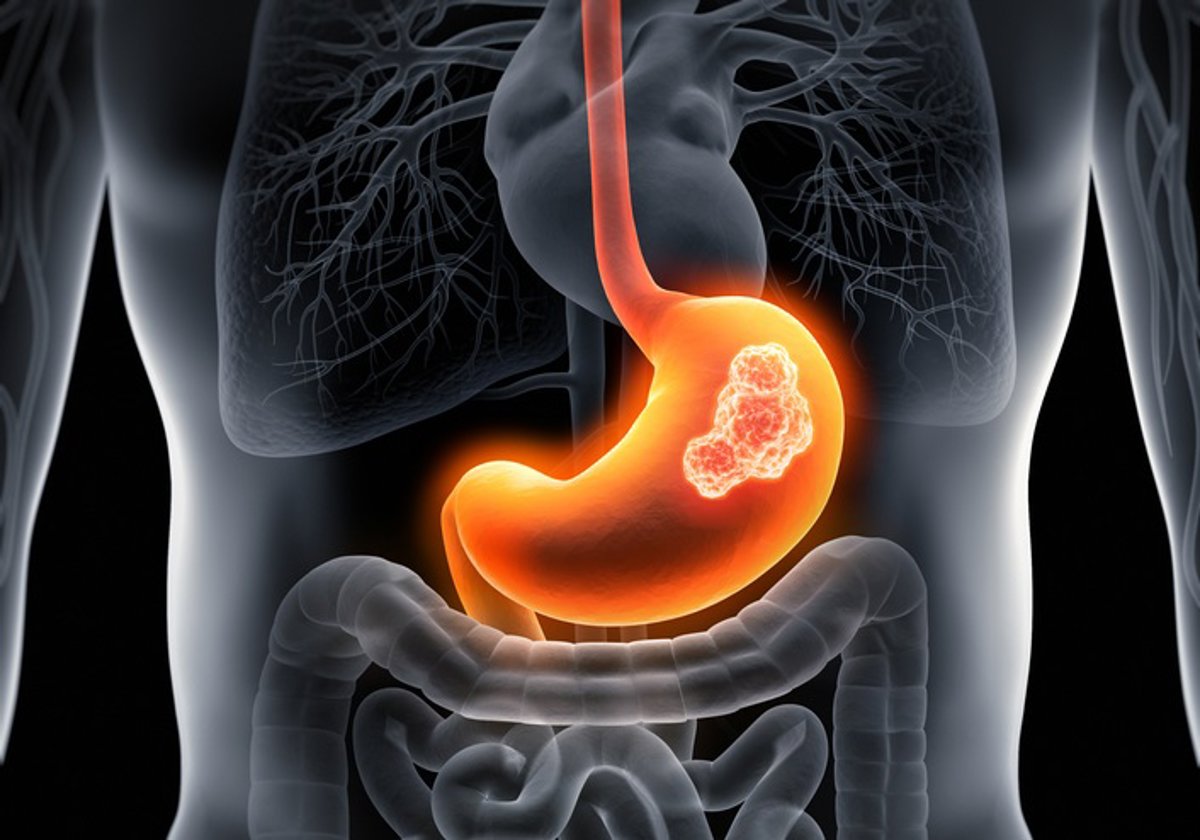
The connection between your gut health and cancer development is becoming increasingly clear, and recent research points to a specific bacterium, streptococcus suis (Sa), as a potential player in the progression of gastric cancer. This isn’t simply about a bug being present; it’s about how this bacterium influences your body’s metabolism and fuels tumor growth. Understanding this link could revolutionize how we approach both the prevention and treatment of this disease.
The Role of Streptococcus suis in Gastric Cancer
For years, scientists have known that certain metabolic changes occur in cancer cells, allowing them to grow and spread rapidly. What’s new is the discovery that bacteria in your gut can actively contribute to these changes. Studies have demonstrated that Sa, when present in the gut, can exacerbate tumor development, and researchers have now confirmed these tumor-promoting effects.
Methionine, an essential amino acid, is crucial for human health, but it can also be a double-edged sword. Previous research indicated that methionine can stimulate the growth of various cancer cells. Specifically, methionine increases the expression of MAT2A, a protein that facilitates its transport into cells. This influx of methionine provides energy to tumor cells, accelerating their proliferation.
Recent metagenomic analysis revealed a meaningful enrichment of Sa within the gut microbiome of patients diagnosed with gastric cancer. Simultaneously, researchers observed a notable increase in the methionine biosynthesis pathway. A strong positive correlation was identified between the abundance of Sa and levels of methionine, suggesting a direct relationship. Further metabolomic analysis confirmed elevated levels of methionine-related metabolites within tumor tissues.
Identifying the specific bacterial strains responsible for contributing to cancer has been a major hurdle due to the immense diversity of microbial species. However, researchers successfully isolated and cultivated three strains of Sa directly from gastric tumor samples. These strains were then rigorously tested and confirmed to possess the ability to synthesize methionine, and importantly, demonstrated tumor-promoting effects in both mouse models and gastric cancer cell lines.
To further validate these findings, comparative genomic analysis confirmed the presence of the metE gene – essential for methionine biosynthesis – in all Sa strains examined. This included strains sourced from the BGI Shenzhen human Gut and Oral Microbiome Repository, reinforcing the widespread presence of this gene within the species.
Could Streptococcus suis Serve as a Biomarker for gastric Cancer?
This research unveils a clear connection between microbial metabolism and tumor growth, highlighting methionine derived from bacteria as a key driver. Streptococcus suis holds promise as both a biomarker and a potential therapeutic target for gastric cancer. The isolated clinical strains provide a valuable foundation for further inquiry into their diversity and pathogenic mechanisms, supporting the development of more precise preventative strategies.
By revealing how Sa alters host metabolism, this study underscores the critical role of microbial metabolites in cancer development. The isolated clinical strains pave the way for in-depth exploration of Sa’s diversity and pathogenicity, offering new avenues for the prevention and precision control of gastric cancer.
Did You know? Recent studies suggest that approximately 20% of cancers are linked to infectious agents,including bacteria,viruses,and parasites.
I’ve found that understanding the microbiome is no longer a niche area of research; it’s rapidly becoming central to our understanding of many diseases, including cancer. The ability to identify specific bacterial contributions, like that of Sa, is a significant step forward.
here’s what works best when considering your gut health: a diverse diet rich in fiber, fermented foods, and limited processed sugars can help foster a healthy microbiome. This, in turn, can potentially reduce your risk of various health issues, including certain cancers.
Pro Tip: Consider incorporating prebiotic and probiotic-rich foods into your diet to support a balanced gut microbiome. Foods
Related reading