Nepal’s Uncertain Future: A Nation Grappling wiht Democracy, Development, and a Resurgent Monarchy
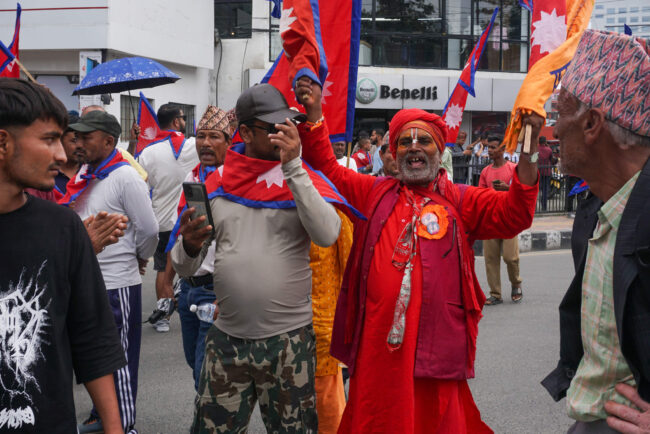
Nepal stands at a crossroads. Despite significant strides in development and poverty reduction, a surprising undercurrent of support for restoring the monarchy is surfacing amidst public discontent. This article delves into the complexities of Nepal’s political landscape, examining the gains made, the frustrations felt, and the unlikely resurgence of royalist sentiment.
A Decade of Progress, Yet Dissatisfaction Persists
Significant progress has been made in Nepal since the abolition of the monarchy in 2008. By July of this year, all 77 district headquarters were connected by road, a monumental achievement for a mountainous nation. Electricity now reaches 99% of the population, a dramatic increase from 58% in 2016.
Furthermore, poverty rates have plummeted. More than half the population lived in poverty in 1995, but current projections estimate this figure below 6%. Extreme poverty,according to World Bank data,is nearly eradicated.
Though, these advancements haven’t translated into universal satisfaction. Public expectations remain high, and some citizens are voicing disillusionment with the current democratic system.
The Unexpected Appeal of a Bygone Era
Surprisingly, calls for the reinstatement of the monarchy are growing. Pradeep Kumar Gyawali, a leader from the Communist Party of Nepal-UML, acknowledges this discontent, suggesting “royalists have used this discontent to their own advantage.” He believes this represents an attempt by monarchists to regain power.
To some, the longing for the monarchy isn’t about embracing the past, but rather a reaction to perceived failures of the present. Political analyst Krishna Pokharel argues the monarchy’s abolition stemmed from its own authoritarian tendencies,coupled with democratic movements and the Maoist insurgency.
He emphasizes that attempts to revive the monarchy hinder genuine democratic progress. pokharel believes it’s unrealistic to expect widespread acceptance of restoration, especially now that ordinary citizens can aspire to the presidency. People simply desire leaders who deliver better results.
Constitutional Hurdles and Political Realities
Restoring the monarchy wouldn’t be a simple undertaking. Bipin Adhikari, a constitutional scholar, explains it would require constitutional amendments. this process demands a two-thirds majority in Parliament and a public referendum.
Former government spokesperson Prithvi Subba Gurung deems this highly improbable. “A monarchy will not come if a few people jump up and down,” he asserts. Gurung believes the pro-monarchy movement lacks legitimacy and is unlikely to gain significant traction.
The Human Cost of Political Instability
Beyond the political maneuvering, real people are caught in the crosscurrents. Malla, a woman whose husband died during protests in march, embodies this struggle.She desperately seeks justice for his death, hoping the government will launch a thorough inquiry.
Instead of offering support,she claims the government offered 1 million Nepali rupees (approximately US$7,048) in compensation,effectively “putting a price tag” on her husband’s life. “Is my husband worth only 1 million?” she poignantly asks.
Her daughter now returns from school in tears, yearning for her father. Malla confesses she can only offer her own tears in response. This heartbreaking situation underscores the human cost of political instability and the urgent need for accountability.
Looking Ahead: Navigating a Complex Path
Nepal’s future remains uncertain. While the nation has made remarkable progress, addressing public discontent and ensuring justice for victims of political violence are crucial.The unlikely resurgence of monarchist sentiment highlights the fragility of Nepal’s democracy and the need for strong, responsive leadership.
Ultimately, Nepal’s path forward depends on its ability to build a more inclusive, equitable, and accountable political system that truly serves the needs of its people. This requires not just economic development, but also a commitment to justice, clarity, and good governance.
Related reading