Nepal‘s Social Media Ban: A Crackdown on Dissent Amidst Economic Despair
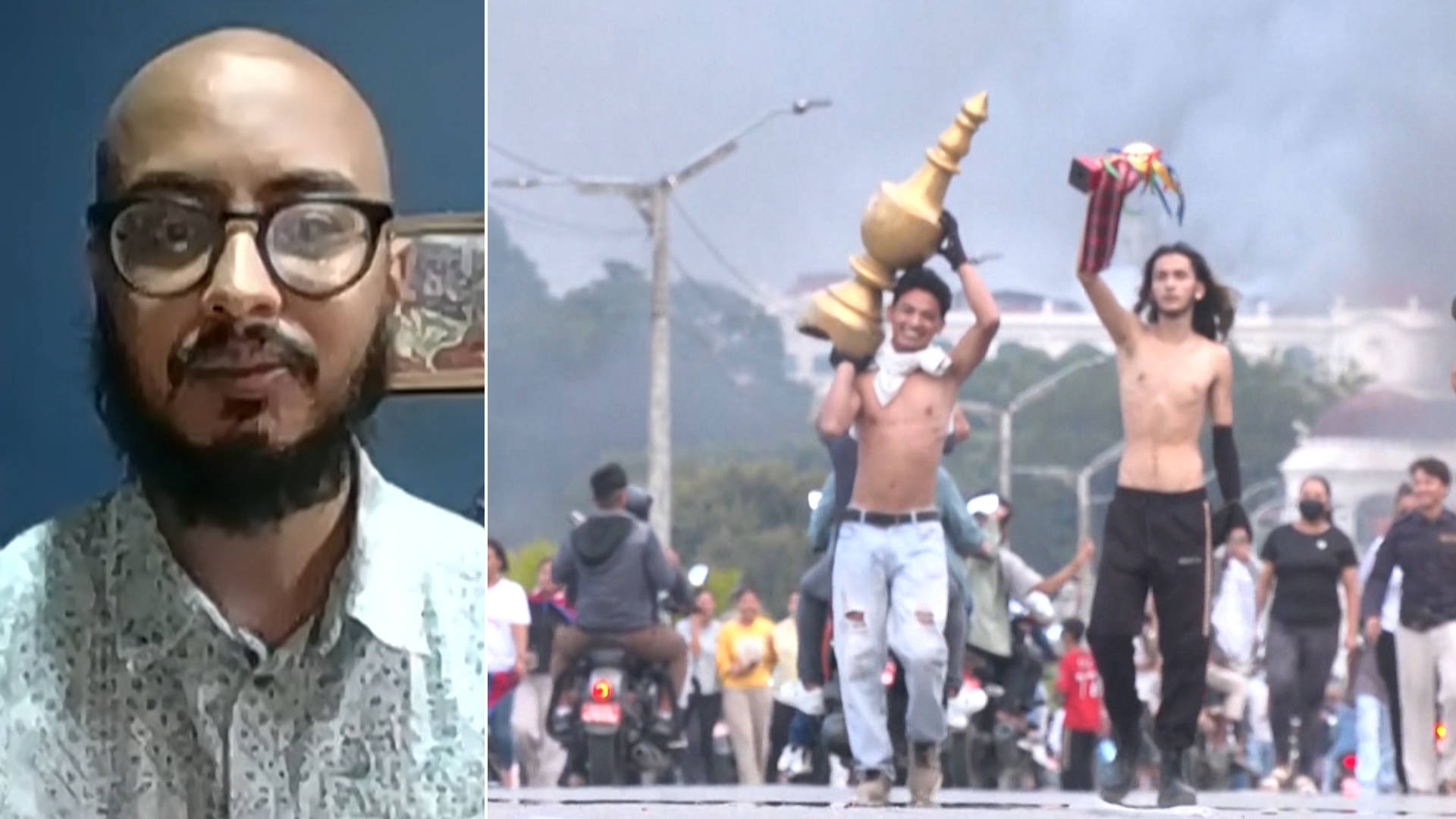
Nepal recently enacted a ban on social media platforms,a move sparking widespread protests and raising serious concerns about freedom of speech and government overreach. This wasn’t a sudden decision, but the culmination of years of escalating tension between the Nepali government and major tech companies like Meta and Alphabet. The ban, however, coincides with a period of notable economic hardship and growing youth discontent, creating a volatile situation with regional implications.
A Long-Simmering dispute with Tech Giants
For several years, successive Nepali governments have sought to compel social media networks to establish a formal presence within Nepal. This included registering their operations and appointing a local representative. The stated aim was to facilitate the swift removal of content deemed “offensive” – a broadly defined category that has become a point of contention.
However, tech giants consistently resisted these demands. Their refusal stemmed from a lack of clear legal framework.The government’s attempts to enforce registration were based on an executive directive, not an act of Parliament. Companies argued, rightfully, that they couldn’t be legally obligated to comply with a directive lacking legislative backing. This created a stalemate, with the government feeling unable to effectively regulate online content and the companies citing a need for clear, legally sound regulations.
The situation reached a head when the government issued a seven-day ultimatum, threatening a complete ban if platforms failed to register. When the deadline passed without compliance, the ban was implemented.
The Spark: Protests and suppression of Dissent
The timing of the ban was particularly sensitive. It coincided with a powerful, youth-led movement gaining momentum on social media. This movement focused on widespread corruption and nepotism within the Nepali political establishment, specifically targeting the families of current politicians.
For many young nepalis, social media provided a crucial platform to voice their frustrations and organize collective action. The ban was immediately perceived as a deliberate attempt to silence dissent and suppress free speech, fueling immediate and widespread protests. The youth saw the government’s action not as a measure to combat offensive content, but as a direct attack on their ability to hold power accountable.
Nepal’s Economic Crisis and the Exodus of Youth
The protests against the ban are inextricably linked to the deep-seated economic anxieties plaguing Nepal. The country’s economy is overwhelmingly reliant on remittances sent home by Nepali citizens working abroad - accounting for roughly 25% of the nation’s GDP.The vast majority of these migrant workers take on physically demanding,low-paying jobs in countries like Qatar,Saudi Arabia,Malaysia,and South Korea.
This reliance on remittances highlights a critical issue: a lack of economic opportunity within Nepal itself. Many young Nepalis feel they have no viable future in their homeland. The earning potential for even skilled professionals is frequently enough substantially lower than what can be achieved thru manual labor abroad.
This economic desperation drives a mass exodus of young people, who often choose to migrate immediately after completing their education. The result is a “brain drain” that further hinders Nepal’s growth and perpetuates a cycle of economic dependence. The current unrest isn’t simply about political corruption; it’s a manifestation of a deeper frustration with a system that fails to provide opportunities for its citizens.
A Regional Pattern of Discontent
Nepal’s situation isn’t isolated. Across South Asia, we’re witnessing a surge in youth-led protests fueled by economic hardship and perceived government failures.Sri Lanka’s economic collapse and subsequent protests in 2022 serve as a stark example. More recently, Bangladesh experienced significant unrest following the July Revolution, which led to the ousting of Sheikh Hasina. In Indonesia, the tragic killing of a 21-year-old delivery driver sparked widespread protests highlighting similar grievances.
These events demonstrate a growing regional trend: young populations, increasingly connected through social media, are demanding economic justice and political accountability. The Nepali government’s attempt to control the flow of information through a social media ban is a reactive measure that fails to address the underlying economic and political issues driving this discontent.
Looking Ahead
The future remains uncertain. The social media ban is highly likely to further erode trust in the government and exacerbate existing tensions. A sustainable solution requires a multi-faceted approach:
* Legislative Clarity: The government must prioritize enacting clear and comprehensive laws governing social media regulation, balancing freedom of expression with legitimate concerns about harmful content.
* Economic Diversification: Reducing Nepal’s reliance on remittances requires investing in domestic industries, creating job opportunities, and fostering a more diversified economy.
* **Good governance
Related reading