Nepal Erupts in Protests: A Nation Demands Accountability and Change
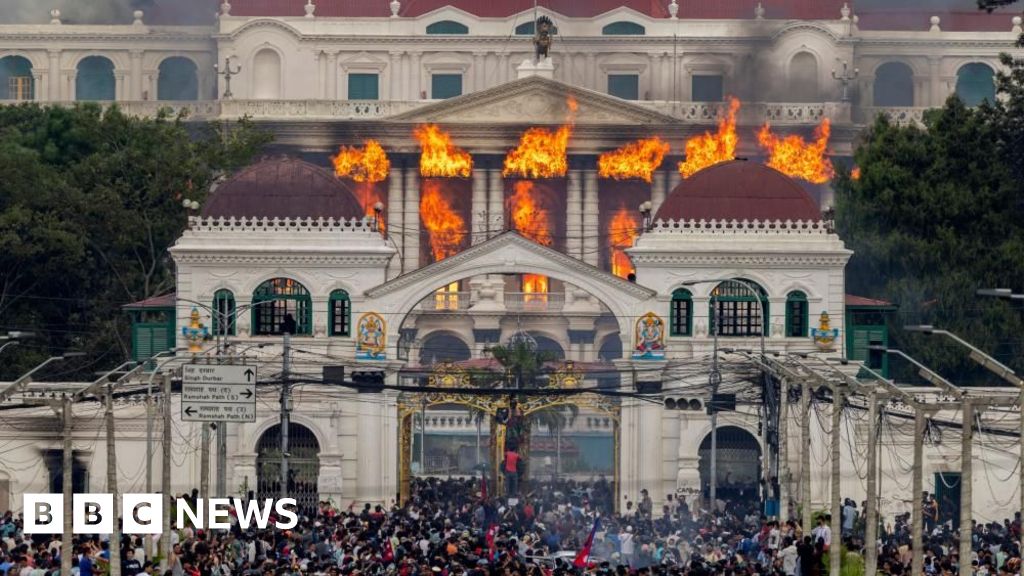
Nepal is currently grappling with widespread unrest, fueled by deep-seated frustration over corruption and perceived government overreach. Recent protests, largely driven by the country’s youth – particularly Generation Z – have escalated into scenes of chaos, including attacks on government buildings and the residences of prominent political figures. This article provides a thorough overview of the situation, its origins, and potential implications.
the Spark: Social Media and a Growing Discontent
The immediate catalyst for the current crisis appears to be the government’s recent attempt to regulate social media platforms. Last week, authorities ordered a ban on 26 platforms, including Instagram and Facebook, citing concerns about fake news, hate speech, and online fraud. Though, this move was widely condemned by young Nepalis as a direct assault on free speech.
This ban, though swiftly lifted after an emergency government meeting on Monday night – a direct response to pressure from “Gen Z” – proved to be a tipping point.It ignited pre-existing anger simmering beneath the surface, particularly regarding allegations of corruption and nepotism within the political elite.
#NepoKids and the Erosion of Trust
In the weeks leading up to the social media ban, a viral campaign dubbed “#NepoKids” gained meaningful traction. This campaign shone a spotlight on the lavish lifestyles enjoyed by the children of politicians,fueling accusations of corruption and a widening gap between the ruling class and ordinary citizens.You can see how this would breed resentment.this campaign tapped into a broader sentiment: a growing belief that the current system is rigged in favor of those with connections, leaving hardworking Nepalis feeling disenfranchised. It’s a familiar story, but one that’s reached a boiling point in Nepal.Protests escalate: From Parliament to Party Headquarters
The protests began spontaneously, lacking a centralized leadership structure. However, they quickly gained momentum, drawing large crowds to the capital, Kathmandu.
Here’s a timeline of the escalating events:
Monday: Thousands attempted to storm Parliament, leading to the imposition of curfews in several districts. Tragically, several deaths occurred around Parliament and government buildings.
Tuesday: Protesters torched the headquarters of the Nepali Congress Party, a key member of the governing coalition, and the home of its leader, Sher Bahadur Deuba. The residence of KP Oli, a four-time Prime Minister and leader of the Communist Party, was also set ablaze.
A Prime Minister Resigns Amidst the Chaos
Facing mounting pressure and a nation in turmoil, KP Oli announced his resignation on Tuesday. In a letter to President Ramchandra Paudel, Oli stated his decision was intended to “facilitate the solution to the problem and to help resolve it politically in accordance with the constitution.” president Paudel has accepted the resignation and initiated the process of selecting a new leader.
What Do the Protesters Want?
While the protests initially lacked specific demands beyond a broad call for an end to corruption, a clear message is emerging.
Accountability: Protesters are demanding greater transparency and accountability from their leaders.
Economic Justice: Ther’s a strong desire for a fairer economic system where taxes are used effectively to benefit all citizens, not just a select few. As Kathmandu resident Muna Shreshta, 20, told the BBC, “It is indeed high time our nation…changes, as we need to change.”
Systemic Change: Many believe a fundamental overhaul of the political system is necessary to address the root causes of corruption and inequality.The Road Ahead: Uncertainty and Prospect
The situation in Nepal remains fluid and unpredictable. The resignation of KP Oli is a significant advancement, but it doesn’t guarantee a swift resolution.
Several key questions remain:
Who will be the next Prime Minister? The selection process will be crucial in determining the future direction of the country.
Will the new leadership address the protesters’ concerns? Genuine dialog and concrete action are essential to restore trust and prevent further unrest. Can Nepal navigate this crisis and emerge stronger? This moment presents an opportunity for meaningful reform and a more inclusive, accountable government.
Expert Analysis: A Nation at a Crossroads
As someone who has followed political developments in south Asia for years, I
Worth a look