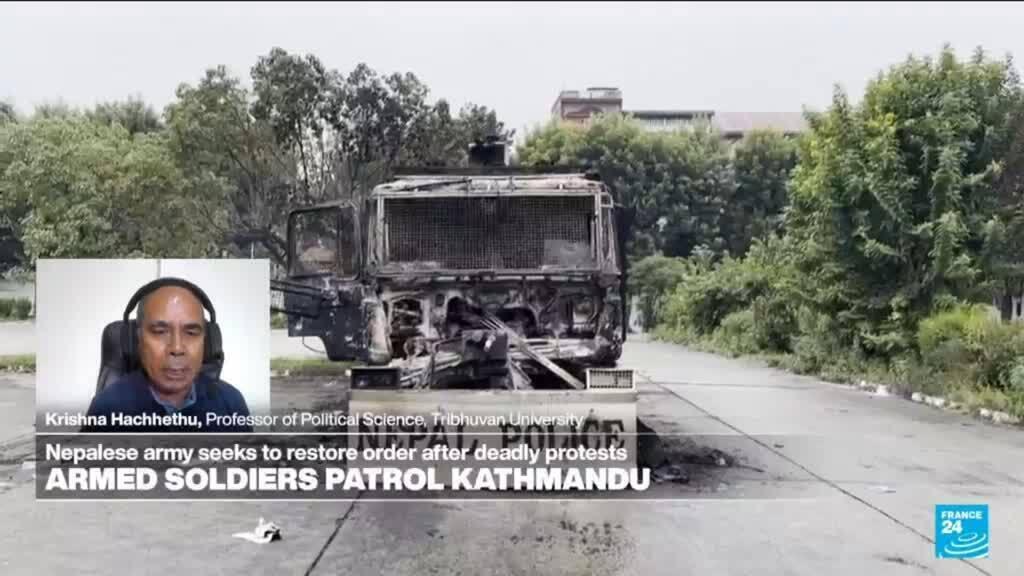
Nepal‘s Political Transition: The Rise of Sushila Karki and Gen Z’s Influence
Nepal is currently navigating a period of significant political upheaval, marked by recent demonstrations spearheaded by Generation Z and the subsequent resignation of the Prime Minister. Amidst this instability,a compelling figure has risen too prominence: Sushila Karki,the nation’s first female Chief Justice,now being championed by protestors as a potential interim leader. This surge in support for the 73-year-old jurist signals a pivotal moment in Nepal’s political landscape, reflecting a desire for experienced leadership and systemic change. As of September 12,2025,the country is grappling with how to move forward following deadly unrest,and Karki’s potential role is at the center of the debate.
The Context of Unrest and Prime Ministerial Resignation
The recent political crisis stems from escalating public dissatisfaction, fueled by a confluence of factors including economic hardship, perceived governmental corruption, and a lack of responsiveness to citizen concerns. Protests, initially focused on specific grievances, broadened into widespread calls for systemic reform and accountability. The intensity of these demonstrations ultimately led to the Prime Minister’s resignation, creating a power vacuum and triggering a search for an interim solution.According to a recent report by the International Crisis group (August 2025), Nepal’s political instability is exacerbated by deep-seated ethnic and caste divisions, making consensus-building particularly challenging.
| Key Figure | Role | Importance |
|---|---|---|
| Sushila Karki | Former Chief Justice | First female Chief Justice of Nepal; now a leading candidate for interim leadership. |
| Krishna Hachhethu | Professor of Political Science | Provides expert analysis on Nepal’s political situation at Tribhuvan University. |
| Generation Z | Protest Movement | Driving force behind recent demonstrations, advocating for political change. |
Gen Z’s Pivotal Role and the Karki Endorsement
What distinguishes this period of unrest is the prominent role played by Nepal’s Generation Z. Utilizing social media platforms and organizing through digital networks,these young citizens have demonstrated an unprecedented level of political engagement. They aren’t simply reacting to events; they are actively shaping the narrative and demanding a voice in the future of their nation. Did You Know? A survey conducted by the Nepal Youth foundation (July 2025) revealed that 85% of Nepali Gen Z citizens actively participate in online political discussions.
This generation’s embrace of Sushila Karki is particularly noteworthy. Her reputation for independence, integrity, and a commitment to upholding the rule of law resonates deeply with a demographic disillusioned by traditional political actors.Karki’s historic appointment as Chief Justice in 2016 – a landmark moment for gender equality in Nepal – further enhances her appeal. The endorsement isn’t merely symbolic; Gen Z is actively mobilizing support for her candidacy, leveraging their digital prowess to amplify her message and pressure political stakeholders.
“The support for Karki from Gen Z is a clear indication of their desire for a leader who embodies principles of justice and accountability. They see her as a break from the past and a symbol of hope for a more transparent and equitable future.”
Analyzing karki’s Potential Leadership
Sushila Karki’s background as a jurist provides a unique perspective on Nepal’s challenges. Her experiance navigating the complexities of the legal system, coupled with her demonstrated commitment to constitutional principles, positions her as a perhaps stabilizing force. However, her appointment as interim leader isn’t without potential hurdles.Some political factions may resist her candidacy, viewing her as an outsider or fearing her commitment to reform.
Pro Tip: Understanding Nepal’s multi-party political system is crucial to grasping the dynamics at play. The country has a history of coalition governments and frequent changes in leadership, making consensus-building a constant challenge.
Furthermore, the role of an interim leader is inherently limited. Karki’s primary mandate would be to oversee the transition to new elections and ensure a peaceful transfer of power. She would likely face constraints in implementing significant policy changes. Still, her presence could be instrumental in restoring public
Related reading