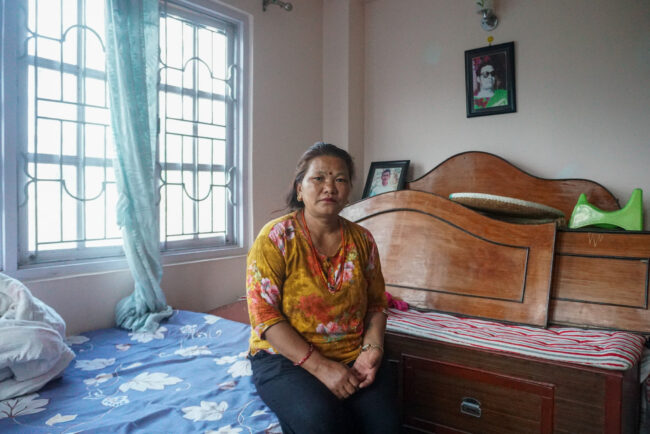
A nepali Migrant Worker’s Desperate Appeal Against a Saudi Death Sentence
The case of Babulal Tamang, a Nepali citizen sentenced to death in saudi Arabia, highlights the profound risks faced by migrant workers and the agonizing uncertainty their families endure. His story is a stark reminder of the vulnerabilities within the global labor system and the critical need for robust consular support.
Tamang recently filed an appeal against his conviction, but the timeline for a decision remains unknown, leaving his family in a state of perpetual anxiety. His wife shares that he doesn’t know when, or if, his sentence will be carried out.
A Lifetime Spent Seeking Possibility
Babulal Tamang’s journey began 27 years ago, leaving his home in the Sindhupalchowk district of Nepal. He sought economic opportunity in the Persian Gulf, driven by a simple desire: to provide his children with an education he himself never received.He completed only eighth grade.
Initially, his earnings were meager, around 10,000 rupees (approximately $71 USD) per month. Yet, he persevered, hoping to build a better future for his family. This dedication underscores the sacrifices countless migrant workers make, frequently enough facing challenging conditions and limited protections.
A Frustrating Search for assistance
His family has tirelessly sought help from Nepali authorities. They’ve visited the Foreign Employment Welfare Board, the Ministry of Foreign Affairs, and the Consular Department, pleading for assistance with his appeal. Unfortunately, they report receiving no substantive response to their requests.
This lack of interaction is a common frustration for families of migrant workers facing legal challenges abroad.It emphasizes the importance of proactive and responsive consular services.
Glimmers of hope and Heartbreaking Conversations
While imprisoned, Tamang manages to call his wife weekly, though conversations are limited to just a few seconds. During one recent call, she recounts his heartbreaking words: “I will die here in prison. please take care of my parents and children, and perform a grand puja on the 13th day of my death.” This refers to a Hindu mourning ritual.
Despite the grim circumstances, Tamang maintains his innocence. He has repeatedly told his wife, ”I didn’t kill anyone.I didn’t steal. I just did my duty. I will be released from prison.” His unwavering belief in his eventual freedom offers a small measure of hope.
A Family united in Worry
Sunita Tamang, his wife, deeply believes in her husband’s innocence. After nearly three decades of marriage, she expresses profound regret for not having spent more time with him. This sentiment resonates with manny families separated by the demands of migrant work.
His mother, Urma Tamang, 73, lives each day hoping for his return. Her worries are simple yet profound: “What has my son eaten in prison? Is he sleeping on the cold floor? Has he had a haircut?” These questions reveal the deep emotional toll this ordeal takes on loved ones.
Tamang’s sister, Anisha Tamang, acknowledges the uncertainty but clings to a faint hope for his life. “During the day, our family only talks about our brother,” she says.”But when night falls, our worries about him rob us of sleep.”
The Plight of Migrant Workers
Babulal Tamang’s case is not isolated. It represents the broader vulnerabilities faced by millions of migrant workers worldwide. These individuals often leave their homes and families in search of economic opportunity, only to encounter exploitation, legal challenges, and limited access to support.
You can help raise awareness about the challenges faced by migrant workers by:
* Supporting organizations that advocate for their rights.
* Contacting your elected officials to urge them to prioritize migrant worker protections.
* Sharing stories like Babulal Tamang’s to shed light on this critical issue.
The outcome of Tamang’s appeal remains uncertain, but his story serves as a powerful call for greater protections and support for migrant workers and their families. Its a reminder that behind every statistic, there is a human life, a family, and a