The Hidden Scars of Migration: Healing Trauma for Nepali Workers exploited Abroad
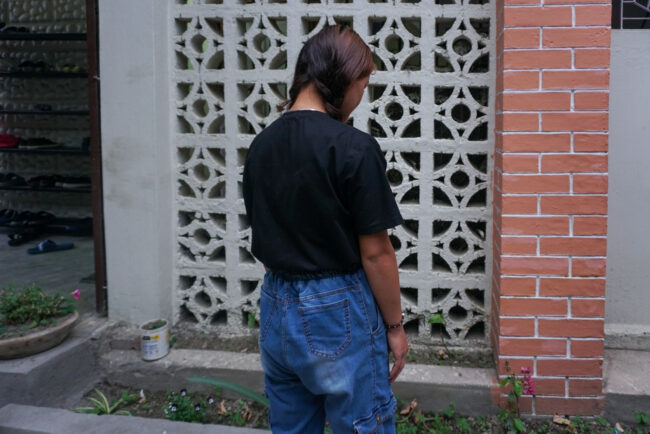
Maya Tamang stands outside the Mukti Foundation shelter home, a beacon of hope for Nepali migrant workers returning from abusive labor situations. This facility provides crucial counseling and support, helping individuals rebuild their lives after facing unimaginable hardship. Her story,like many others,reveals the dark underbelly of overseas employment and the long road to recovery for those exploited and traumatized.
Facing Exploitation and Abuse
Tamang and other Nepali women describe grueling workdays stretching to 20 hours, often as domestic workers in foreign countries. They were responsible for cleaning businesses and private homes, alongside childcare and laundry duties. Consistent and timely payment proved elusive,adding to their distress.
Tamang endured approximately 14 months of hardship in iraq before finally returning home. However, her relief was overshadowed by the constant fear and repeated abuse she experienced. She recounts a harrowing incident where her employer physically assaulted her, kicking her off a ladder and inflicting injuries to her nose and head.
Further compounding the trauma, her employer subjected her to public humiliation, striking her face in front of his wife and berating her work ethic. “I was always afraid,” she shares, “I wanted to come to Nepal.”
Interaction with her family was cruelly severed when the job broker confiscated her cellphone. A terrifying episode occurred when her employer induced fainting by having her inhale fumes from a cloth.Upon regaining consciousness, Tamang experienced severe stomach pain and a stabbing sensation.
Ultimately, she was forced to pay 140,000 rupees (approximately $989 USD) to the broker to terminate her contract and return to Nepal.
The Physical and Emotional Toll
Back in Nepal, Tamang’s fainting spells persisted. Seeking refuge and support, she turned to the mukti Foundation in Lalitpur, a city just 7 kilometers (4.5 miles) from Kathmandu.This organization offers comprehensive assistance to survivors of human trafficking, including counseling, legal aid, education, skills training, and reintegration support.
shelter staff facilitated a visit to Nepal Mediciti hospital, where a shocking discovery was made. Surgeons removed seven needles from her body - remnants of deliberate torture inflicted during her employment.
Psychologist Bandhana Sharma at the shelter diagnoses Tamang with bipolar disorder, exacerbated by the “deep emotional trauma” she endured in Iraq.The healing process will be lengthy and complex.”The wound,” Sharma emphasizes, “will take time to heal.”
Understanding the Scope of the Problem
Stories like Tamang’s are tragically common. Many Nepali migrant workers, especially women, seek employment abroad to improve their families’ financial situations. However, they often fall prey to unscrupulous recruitment agencies and exploitative employers.
Here’s a breakdown of the challenges faced by these workers:
* Deceptive Recruitment: False promises regarding job roles, salaries, and working conditions are prevalent.
* Confiscation of Documents: Passports and other identification are often seized, trapping workers in abusive situations.
* Debt Bondage: High recruitment fees and exploitative loan terms create a cycle of debt.
* Physical and Psychological Abuse: Workers frequently endure physical violence, verbal harassment, and emotional manipulation.
* Limited Access to Justice: Navigating foreign legal systems and seeking redress can be incredibly tough.
The Role of support Organizations
Organizations like the Mukti Foundation are vital in providing a lifeline for survivors. They offer a range of services designed to address the multifaceted needs of those who have been exploited:
* Safe Shelter: Providing a secure and supportive surroundings.
* Medical Care: Addressing physical injuries and mental health concerns.
* Psychological counseling: helping survivors process trauma and develop coping mechanisms.
* Legal Assistance: Advocating for their rights and pursuing justice.
* Skills Training: Equipping them with the tools to rebuild their lives.
* Reintegration Support: Facilitating their return to their communities and families.
What You Can Do to Help
If you are concerned about the welfare of Nepali migrant workers, consider these actions:
* Support Reputable Organizations: Donate to or volunteer with organizations like the Mukti Foundation.
* **Raise Awareness