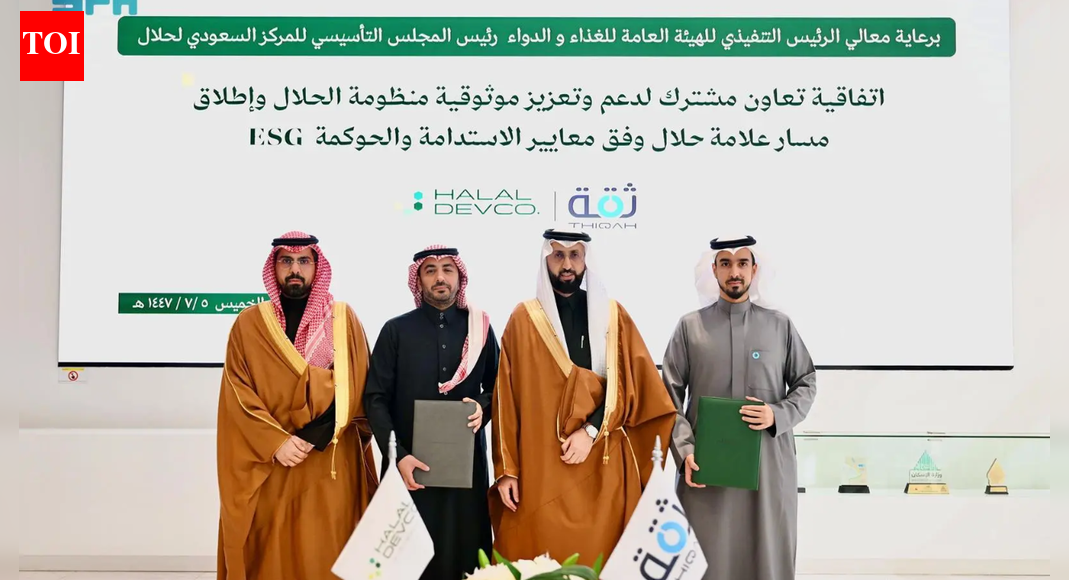
Saudi Arabia’s Halal Mark Track: Pioneering a Sustainable & Trustworthy Future for the global Halal Economy
(Image: Saudi Arabia unveils ESG-aligned Halal Mark Track, enhancing trust, sustainability, and global halal market growth/Image: SPA)
Are you involved in the global Halal market? Do you want to ensure your products not onyl meet stringent religious requirements but also align with growing consumer demand for ethical and sustainable practices? Saudi Arabia is taking a bold step to redefine the industry with the launch of its innovative Halal Mark Track – a programme poised to reshape trust, openness, and growth within the $3.2 trillion global Halal economy.
This isn’t just about certification; it’s about building a future-proof Halal ecosystem.let’s delve into what this groundbreaking initiative means for businesses, consumers, and the future of Halal trade.
What is the Halal mark track and Why Does it Matter?
The Halal Mark Track, introduced by the Saudi Halal Center, represents a significant evolution in Halal certification. Traditionally focused on adherence to Islamic dietary laws, the new track integrates these standards with Environmental, Social, and Governance (ESG) principles. This holistic approach signifies a paradigm shift, moving beyond simply what a product is to how it’s made and its broader impact.
Why is this crucial? Consumers are increasingly conscious of the ethical and environmental footprint of their purchases. A recent study by Nielsen found that 73% of global consumers are willing to pay more for sustainable goods. The Halal Mark Track directly addresses this demand, offering a powerful differentiator for businesses seeking to appeal to this growing market segment.
The Pillars of the Halal Mark Track: A Deep Dive
The Saudi Halal Centre, operating under the Saudi Food and Drug Authority, has partnered with the Halal Product Development Company (owned by the Public Investment Fund) and THIQAH to bring this vision to life. Here’s a breakdown of the key components:
* Enhanced Transparency & Reliability: The initiative aims to eliminate ambiguity and build confidence in Halal products through a robust and verifiable system.
* ESG Integration: This is the core innovation. The Halal Mark Track doesn’t just verify adherence to Halal standards; it assesses a company’s commitment to:
* Environmental sustainability: Responsible sourcing, waste reduction, and minimizing environmental impact.
* Social Responsibility: Fair labor practices, community engagement, and ethical treatment of stakeholders.
* Good Governance: Transparency, accountability, and ethical buisness conduct.
* Advanced evaluation system: Developed through the collaboration between the Halal Product Development Company and THIQAH, this system employs precise criteria to evaluate products and services, ensuring consistent and rigorous assessment.
* Global Competitiveness: By meeting both halal and ESG standards, businesses gain a competitive edge in regional and international markets, attracting ethically-minded consumers and investors.
Benefits for Businesses: Beyond Certification
The halal Mark Track offers a wealth of benefits for companies operating within the Halal sector:
* Increased Market Access: The mark signals a commitment to quality, ethics, and sustainability, opening doors to new markets and consumer segments.
* Enhanced Brand Reputation: Demonstrating ESG compliance builds trust and strengthens brand loyalty.
* Operational Efficiency: The evaluation process encourages businesses to streamline operations and adopt sustainable practices, leading to cost savings and improved efficiency.
* Attracting Investment: ESG-focused companies are increasingly attractive to investors seeking responsible and sustainable investments.
* alignment with Global Standards: The track ensures compliance with evolving international regulations and consumer expectations.
Saudi Arabia’s Vision: Becoming a Global Halal Hub
The launch of the Halal mark Track is a strategic move by Saudi Arabia to solidify its position as a leading global hub for the Halal industry. The Kingdom recognizes the immense potential of the Halal economy and is actively investing in infrastructure, innovation, and regulatory frameworks to capitalize on this growth.
This initiative isn’t just about attracting foreign investment; it’s about fostering a thriving domestic Halal ecosystem and promoting Saudi Arabia as a centre of excellence for Halal standards and best practices.
Evergreen Insights: The Future of Halal is Sustainable
The integration of ESG principles into Halal certification isn’t a fleeting trend – it’s a fundamental shift in the industry. we can expect to see this model replicated globally as consumers and regulators increasingly prioritize sustainability and ethical sourcing.
Here are some key takeaways for the long term:
* Traceability will be paramount: Consumers will demand greater transparency regarding the origin and production process of halal products. Blockchain technology and other traceability solutions will become increasingly vital.
Keep reading