
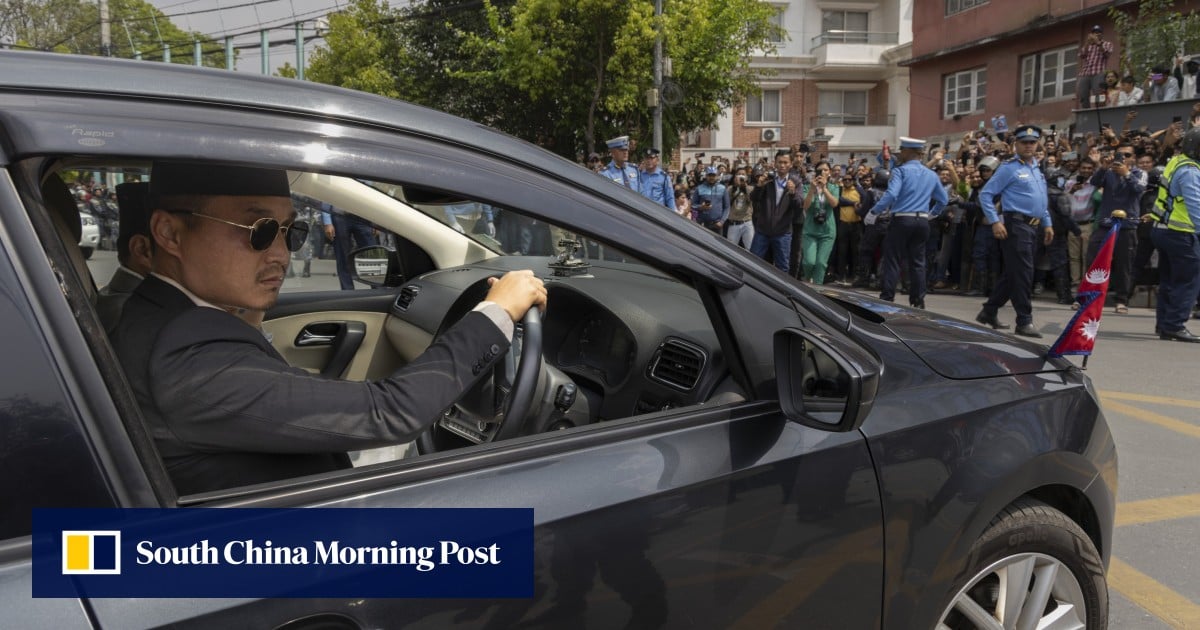
Nepal’s home minister Sudan Gurung has resigned from his position amid growing scrutiny over his personal finances, less than a month after taking office. The 38-year-old announced his decision on social media on Wednesday, stating he stepped down to allow for a “fair investigation” into allegations surrounding his financial dealings.
Gurung’s resignation comes despite his recent appointment to the cabinet and his prominent role in the Gen-Z-led protests last September that contributed to the overthrow of Nepal’s previous government. He had campaigned on an anti-corruption platform, making the timing of his departure particularly notable given the immediate focus on his own financial conduct.
In his statement, Gurung emphasized that personal integrity outweighed political office, writing, “For me, morality is greater than a position.” He confirmed that his resignation was effective immediately and urged authorities to conduct a thorough and impartial review of the concerns raised about his finances.
The development adds to ongoing political volatility in Nepal, where recent months have seen significant public pressure on government officials to uphold ethical standards. Gurung, a rising figure in Nepal’s younger political generation, had been viewed as a symbol of reform following the protest movement that reshaped the country’s political landscape.
Background on Sudan Gurung’s Political Rise
Sudan Gurung first gained national prominence during the September 2025 protests that demanded accountability and systemic change in Nepal’s governance. As a key mobilizer among youth demonstrators, he became associated with calls for transparency and an end to entrenched corruption, which ultimately contributed to the resignation of the prior administration.
His appointment as home minister was seen by many as a reflection of the new government’s commitment to including younger voices in leadership roles. The home ministry oversees critical internal affairs, including police operations and national security, making it one of the more prominent portfolios in the Nepali cabinet.
However, shortly after assuming office, questions began to emerge regarding Gurung’s personal financial disclosures and asset declarations. Although the specific nature of the allegations has not been officially detailed in verified public reports, multiple news outlets have cited growing concerns among political observers and civil society groups about potential inconsistencies in his financial statements.
According to reports from the South China Morning Post and Bangladesh Sangbad Sangstha (BSS), Gurung acknowledged the mounting scrutiny in his resignation message, stating that stepping aside was necessary to prevent any perception of interference in the investigative process.
Context of Financial Scrutiny in Nepali Politics
Gurung’s resignation reflects a broader pattern in Nepali politics where financial transparency has become a focal point of public distrust. In recent years, several high-profile officials have faced investigations related to undeclared assets, questionable business interests, or failure to comply with mandatory disclosure requirements under the Commission for the Investigation of Abuse of Authority (CIAA).

The CIAA, Nepal’s primary anti-corruption body, has increased its scrutiny of public officials’ financial declarations since 2023, particularly targeting those who assume office on reform platforms. While no formal charges have been announced against Gurung at this time, his voluntary resignation suggests he wishes to avoid any appearance of obstructing potential inquiries.
Legal experts note that under Nepali law, ministers are required to submit detailed asset statements upon appointment and annually thereafter. Discrepancies or omissions in these filings can trigger administrative reviews or, in more serious cases, criminal referrals to specialized courts. However, without an official statement from the CIAA or prosecutorial authorities, the exact status of any inquiry into Gurung’s finances remains unverified through official channels.
Implications for Nepal’s Government Stability
The departure of a minister so soon after appointment poses challenges for governmental continuity, particularly in a coalition administration navigating complex policy agendas. The home ministry’s responsibilities include oversight of law enforcement and crisis response, meaning any leadership gap could affect operational coordination during the transition period.
Political analysts suggest that Gurung’s exit may prompt renewed debate about the vetting process for ministerial appointments, especially when candidates rise rapidly through protest movements rather than traditional party structures. While his anti-corruption stance resonated with many voters, the rapid emergence of financial questions has led some commentators to call for stronger pre-appointment scrutiny of candidates’ financial histories.
For the ruling coalition, replacing Gurung quickly will be important to maintain momentum on key policy initiatives and to signal continued commitment to ethical governance. The selection of his successor may also serve as an early indicator of whether the government prioritizes experience, loyalty, or continued representation of youth-oriented politics in filling the vacancy.
Public Reaction and Next Steps
Initial reactions to Gurung’s resignation have been mixed on social media, with some expressing disappointment that a figure associated with reform ideals is now under scrutiny, while others praised his decision to step aside as a principled move that upholds accountability.

Civil society groups have reiterated calls for a transparent and timely investigation into the allegations, emphasizing that public confidence in government depends not only on investigations being conducted but also on them being seen as fair and thorough. Transparency International Nepal has previously urged stronger enforcement of asset declaration laws and greater public access to officials’ financial information.
As of now, no official date has been set for when any investigative body might release findings or conclusions regarding Gurung’s financial disclosures. The CIAA typically does not announce timelines for preliminary reviews, and any formal proceedings would depend on the outcome of initial assessments.
For updates on this developing story, readers are encouraged to follow official communications from the Commission for the Investigation of Abuse of Authority and the Office of the Prime Minister of Nepal. World Today Journal will continue to monitor verified sources for any official statements or developments in the case.
What are your thoughts on the balance between rapid political renewal and the need for thorough vetting of public officials? Share your perspective in the comments below, and aid spread informed discussion by sharing this article with others interested in South Asian governance and accountability.
Nepal’s home minister Sudan Gurung has resigned from his position amid growing scrutiny over his personal finances, less than a month after taking office. The 38-year-old announced his decision on social media on Wednesday, stating he stepped down to allow for a “fair investigation” into allegations surrounding his financial dealings.
Gurung’s resignation comes despite his recent appointment to the cabinet and his prominent role in the Gen-Z-led protests last September that contributed to the overthrow of Nepal’s previous government. He had campaigned on an anti-corruption platform, making the timing of his departure particularly notable given the immediate focus on his own financial conduct.
In his statement, Gurung emphasized that personal integrity outweighed political office, writing, “For me, morality is greater than a position.” He confirmed that his resignation was effective immediately and urged authorities to conduct a thorough and impartial review of the concerns raised about his finances.
The development adds to ongoing political volatility in Nepal, where recent months have seen significant public pressure on government officials to uphold ethical standards. Gurung, a rising figure in Nepal’s younger political generation, had been viewed as a symbol of reform following the protest movement that reshaped the country’s political landscape.
Background on Sudan Gurung’s Political Rise
Sudan Gurung first gained national prominence during the September 2025 protests that demanded accountability and systemic change in Nepal’s governance. As a key mobilizer among youth demonstrators, he became associated with calls for transparency and an end to entrenched corruption, which ultimately contributed to the resignation of the prior administration.
His appointment as home minister was seen by many as a reflection of the new government’s commitment to including younger voices in leadership roles. The home ministry oversees critical internal affairs, including police operations and national security, making it one of the more prominent portfolios in the Nepali cabinet.
However, shortly after assuming office, questions began to emerge regarding Gurung’s personal financial disclosures and asset declarations. While the specific nature of the allegations has not been officially detailed in verified public reports, multiple news outlets have cited growing concerns among political observers and civil society groups about potential inconsistencies in his financial statements.
According to reports from the South China Morning Post and Bangladesh Sangbad Sangstha (BSS), Gurung acknowledged the mounting scrutiny in his resignation message, stating that stepping aside was necessary to prevent any perception of interference in the investigative process.
Context of Financial Scrutiny in Nepali Politics
Gurung’s resignation reflects a broader pattern in Nepali politics where financial transparency has become a focal point of public distrust. In recent years, several high-profile officials have faced investigations related to undeclared assets, questionable business interests, or failure to comply with mandatory disclosure requirements under the Commission for the Investigation of Abuse of Authority (CIAA).
The CIAA, Nepal’s primary anti-corruption body, has increased its scrutiny of public officials’ financial declarations since 2023, particularly targeting those who assume office on reform platforms. While no formal charges have been announced against Gurung at this time, his voluntary resignation suggests he wishes to avoid any appearance of obstructing potential inquiries.
Legal experts note that under Nepali law, ministers are required to submit detailed asset statements upon appointment and annually thereafter. Discrepancies or omissions in these filings can trigger administrative reviews or, in more serious cases, criminal referrals to specialized courts. However, without an official statement from the CIAA or prosecutorial authorities, the exact status of any inquiry into Gurung’s finances remains unverified through official channels.
Implications for Nepal’s Government Stability
The departure of a minister so soon after appointment poses challenges for governmental continuity, particularly in a coalition administration navigating complex policy agendas. The home ministry’s responsibilities include oversight of law enforcement and crisis response, meaning any leadership gap could affect operational coordination during the transition period.
Political analysts suggest that Gurung’s exit may prompt renewed debate about the vetting process for ministerial appointments, especially when candidates rise rapidly through protest movements rather than traditional party structures. While his anti-corruption stance resonated with many voters, the rapid emergence of financial questions has led some commentators to call for stronger pre-appointment scrutiny of candidates’ financial histories.
For the ruling coalition, replacing Gurung quickly will be important to maintain momentum on key policy initiatives and to signal continued commitment to ethical governance. The selection of his successor may also serve as an early indicator of whether the government prioritizes experience, loyalty, or continued representation of youth-oriented politics in filling the vacancy.
Public Reaction and Next Steps
Initial reactions to Gurung’s resignation have been mixed on social media, with some expressing disappointment that a figure associated with reform ideals is now under scrutiny, while others praised his decision to step aside as a principled move that upholds accountability.
Civil society groups have reiterated calls for a transparent and timely investigation into the allegations, emphasizing that public confidence in government depends not only on investigations being conducted but also on them being seen as fair and thorough. Transparency International Nepal has previously urged stronger enforcement of asset declaration laws and greater public access to officials’ financial information.
As of now, no official date has been set for when any investigative body might release findings or conclusions regarding Gurung’s financial disclosures. The CIAA typically does not announce timelines for preliminary reviews, and any formal proceedings would depend on the outcome of initial assessments.
For updates on this developing story, readers are encouraged to follow official communications from the Commission for the Investigation of Abuse of Authority and the Office of the Prime Minister of Nepal. World Today Journal will continue to monitor verified sources for any official statements or developments in the case.
What are your thoughts on the balance between rapid political renewal and the need for thorough vetting of public officials? Share your perspective in the comments below, and help spread informed discussion by sharing this article with others interested in South Asian governance and accountability.