Tensions Remain High as Conflict in Iran Continues, Despite Claims of Imminent End
The conflict in Iran continues to escalate, marked by increasingly assertive rhetoric from both Israeli and Iranian officials, and diverging assessments of its trajectory. While Israeli Prime Minister Benjamin Netanyahu has stated that Israel is “breaking the bones” of its adversaries and will continue its operations, U.S. President Donald Trump has suggested the war is “practically finished.” These conflicting statements, coupled with reports of significant casualties and a hardening of positions, underscore the complex and volatile nature of the situation. The international community remains deeply concerned about the potential for wider regional instability and the humanitarian consequences of the ongoing hostilities.
The current phase of the conflict, which began on February 28th, has seen a concerted offensive by Israel and the United States against Iranian targets. Israel has explicitly stated its objectives include dismantling the Iranian regime, and hindering its development of ballistic and nuclear capabilities. The conflict has already resulted in a significant loss of life, with both sides reporting substantial casualties. Amidst the military actions, information warfare is also playing a key role, as evidenced by the spread of disinformation, such as the false reports of Benjamin Netanyahu’s death propagated by Iranian media, as reported by The Jerusalem Post.
Netanyahu Insists Operations Will Continue
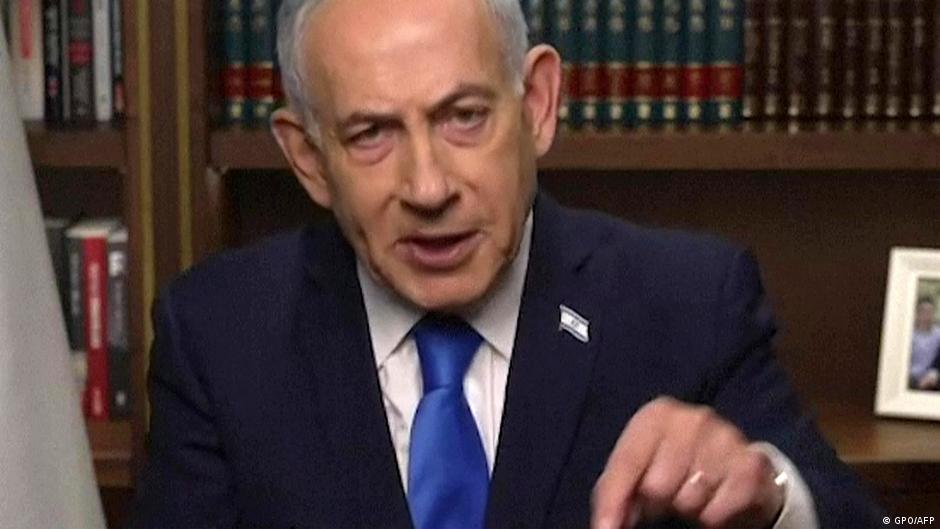
Benjamin Netanyahu has maintained a firm stance, indicating that Israel’s military operations will not cease until its objectives are met. “Our aspiration is that the Iranian people will liberate themselves from the yoke of tyranny; it depends on them. But there is no doubt that, with the measures taken so far, we are breaking their bones and we are not finished yet,” Netanyahu declared, according to a statement released on Tuesday. He further asserted that Israel is achieving a “serious change in the status of Israel” in the region. This statement signals a continued commitment to a robust military campaign, despite international calls for de-escalation.
Trump Claims War is “Practically Finished”
In contrast to Netanyahu’s assessment, Donald Trump, a key ally of Israel, stated on Monday, March 9, 2026, that the war is “practically finished,” citing the significant reduction in the strength of Iranian forces due to the ongoing offensive. This claim, made during an interview with CBS, suggests a belief that the military objectives of the campaign have largely been achieved. However, this assessment has been met with strong opposition from Iran.
Iranian Response: Missile Capabilities Strengthened
The Islamic Revolutionary Guard Corps (IRGC) swiftly responded to Trump’s statement, asserting that its missile capabilities are now “more powerful than at the beginning of the war.” The IRGC further warned that it possesses the capacity to “expand” the conflict and insisted that it, not external actors, will determine the “end of the war.” This defiant response underscores Iran’s determination to resist external pressure and maintain its strategic autonomy. The IRGC’s statement highlights the potential for further escalation if its demands are not met.
Casualty Reports and Humanitarian Concerns
The human cost of the conflict is mounting. The Israeli military, through spokesperson Effie Defrin, claims that joint operations with the U.S. Have resulted in the deaths of 1,900 Iranian soldiers, and commanders. However, these figures have not been independently verified. Meanwhile, the U.S.-based NGO HRANA reports that over 1,100 civilians have been killed since the escalation began on February 28th. These figures, while differing, paint a grim picture of the civilian impact of the conflict. The lack of independent verification and access to conflict zones makes it difficult to ascertain the true extent of the casualties.
The reported civilian death toll raises serious humanitarian concerns. Access to essential services, such as healthcare and food, is likely severely disrupted in conflict zones. International organizations are calling for safe and unimpeded humanitarian access to provide assistance to those affected by the fighting. The long-term consequences of the conflict, including displacement and psychological trauma, are also a major concern.
Allegations of Leadership Changes in Iran
Reports have emerged suggesting that the initial wave of bombings resulted in the death of Iran’s Supreme Leader, Ali Khamenei, who has since been replaced by his son, Mojtaba. However, this claim remains unconfirmed. Official Iranian sources have not acknowledged Khamenei’s death, and independent verification is lacking. The lack of transparency surrounding leadership changes in Iran adds to the uncertainty surrounding the conflict.
Control of Iranian Airspace
Adding to the escalating tensions, Benjamin Netanyahu recently claimed that Israel is “almost” achieving total control of Iranian airspace. This assertion, reported by The Jerusalem Post, suggests a significant advancement in Israel’s military capabilities and a potential shift in the balance of power in the region. However, the extent of Israel’s control over Iranian airspace remains unclear and has not been independently confirmed. Such a development, if true, would have significant implications for the future conduct of the conflict and the broader regional security landscape.
The situation remains highly fluid and unpredictable. The conflicting assessments of the war’s status, the escalating rhetoric, and the mounting casualties all point to a continued period of instability. The international community faces a critical challenge in preventing further escalation and mitigating the humanitarian consequences of the conflict. The coming days and weeks will be crucial in determining the future trajectory of the conflict and its impact on regional and global security.
The next key development to watch will be the United Nations Security Council’s scheduled meeting on March 15, 2026, to discuss the situation in Iran. This meeting will provide a platform for international dialogue and potential efforts to de-escalate the conflict. We encourage readers to share their thoughts and perspectives on this critical issue in the comments below.
Keep reading