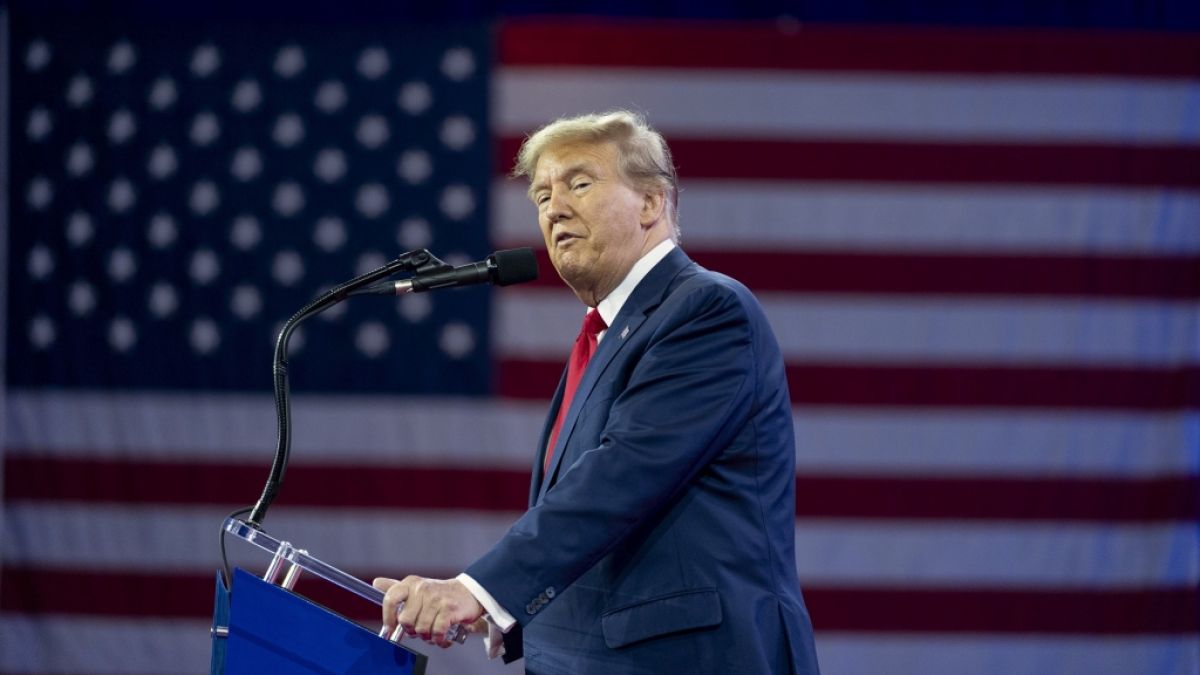
Israeli Prime Minister Benjamin Netanyahu is traveling to Washington, D.C., for a high-stakes meeting with Donald Trump, marking a significant moment in U.S.-Israel diplomatic relations following a period of publicly aired disagreements between the two leaders. According to international news reports, the visit comes as both figures navigate a complex geopolitical landscape in the Middle East, with allied officials closely monitoring the discussions for shifts in regional strategy.
The upcoming diplomatic engagement follows weeks of visible friction over post-conflict governance and regional security strategies. Political analysts note that the talks in Washington offer an opportunity for both leaders to recalibrate their public alignment, particularly regarding ongoing military operations and humanitarian aid distribution in Gaza.
Diplomatic channels have been active in preparing for the summit, which brings together two figures whose historic political partnership has frequently reshaped American foreign policy in the Middle East. While neither the White House nor representatives for Netanyahu have released an exhaustive agenda, regional security, defense cooperation, and broader normalization agreements remain central themes of the expected discussions.
Background on Recent Diplomatic Friction
Publicly aired disagreements between Donald Trump and Benjamin Netanyahu have occasionally strained a decades-long political relationship. During past public statements, Trump has expressed divergent views on the timing and execution of military campaigns, pointing to the public relations challenges facing the Israeli government on the global stage.
Despite these occasional public rifts, both leaders share a history of close policy coordination, most notably during Trump’s first presidential term, which saw the relocation of the U.S. Embassy to Jerusalem and the brokering of the Abraham Accords. Observers suggest that the Washington meeting is designed to bridge current tactical gaps and project a unified stance on shared strategic threats, particularly regarding Iran and its regional proxies.
International news organizations, including Reuters, have highlighted that the talks will likely address the framework for long-term stability in Gaza and the West Bank, areas where Washington and Jerusalem have occasionally disagreed on post-war administration.
Implications for Regional Security and Middle East Policy
The outcome of the Washington summit carries significant weight for ongoing diplomatic initiatives across the Middle East. Regional partners, including neighboring Arab states involved in normalization frameworks, are watching the discussions to gauge the future trajectory of U.S. backing for Israeli defense policies.
Defense analysts emphasize that any shift in posture resulting from the meeting could influence military supply timelines and intelligence-sharing protocols. Furthermore, the talks are expected to touch upon humanitarian concerns, a focal point for international organizations and European allies urging expanded aid access.
As preparations for the visit finalize, official updates regarding the precise schedule and press briefings are expected to be released through diplomatic channels in both capitals. Observers anticipate further statements from the participants once the closed-door discussions conclude.
We welcome your perspective on this developing story. Please share your thoughts and join the discussion in the comments below.
Keep reading